
10 Tips for Buying Magnesium Oxide Powder?
Buying Magnesium Oxide Powder can look simple until specifications, testing, and supplier claims begin to differ. A white powder may appear identical in two bags, yet its purity, particle size, reactivity, and moisture content can vary considerably. These differences affect storage stability, processing behavior, and final product performance. The right purchase starts with a clear understanding of your application, required grade, and acceptable quality range.
This guide presents ten practical tips for evaluating Magnesium Oxide Powder with greater confidence. It considers chemical composition, assay methods, particle distribution, packaging, certificates of analysis, and batch consistency. Supplier experience also matters, especially when documentation is incomplete or technical answers remain vague. Ask for recent test results, not only a polished product brochure. Verify important data through independent testing when the material is critical to production. It costs more, sometimes.
Real purchasing decisions also involve lead times, minimum order quantities, transport conditions, and regulatory requirements in your market. A supplier may offer an attractive price but provide weak traceability or inconsistent packaging. That bargain can become expensive after rejected batches, clogged equipment, or delayed deliveries. No checklist removes every risk. However, careful questions and documented comparisons can expose problems before payment. The following tips are designed to support a more reliable, evidence-based buying decision.
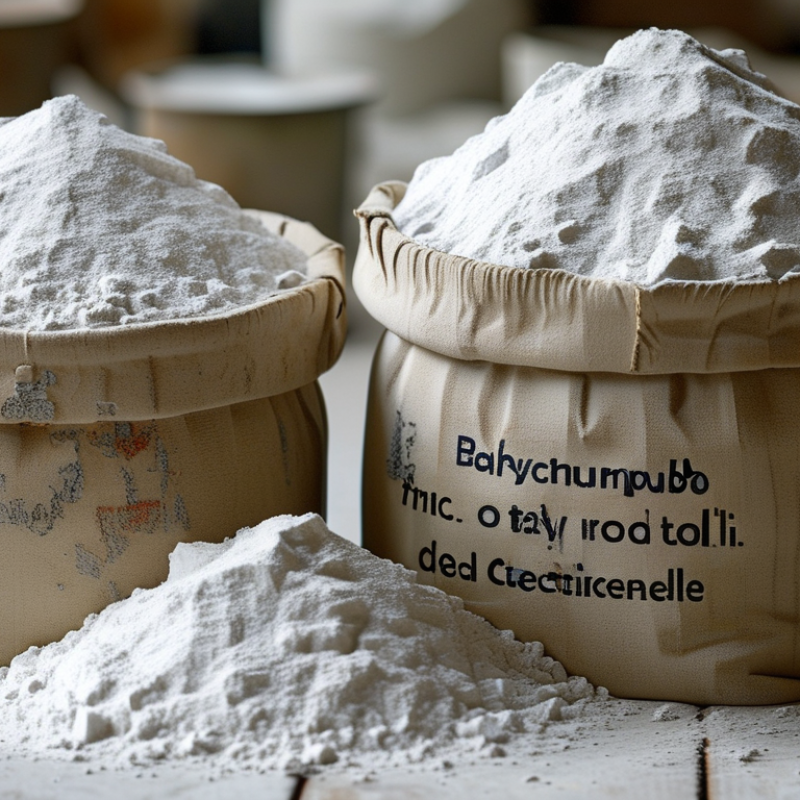
Understand Magnesium Oxide Types, Grades, and Common Applications
10 Tips for Buying Magnesium Oxide Powder
Magnesium oxide is not one uniform product. Check its source and processing route. Caustic-calcined magnesia offers higher reactivity, while dead-burned magnesia supports refractory linings. Fused magnesia provides very high purity and thermal stability. Tip one: match the type to the application. Tips two and three: confirm the grade and required MgO assay. Feed, technical, agricultural, and pharmaceutical grades have different specifications. Never treat a high assay as proof of suitability. Particle size matters. Fine powder reacts faster, while coarse material may improve handling. Ask for sieve data and bulk density.
The USGS Mineral Commodity Summaries 2024 estimated global magnesite mine production at about 27 million metric tons in 2023. China supplied roughly 19 million tons. This concentration makes origin, continuity, and traceability important purchasing checks. Tip four: request a recent certificate of analysis. Tip five: compare loss on ignition, calcium, silica, iron, and heavy-metal limits. Tip six: verify moisture and packaging integrity. A torn bag can ruin otherwise acceptable powder.
Applications should guide the final decision. Water-treatment users often need predictable reactivity and particle size. Agriculture buyers may prioritize neutralizing value and approved contaminants. Refractory producers usually focus on purity, density, and thermal performance. Tip seven: request a sample. Tip eight: test it in your process. Tip nine: review batch consistency. Tip ten: confirm storage life and transport conditions. I have seen purchasing decisions focus too heavily on price. That is understandable, but incomplete. A cheaper powder may create slower reactions, more dust, or costly formulation changes. Controls should be practical, documented, and independently checked.
Check Purity, Chemical Composition, and Physical Properties
10 Tips for Buying Magnesium Oxide Powder?
Purity is more than a large percentage printed on a product sheet. Check the MgO assay, loss on ignition, moisture, and insoluble residue. Ask for a recent certificate of analysis linked to the exact production lot. It should list calcium, iron, silicon, chloride, and heavy metals when relevant. Do not accept vague phrases such as “high purity.” Request the testing method and specification limits. An independent laboratory report can confirm questionable results.
Chemical composition affects performance in real applications. Reactive magnesium oxide may behave differently from a lightly calcined grade. Review the calcination process, magnesium source, and expected reactivity. A low iron level may matter for light-colored formulations. Food, pharmaceutical, agricultural, and industrial uses also require different impurity controls. Check applicable local standards before placing an order.
Physical properties deserve equal attention. Compare particle-size distribution, bulk density, specific surface area, moisture, color, and flowability. A fine powder may improve reaction speed but create dust and handling problems. Open a representative sample and look for hard lumps, uneven color, or poor flow. Sieve testing can reveal oversize particles. I once underestimated moisture during storage, and the powder became difficult to feed. That mistake was preventable. Packaging, inner liners, batch traceability, and storage conditions should appear in the supplier’s documentation. Small details matter.
Compare Particle Size, Packaging, Pricing, and Supplier Reliability
When buying magnesium oxide powder, particle size deserves more attention than a low quoted price. Ask for the D50, D90, sieve residue, and test method. A powder with a 20-micron D50 may behave very differently from one with a 100-micron D50. Check bulk density, purity, ignition loss, and reactivity beside the size data.
Tip 1: Request a recent certificate of analysis and a retained sample.
Tip 2: Test the sample in your actual mixing process. Laboratory claims can look excellent, yet production flow may disappoint.
Packaging affects moisture exposure, handling, and hidden costs. Use sealed inner liners and strong outer bags for routine shipments. Pallets should resist crushing during humid transport. The USGS Mineral Commodity Summaries 2024 identifies magnesium compounds as materials with concentrated regional supply. UN Comtrade trade data also shows meaningful differences among exporting countries and shipment routes. These reports support a practical warning: freight distance and port disruption can change the delivered cost quickly.
Tip 3: Compare delivered pricing, not only the price per metric ton. Include packaging, insurance, duties, testing, storage, and possible rebagging.
Supplier reliability needs measurable evidence. Request production capacity, lead time history, batch traceability, complaint response time, and backup inventory. Review at least three recent certificates, not one perfect document.
Tip 4: Add a small trial order before signing a larger contract.
Tip 5: Confirm whether quoted particle size is guaranteed or merely typical.
I have seen buyers overvalue a discount. That mistake can cost more than the powder. Prices also move with energy, mineral inputs, freight, and exchange rates, so a fixed quote may need a clear validity period.
Verify Safety Standards, Certifications, Testing, and Documentation
10 Tips for Buying Magnesium Oxide Powder
Safety should guide every magnesium oxide powder purchase. Ask for the current safety data sheet before discussing price. It should describe hazards, handling, storage, personal protection, and emergency measures clearly. Check whether the supplier follows recognized quality and safety systems. Do not accept a certificate without verifying its issuer, validity period, and product scope. A facility certificate may not cover the specific powder you plan to buy.
Testing documents deserve close attention. Request a recent certificate of analysis for the exact production lot. Compare stated purity, magnesium oxide content, moisture, particle size, and limits for heavy metals. Testing methods should be identified, not hidden behind vague terms such as “standard quality.” Independent laboratory results add confidence, especially for critical applications. Still, laboratory papers can contain errors. Review sample dates, batch numbers, signatures, and unusual data patterns.
Traceability often separates a dependable supplier from a risky one. The container should match the lot number shown on the documentation. Confirm packaging condition, seal integrity, storage requirements, and retest procedures. Ask how complaints, recalls, and nonconforming material are handled. I have seen buyers focus heavily on purity while overlooking dust control and transport damage. That is an easy mistake. Keep written records of approvals, test results, and supplier responses. A clear audit trail supports safer decisions when questions appear months later.
Evaluate Storage Conditions, Delivery Terms, and Long-Term Supply Needs
Tip: Check the powder’s storage conditions before comparing prices. Magnesium oxide should remain dry, sealed, and protected from damp air. Moisture is the enemy. Ask where the material was stored, how long, and whether pallets kept bags off the floor. Inspect packaging for caking, torn seams, or faded labels. Lot numbers and production dates support traceability. In practice, buyers sometimes overlook warehouse humidity. That mistake can affect handling and consistency.
Tip: Read delivery terms like a warehouse manager, not only a purchaser. Confirm the agreed delivery point, unloading responsibility, insurance coverage, and rules for damaged bags. Request the certificate of analysis before shipment when possible. Check whether partial deliveries are acceptable. A late delivery can stop production. Build a clear process for recording temperature, moisture exposure, and visible damage upon arrival. Small details matter.
Tip: Consider your long-term supply needs before signing a fixed arrangement. Review monthly consumption, seasonal changes, minimum order quantities, and realistic lead times. A modest safety stock may protect operations, but excessive inventory can absorb cash and deteriorate if storage is poor. Ask whether future lots can meet the same specifications. Keep retained samples for comparison. Recheck the plan every quarter. Forecasts are imperfect, and mine would be wrong without current production data. Flexible terms may serve better than the lowest initial price.