2026 Best Eco Friendly Plastic Options for Sustainable Living?
In our quest for sustainable living, the rise of eco friendly plastic has sparked discussions about its role in reducing waste. This has drawn attention to various alternatives available today. Many individuals seek materials that not only serve their practical needs but also align with their environmental values.
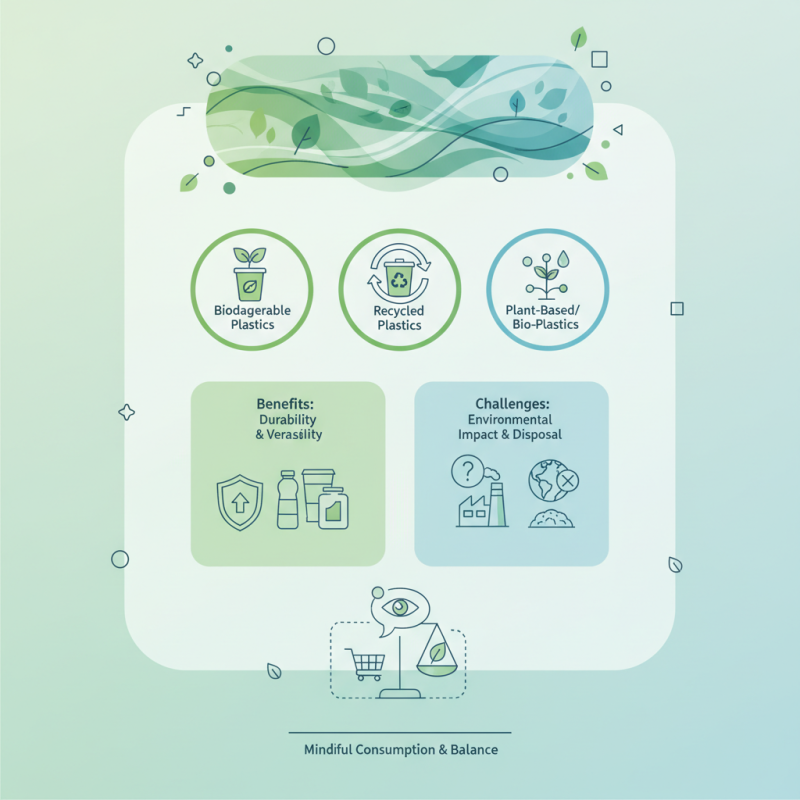
Eco friendly plastic options vary widely, from biodegradable items to those made from recycled materials. However, the benefits of these options are often overshadowed by questions of durability and actual environmental impact. It’s essential to critically evaluate how these products are made and where they end up after use.
We must acknowledge that embracing eco friendly plastic is not a perfect solution. The challenge lies in balancing convenience and sustainability. Each choice we make impacts our planet. By exploring these alternatives, we can better understand their potential and limitations, inspiring more mindful consumption habits.
Exploring the Necessity of Eco-Friendly Plastics in Modern Society
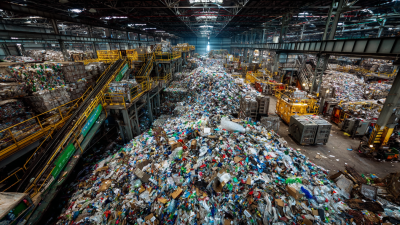
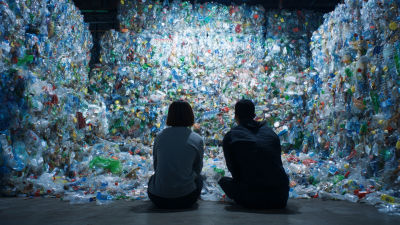
The necessity of eco-friendly plastics in modern society cannot be overstated. Every day, millions of plastic items are produced and discarded. Beaches are littered with plastic debris, harming marine life. This sobering reality prompts the exploration of sustainable alternatives. Eco-friendly plastics can help reduce the environmental footprint of traditional plastics.
These new materials often come from renewable resources. They break down more easily in the environment. However, their production can still involve challenges. For instance, not all biodegradable plastics decompose effectively in various conditions. Some may need industrial composting facilities, which are not widely available.
In addition, eco-friendly plastics come with a higher price tag. This can discourage businesses from making the switch. Not every consumer can afford to pay more for sustainable options. This raises questions about accessibility and equity. As we consider eco-friendly plastics, reflection is necessary. Are we truly committed to sustainability, or is it just a trend? The path forward requires honesty and innovation in our pursuit of sustainable living.
Types of Biodegradable Plastics and Their Environmental Benefits
Biodegradable plastics are emerging as key players in sustainable living. They differ from traditional plastics. These materials break down naturally over time, significantly reducing landfill waste. They are made from renewable resources, which helps minimize environmental impact.
Starch-based plastics, for example, are one type of biodegradable plastic. They are often made from corn or potato starch. Their production uses less energy compared to conventional plastic. However, it’s important to remember that not all starch-based products degrade equally. Environmental conditions play a role in the decomposition process.
Tips: Look for certification labels on products. They indicate if the plastic is truly biodegradable. Compostable plastics can be a better choice for home composting. Be cautious with disposal methods, as landfill conditions can hinder the biodegradation process.
Another notable type is polylactic acid (PLA) plastic. It is made from fermented plant starch, mainly corn. PLA is popular in packaging and single-use items. Yet, while PLA breaks down, it requires specific composting conditions. It may not decompose in typical landfill settings.
Consider your habits. Choosing biodegradable options can feel overwhelming. Sometimes, the available products do not meet our needs. Reflect on the overall impact of your consumption choices. It’s crucial to remain informed and proactive in making eco-friendly decisions.
Comparative Analysis of Recycled vs. Biodegradable Plastics
The plastic we use impacts our environment significantly. Recycled plastics come from existing plastic waste. They reduce landfill accumulation. However, the recycling process often requires energy and can be inefficient. Not all plastics are recyclable, which complicates waste management efforts.
Biodegradable plastics offer a different solution. They break down more quickly in the environment. This can ease pollution problems. Yet, many biodegradable options still need specific conditions to degrade. They may end up in landfills, where they fail to break down efficiently.
Both options have pros and cons. Recycled plastics lessen reliance on new raw materials but can still cause harm. Biodegradable plastics promise better decomposition but aren't silver bullets. We must rethink our plastic consumption and seek alternatives. Striking a balance is essential for true sustainability.
Innovative Eco-Friendly Plastic Alternatives for Everyday Use
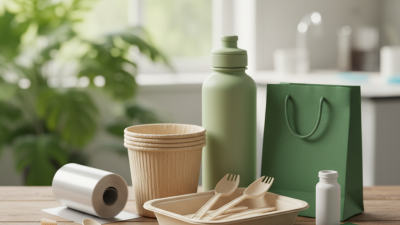
Innovative eco-friendly plastic alternatives are transforming everyday living. Bioplastics, made from natural materials, offer a promising solution. These options can be derived from plants like corn or sugarcane. They gradually break down, reducing waste in landfills. Their production often generates less carbon footprint, making them a greener choice.
Compostable packaging represents another exciting alternative. Unlike traditional plastics, these materials can decompose with organic waste. It's fascinating yet frustrating to see how many still end up in the wrong bin. Many people are unaware of their correct disposal methods. Education plays a crucial role here; it’s key for sustainability.
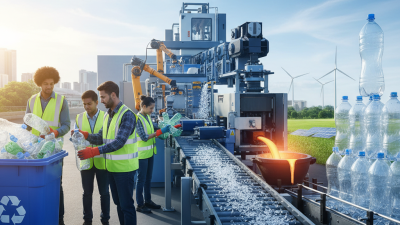
Recycled plastics also pave the way for a more sustainable future. They can be repurposed into new products, minimizing the need for virgin materials. However, the process can be energy-intensive and not all plastics are recyclable. Recognizing these limitations is essential. Consumers can support local recycling initiatives to make a real impact. Choosing eco-friendly plastic alternatives is just the beginning; collective action is needed for lasting change.
2026 Best Eco Friendly Plastic Options for Sustainable Living
| Material |
Type |
Applications |
Biodegradability |
Recyclability |
| PLA (Polylactic Acid) |
Bioplastic |
Food packaging, disposable cutlery |
Yes |
Yes (industrial composting) |
| PHA (Polyhydroxyalkanoates) |
Biopolymer |
Packaging films, medical devices |
Yes |
Yes |
| Bio-based PET |
Recycled plastic |
Bottles, containers |
No |
Yes |
| Cornstarch-based Plastics |
Biodegradable plastic |
Food packaging, bags |
Yes |
Limited |
| Recycled HDPE |
Recyclable plastic |
Containers, piping |
No |
Yes |
Best Practices for Incorporating Sustainable Plastics into Daily Life
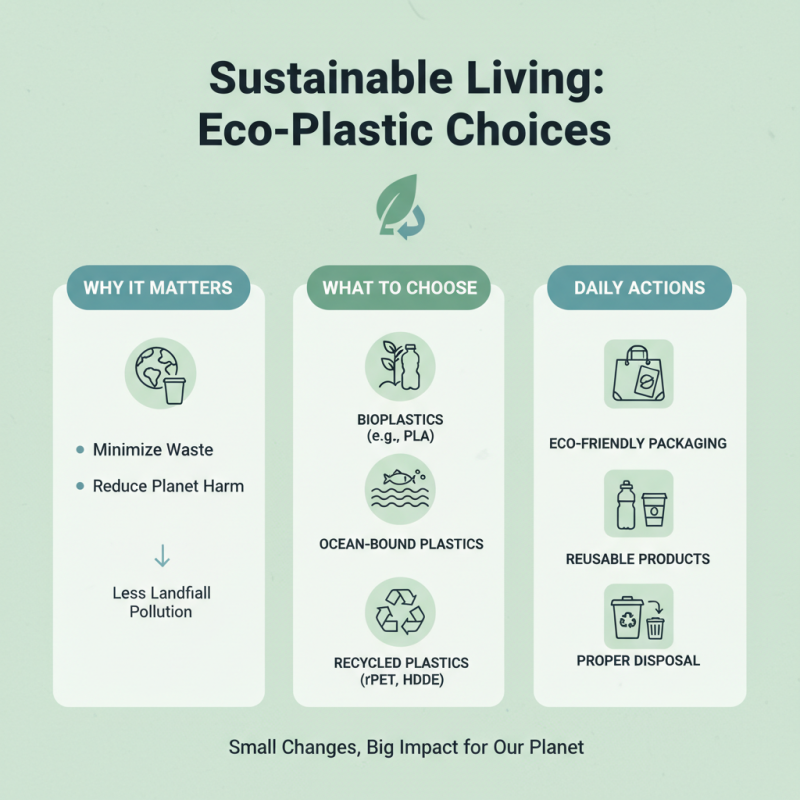
Sustainable living includes making conscious choices about plastic. Choosing eco-friendly plastic can minimize waste and reduce harm to our planet. There are several ways to incorporate sustainable plastics into daily life.
One effective tip is to opt for reusable bags. These bags are often made from recycled materials and can significantly reduce single-use plastic waste. Keep a few in your car or backpack. It’s a small change, but it adds up. Try to remember them every time you shop.
Another practice is selecting biodegradable options. These items break down faster than traditional plastics. Items like biodegradable utensils and containers are widely available. However, not all biodegradable plastics are created equal. Research their composting requirements before using them.
Finally, support local recycling efforts. Find out what can be recycled in your area. Many people toss items they think are recyclable, but they aren’t. Understanding local practices can help reduce contamination in recycling. It’s all about making informed choices. Small adjustments matter, even if they seem insignificant at first.