2026 Top Eco Friendly Plastic Trends You Need to Know?
As we move towards a more sustainable future, the demand for eco friendly plastic continues to rise. In 2026, innovations in this area are expected to reshape industries. Companies are exploring materials that reduce environmental impact. For instance, bioplastics made from corn or sugarcane are gaining attention.
However, the journey is not without challenges. Many eco friendly plastics are still in early development stages. Their scalability and cost-effectiveness need improvement. Also, consumer education is crucial. People often confuse biodegradable plastics with eco friendly options.
Understanding these trends can inspire actions both in businesses and daily life. We need to reflect on our plastic usage. The choices we make can lead to a greener planet. By embracing new materials, we take a step towards reducing waste. Together, we can create a more sustainable world.
Emerging Biodegradable Plastics: Reducing Environmental Impact in 2026
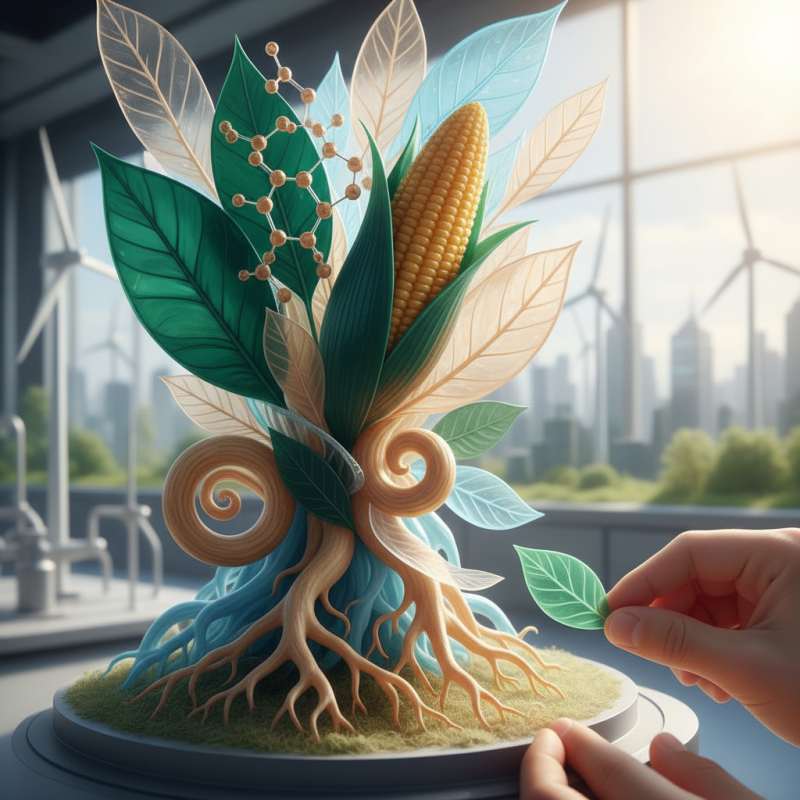
As we move towards 2026, biodegradable plastics are becoming essential. These materials break down more easily than traditional plastics. They promise a lesser environmental footprint. One example is plant-based plastics made from corn or sugarcane. They decompose in certain conditions, reducing landfill waste.
Tips: Always check for certifications. Not all biodegradable options are the same. Some may still require special facilities.
Emerging trends show that innovation is key. Biodegradable films and packaging are gaining traction. These new materials can substitute conventional plastic in many applications. However, challenges remain. Not every biodegradable plastic works efficiently in every environment. It’s important to understand local waste systems.
Tips: Educate yourself on proper disposal methods. Some biodegradable products do not break down without specific conditions.
Awareness is growing, but not fast enough. Changing consumer behavior is critical. People must prioritize eco-friendly choices. Small changes can lead to significant impacts on our planet’s health. Adjusting daily habits should be part of the change.
2026 Top Eco Friendly Plastic Trends You Need to Know
| Trend | Description | Environmental Impact | Expected Growth Rate |
|---|---|---|---|
| Biodegradable Plastics | Plastics that decompose through natural processes. | Reduces landfill waste and pollution. | 25% annually |
| Plant-Based Plastics | Plastics made from renewable resources like corn and sugarcane. | Lower carbon footprint compared to petroleum-based plastics. | 20% annually |
| Recycling Innovations | New methods to recycle complex plastics more efficiently. | Increases recycling rates and minimizes waste. | 30% annually |
| Compostable Plastics | Plastics designed to break down in compost conditions. | Supports organic waste management and soil health. | 15% annually |
| Ocean-Bound Plastics | Plastics reclaimed from areas near water bodies to prevent ocean pollution. | Helps protect marine life and ecosystems. | 18% annually |

Revolutionizing Recycling: Innovations in Circular Economy for Plastics
The circular economy for plastics is evolving rapidly. New technologies are emerging to enhance recycling processes. According to a recent report by the Global Plastic Action Partnership, only 9% of plastic waste is actually recycled. This statistic highlights the significant gaps in current waste management systems. It underscores the urgency for innovative solutions.
Innovative recycling technologies are reshaping how we approach plastic waste. For instance, chemical recycling can convert waste into high-quality raw materials. These materials can be reused multiple times, decreasing reliance on virgin plastics. A study from McKinsey & Company predicts that improved recycling methods could increase the recycling rate to 25% by 2030. Yet, systemic challenges remain.
Investing in education and infrastructure is vital. Communities need clear guidelines on recycling. Without proper education, contamination of recyclable materials occurs. A report from the World Economic Forum found that mismanaged plastic waste could reach 600 million tons annually by 2030. This grim prediction calls for urgent action and collaboration among stakeholders.
Plant-Based Plastics: Market Growth and Adoption Trends for 2026
As industries face growing pressure to reduce their carbon footprints, plant-based plastics are gaining traction. By 2026, the market for bioplastics is expected to reach $44 billion. This shift is driven by increased awareness of environmental issues. Companies are exploring alternative materials to traditional petroleum-based plastics.
The adoption of plant-based plastics is not without its challenges. While they may reduce greenhouse gas emissions, the production process can still be resource-intensive. A report indicates that bioplastics require significant agricultural land, raising concerns about food security. Furthermore, consumer acceptance varies greatly. Many people are still unaware of the benefits of plant-based alternatives.
Despite these hurdles, the progress in plant-based plastic technology is promising. Innovations continue to emerge, making these materials more viable and affordable. Future developments could address sustainability concerns, but realigning consumer expectations will be crucial. As organizations encourage more sustainable choices, education will play a key role in fostering acceptance.
Advancements in Compostable Plastics: Industry Standards and Regulations
The rise of compostable plastics is changing the landscape of sustainability. These materials are designed to break down in composting environments. The process typically takes a few months, depending on the conditions. However, they often require specific industrial composting facilities. Many consumers are unaware that just tossing them in a regular bin won’t lead to their breakdown.
Industry standards for compostable plastics are evolving. Organizations are working to establish clear regulations. This includes defining the criteria for compostability. The most common standard is ASTM D6400, which outlines the conditions required for a material to be considered compostable. Yet, not all products labeled as compostable meet these standards. It creates confusion for consumers and raises questions about product integrity.
Public awareness remains a challenge. Many individuals believe all plastics can decompose easily. Misconceptions lead to improper disposal methods. Furthermore, advancements in these materials are ongoing but inconsistent. While innovations are promising, some products still lack effective certification. As the industry grows, ongoing education is necessary to promote responsible choices. Understanding these nuances can empower consumers to make environmentally friendly decisions.
2026 Top Eco Friendly Plastic Trends: Compostable Plastics
Consumer Awareness and Demand: The Shift Towards Eco-Friendly Plastics
As consumer awareness grows, eco-friendly plastics are becoming more popular. People are now more concerned about the environmental impact of plastic waste. They seek alternatives that do not harm the planet. The increasing demand for sustainable options drives innovation in this industry.
Many consumers are educating themselves about the lifecycle of products. They want to know how these materials are made and disposed of. This shift in mindset is pushing companies to rethink their packaging. However, not all eco-friendly plastics are truly sustainable. Some claim to be biodegradable but may not break down as expected. There are varying standards, leading to confusion among buyers.
Despite the progress, challenges remain. It can be tough for consumers to distinguish between genuinely eco-friendly products and greenwashing. Many people still cling to traditional plastics out of habit or convenience. Addressing these issues requires ongoing education and transparency from manufacturers. It’s crucial for consumers to remain vigilant and informed in this evolving landscape. This journey towards sustainability is filled with both promise and complexity.
Related Posts
-
What is Eco Plastic Products and Why Are They Important?
-
2026 Best Eco Friendly Plastic Options for Sustainable Living?
-

2025 How to Choose Eco Friendly Plastic Alternatives for a Sustainable Future
-
Why You Should Buy Recycled Plastic for a Sustainable Future
-
10 Tips for Choosing Eco Friendly Plastic Alternatives in Everyday Life
-
What is Recycled Plastic Bottles and How Are They Made?