Best Recycled Materials for Sustainable Living Choices?
Living sustainably is more than a trend; it's a necessity. An effective way to embrace this lifestyle is through the use of recycled materials. These materials reduce waste and conserve resources, making them essential for eco-friendly choices. However, the journey to sustainable living with recycled materials is not always straightforward.
Choosing recycled materials can seem daunting. There are numerous options, each with unique benefits and drawbacks. For example, recycled plastics often compromise on durability. Additionally, not all recycled products are created equal. Some may not provide the same quality as their virgin counterparts. This complexity can lead to confusion.
Despite these challenges, using recycled materials can still lead to significant environmental benefits. A simple switch to recycled paper can save trees and reduce landfill waste. Yet, we must remain critical of our choices and the impact they create. Sustainable living demands continuous reflection and adjustment. Building a better future requires commitment and mindfulness in our decisions.

Types of Recycled Materials for Everyday Household Items
When it comes to sustainable living, recycled materials play a crucial role. Many everyday household items can be crafted from these materials. For example, furniture made from reclaimed wood adds both character and charm to a home. Items like lamp shades made from recycled paper can brighten up a room with creativity and style.
Another great option is using glass jars for storage. They are perfect for organizing kitchen staples or office supplies. Not only do they reduce waste, but they also offer a vintage aesthetic. Additionally, bamboo products, sourced sustainably, provide a biodegradable alternative for everyday utensils and straws.
While these choices are appealing, challenges remain. Sourcing and using recycled materials can sometimes feel overwhelming. Not every product labeled "recycled" meets sustainable standards, making it essential to research. Moreover, some recycled items may not be as durable, raising questions about their long-term functionality. It’s a constant balancing act of choosing what’s best for the planet and for everyday use.
Best Recycled Materials for Sustainable Living Choices
| Recycled Material |
Common Uses |
Environmental Benefits |
| Recycled Paper |
Notebooks, Cardboard, Packaging |
Reduces deforestation, Saves water |
| Recycled Glass |
Bottles, Jars, Windows |
Conserves raw materials, Lowers energy consumption |
| Recycled Plastic |
Containers, Bags, Furniture |
Reduces landfill waste, Lowers pollution |
| Recycled Metal |
Cans, Appliances, Construction Materials |
Saves energy, Reduces mining impacts |
| Recycled Textiles |
Clothing, Insulation, Upholstery |
Decreases waste, Conserves resources |
Advantages of Using Recycled Materials in Sustainable Living
Using recycled materials in sustainable living offers numerous advantages. They help reduce waste in landfills and lower the demand for virgin resources. For example, recycled paper can decrease the need for cutting down trees. This process also saves energy, which is crucial for a sustainable future. More people are realizing the importance of giving materials a second life.
Additionally, products made from recycled materials often require less water to produce. This is especially true for textiles. When using recycled fabric, we can avoid the harmful chemicals typically involved in new fabric production. However, it's essential to consider the origin of recycled materials. Not all recycled products are created equal. Some might still have environmental impacts that we need to address.
Incorporating recycled materials into daily life can inspire creativity. Repurposed items can be unique conversation starters. Yet, there may be challenges, like the quality of recycled products compared to new ones. At times, we might find ourselves compromising on durability. Exploring these materials encourages reflection on our consumption habits. Embracing recycled materials means we must also embrace the deeper changes in our lifestyles.
Innovative Uses of Recycled Materials in Construction
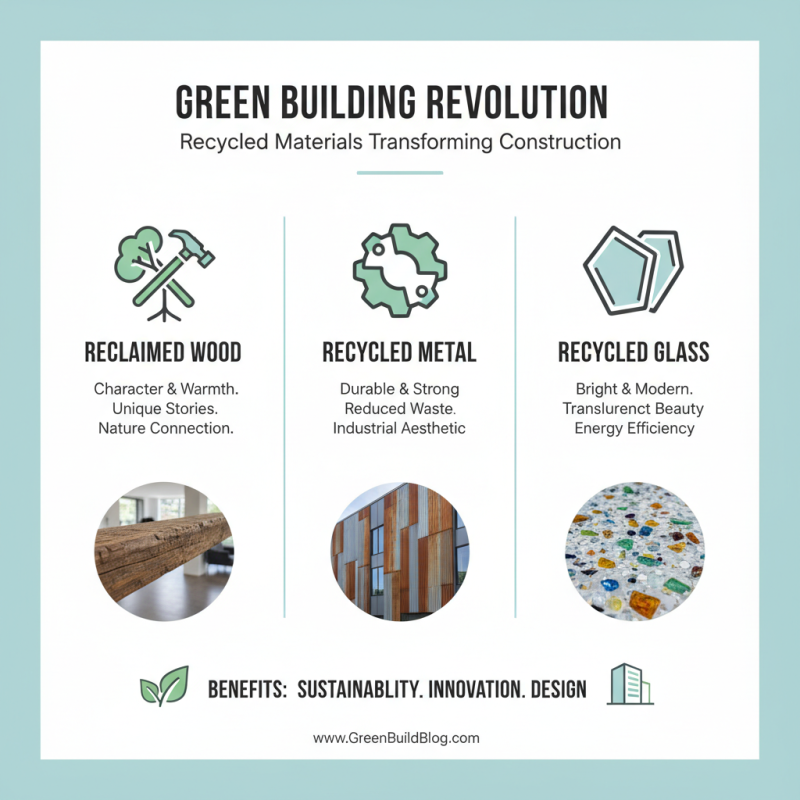
Recycled materials are revolutionizing the construction industry. Many buildings now incorporate materials like reclaimed wood, recycled metal, and glass. These materials not only reduce waste but also enhance aesthetic appeal. For instance, reclaimed wood adds character and warmth to any space. It tells a story and connects people with nature.
Innovative designs utilize recycled concrete for structural elements. This method not only strengthens buildings but also lowers production costs. However, sourcing and cleanliness can pose challenges. Some materials may not meet safety standards or building codes. Finding a balance between sustainability and compliance is crucial.
Incorporating recycled materials in architecture can lead to unique outcomes. For example, using old tires in insulation creates energy-efficient homes. This approach encourages creativity but may require additional research. Building with recycled content pushes boundaries, sparking new ideas. Yet, it prompts us to question how far we can go in reducing our environmental footprint.
How to Source Recycled Materials for Your Eco-Friendly Projects
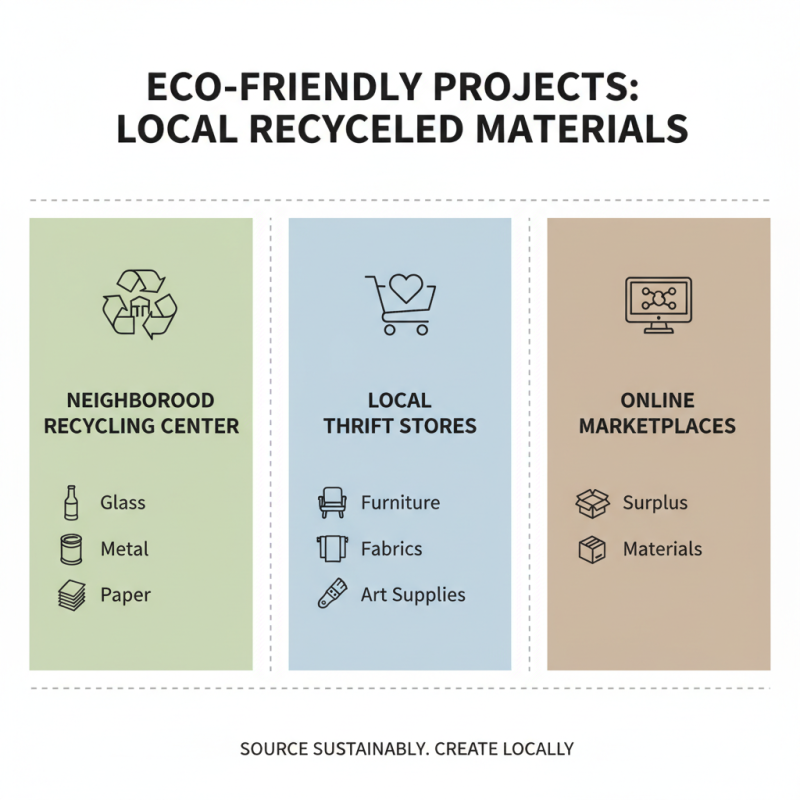
When it comes to sourcing recycled materials for eco-friendly projects, local resources are invaluable. Check out your neighborhood recycling center. You can often find a variety of materials like glass, metal, and paper. Local thrift stores can be treasure troves. Furniture, fabrics, and even art supplies can often be rescued and repurposed. Don't overlook online marketplaces as well—they can connect you with surplus materials from nearby projects.
Visiting construction sites can also yield interesting finds. Builders sometimes discard excess materials like wood, tiles, or bricks. Always ask for permission and ensure safety. Some community groups even organize cleanup events where you can gather materials like plastic and wood. Remember, sourcing can be a bit hit-or-miss. It requires patience and creativity. Expect to come across unusable items as well. Filtering through can take time and effort, but the results can be rewarding. Embrace the challenge of transformation.
Challenges and Considerations in Using Recycled Materials
Using recycled materials for sustainable living is commendable, yet it comes with challenges.
The quality of recycled materials can vary significantly. Not all recycled products are suitable for every purpose.
For instance, recycled plastics may not be as durable as new ones. This raises concerns about safety and longevity in constructions.
Some items may even malfunction, which could lead to wastage.
Another consideration is the availability of recycled materials. While recycling systems are improving, not all areas have access to quality sources.
This can restrict creativity and options in building sustainable solutions. In certain cases, the cost of acquiring recycled materials can outweigh the benefits,
making them less attractive.
Tips: Always ask about the source of recycled materials before purchasing.
Look for certifications that ensure quality. Opt for local recycling efforts to support nearby communities.
When in doubt, choose well-researched materials. This reduces the risk of subpar products and fosters trust in your sustainable choices.
Recycled doesn't always mean better; sometimes, new materials may be more reliable for specific projects.