Discover the Best Recycled Plastic Building Materials in China?
In recent years, the construction industry has witnessed a significant shift towards sustainability. A key component of this movement is the rise of recycled plastic building materials. According to a 2022 report from the Global Plastics Alliance, the demand for eco-friendly materials has surged, with recycled plastics showing a growth rate of over 10% annually. This trend underscores a broader commitment to green building practices.
China stands at the forefront of this revolution. The country has become a leading producer of recycled plastic building materials, utilizing advanced technologies to transform waste into high-quality construction products. These materials not only reduce landfill waste but also lower the carbon footprint of construction projects. However, the industry faces challenges, such as ensuring quality and performance standards.
Despite the progress, there are areas requiring reflection. Quality control remains a concern, with many producers still developing their processes. Furthermore, consumer awareness about the benefits of recycled materials is still limited. As the market matures, addressing these issues will be crucial to drive further adoption of recycled plastic building materials in China.
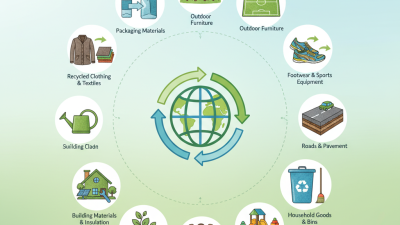
Types of Recycled Plastic Building Materials Available in China
Recycled plastic building materials are gaining popularity in China due to their sustainability. Various types are available, making them suitable for different construction needs.
One common option is plastic lumber, which mimics traditional wood but lasts longer and requires less maintenance. Made from recycled plastic, it is often used for decking and fencing. Another type is plastic concrete, which combines recycled plastics with traditional concrete. This material enhances durability and reduces weight, making it ideal for building facades.
It's essential to consider the environmental impact when choosing building materials. Look for options that not only use recycled content but also promote energy efficiency. Understanding local regulations regarding recycled materials is crucial. Some regions may have specific guidelines that influence your choices.
Recycled plastics are versatile but not always perfect. While they reduce waste, they can face durability issues under specific conditions. Always evaluate the long-term performance of these materials compared to traditional options. Make informed decisions to ensure sustainable construction practices that truly benefit the environment.
Environmental Benefits of Using Recycled Plastic in Construction
Recycled plastic in construction offers significant environmental benefits. It reduces waste in landfills and conserves resources. Reusing plastic minimizes the need for raw materials, which conserves energy and reduces greenhouse gas emissions. Manufacturing processes for recycled products consume less energy than producing new materials from scratch.
Many builders are now adopting recycled plastic for various applications. Decking, fencing, and insulation are common uses. These materials are often durable and weather-resistant, extending the lifespan of structures. However, there are challenges. The performance of recycled materials can vary. Quality control is essential to ensure they meet safety standards.
Sourcing recycled plastic can be problematic. Not all suppliers provide reliable materials. Testing and certification are necessary for quality assurance. Despite these challenges, the potential for significant environmental impact remains a driving force in the construction industry. Adopting recycled plastic reflects a commitment to sustainable practices, paving the way for a greener future.
Leading Manufacturers of Recycled Plastic Building Materials in China
In recent years, China's commitment to sustainable building practices has led to substantial growth in the recycled plastic building materials sector. Leading manufacturers are leveraging advanced technology to produce high-quality, eco-friendly materials. A report by the China Plastics Processing Industry Association noted a 30% increase in recycled plastic material use in construction over the last three years. This trend reflects a broader global shift towards sustainability in the industry.
Many manufacturers focus on creating durable products from 100% recycled plastics. These materials include things like outdoor decking, insulation, and structural elements. Their resilience against weather extremes makes them increasingly popular. In fact, studies suggest that recycled plastic products can last over 50 years, significantly reducing the carbon footprint associated with conventional building materials. However, sourcing consistent quality remains a challenge for some manufacturers.
Consider evaluating the environmental impact of your building choices. Selecting recycled materials can lead to reduced waste and conserve natural resources. Be cautious, though—some products may not meet rigorous building codes. Research thoroughly to avoid compromising safety while pursuing sustainability. Manufacturers are improving standards, but ensure you verify certifications and product performance claims.
Explore the Market Shares of Recycled Plastic Building Materials in China
Innovative Applications of Recycled Plastic in Architecture and Design
Recycled plastic is transforming architecture and design in China. With rapid urbanization, architects seek sustainable materials. According to a report by the China Plastic Processing Industry Association, the use of recycled plastic in construction increased by 30% last year. This surge highlights a shift towards eco-friendly building practices.
Innovative applications include using recycled plastic for roofing, cladding, and even furniture. For instance, plastic lumber is becoming a popular alternative to wood, providing durability and resistance to weather conditions. However, challenges persist. Some structural engineers question the long-term performance of recycled materials. The technology to recycle plastics into high-quality building materials is improving, but standards still vary.
As architects explore these materials, they balance environmental benefits with practical concerns. Energy efficiency and longevity remain priorities. However, consumers must be informed about the impacts of recycled materials. The journey toward widespread adoption is still evolving, requiring continued research and development in the field. This path is crucial as the need for sustainable building solutions becomes more pressing.
Challenges and Considerations in Sourcing Recycled Plastic Materials
Sourcing recycled plastic materials in China presents unique challenges. First, the quality control of these materials can be inconsistent. Many suppliers may lack rigorous testing methods. This can result in subpar products that do not meet expected standards. Therefore, it is crucial to establish clear criteria for sourcing. Buyers must assess suppliers' certifications and quality assurance processes.
Communication is another significant hurdle. Language barriers often complicate negotiations. Clear communication can prevent misunderstandings about material specifications. It is advisable to spend time discussing expectations and potential issues. This step can save resources and ensure better collaboration.
Logistics and transportation also pose problems. The availability of recycled materials varies by region. In some areas, sourcing may be straightforward, while in others, it might require extensive effort. Understanding regional differences is key. Additionally, fluctuating market prices for recycled plastics can impact budgets unexpectedly. Being aware of these dynamics can help manufacturers plan more effectively.