Why Choose Eco Friendly Plastic for a Sustainable Future?
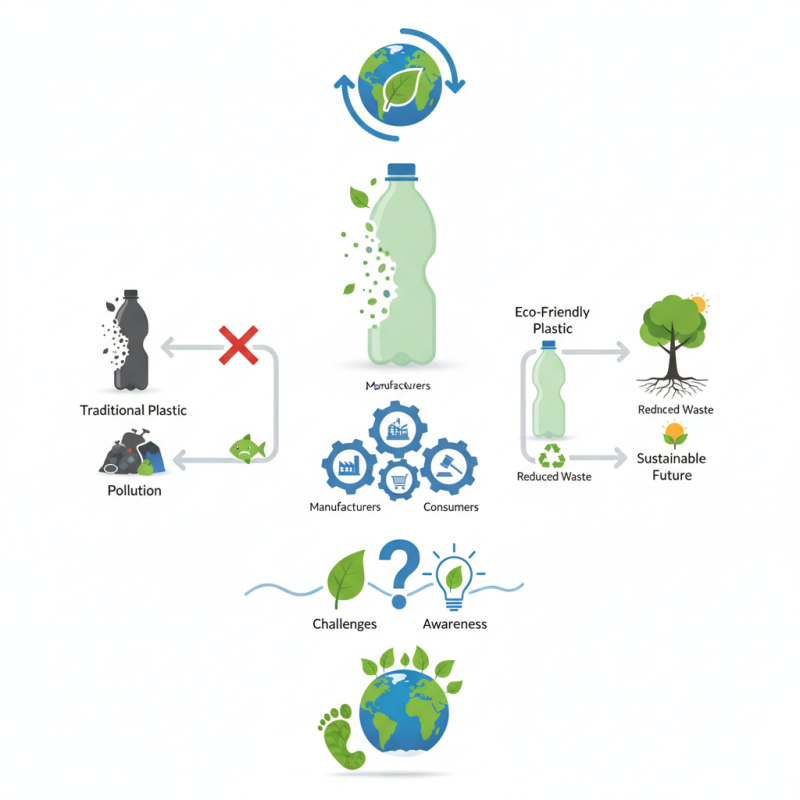
In today's world, the search for sustainable materials is more urgent than ever. Eco friendly plastic emerges as a promising alternative. It offers a viable solution to our plastic pollution crisis. Many people are unaware of the benefits it provides. Eco friendly plastic is designed to minimize environmental impact. This innovative material can break down more easily than traditional plastics.
However, it is not without challenges. We need to consider the lifecycle of these materials carefully. While eco friendly plastic can reduce waste, it is not a complete answer. Consumers must reflect on their consumption habits. Awareness is key in making better choices. The transition to eco friendly plastic requires collaboration among manufacturers, consumers, and policymakers.
In exploring eco friendly plastic, we acknowledge the complexities involved. The path to a sustainable future is filled with obstacles. Yet, focusing on eco friendly solutions can lead to significant change. By choosing such materials, we take crucial steps towards protecting our planet.
Why Eco-Friendly Plastic Plays a Key Role in Waste Reduction
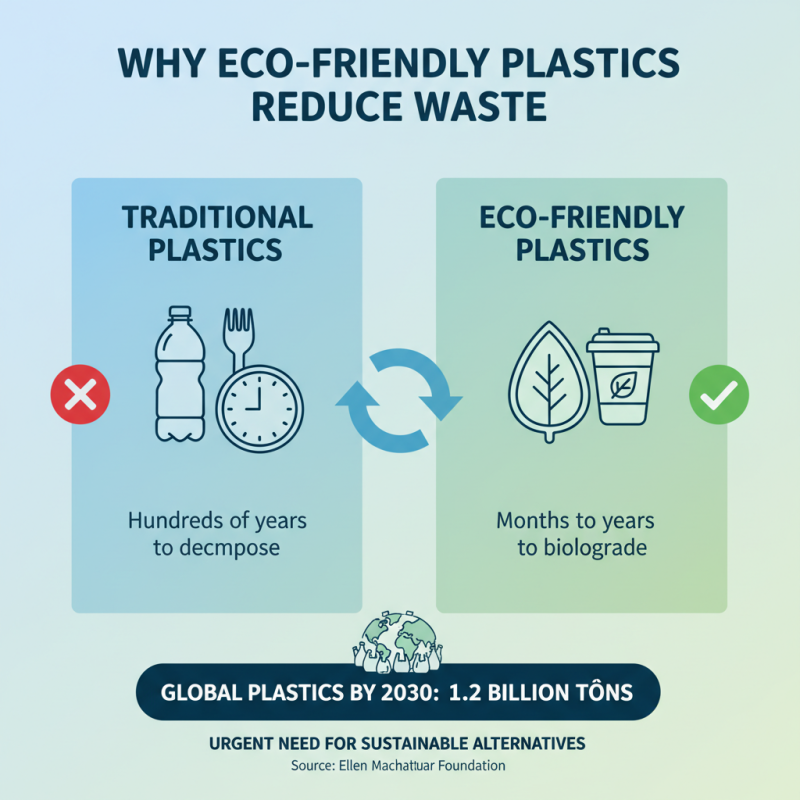
Eco-friendly plastics significantly contribute to waste reduction. Traditional plastics take hundreds of years to decompose. In contrast, many eco-friendly options biodegrade in months or years. According to the Ellen MacArthur Foundation, the global plastic economy is set to reach 1.2 billion tons by 2030. This shocking statistic highlights the urgent need for sustainable alternatives.
Incorporating eco-friendly plastics can help close the loop on waste. Key studies show that these materials can reduce landfill contributions by up to 50%. Innovations like bioplastics made from plant-based sources demonstrate promising results. These materials carry lower carbon footprints. Still, challenges exist, like the availability of recycling facilities tailored for these new materials.
Transitioning to eco-friendly plastic requires both effort and time. Many businesses hesitate due to costs or lack of infrastructure. As consumer awareness grows, pressure mounts on companies to rethink their packaging. It's a step towards sustainability, but awareness and collective responsibility are imperative. While progress is being made, there’s still a long road ahead.
Comparative Analysis: Eco-Friendly Plastics vs. Traditional Plastics
In recent years, eco-friendly plastics have gained traction as an alternative to traditional plastics. Eco-friendly plastics can be made from renewable resources, like corn starch, and are designed to reduce environmental impact. For instance, a report by the Ellen MacArthur Foundation states that conventional plastics contribute to over 280 million tons of waste annually. This stark figure highlights the urgent need for sustainable solutions.
Comparatively, eco-friendly plastics present a compelling case. One study found that biodegradable plastics can reduce greenhouse gas emissions by up to 80% over their life cycle. This shift not only lessens landfill contributions but also promotes a circular economy. However, the transition is not without challenges. The production processes of some eco-friendly plastics can still emit pollutants, raising concerns about their carbon footprint.
Moreover, the durability of eco-friendly plastics often falls short of their traditional counterparts. While they decompose faster in the right conditions, they may not always be suitable for all applications. This can force industries to weigh the trade-offs. Adopting eco-friendly options requires innovation and investment. It poses questions about scalability and effectiveness in reducing overall plastic use. The journey toward sustainability remains complex, requiring both collective action and critical examination of our choices.
Industry Statistics on Biodegradability and Recycling Rates of Eco Plastics
Eco-friendly plastics are gaining traction as essential alternatives for sustainability.
Biodegradable plastics break down faster than conventional ones, reducing landfill waste. Every year, millions of tons of plastic enter oceans and ecosystems. This affects wildlife and plant life, posing risks to our health.
Recycling rates for eco-plastics remain lower than desired. In recent studies, only about 14% of plastics are recycled globally. Awareness is increasing, yet the infrastructure for recycling eco-friendly materials needs improvement. Many facilities lack the capability to process these innovative materials effectively.
Understanding and educating ourselves about waste management is crucial. Eco-friendly plastics can alleviate some burdens on our planet, but they are not a panacea. More investment in recycling technology is necessary. We must also reconsider our consumption habits and their environmental impacts.
Creating a sustainable future calls for collective effort and personal responsibility.
The Environmental Impact of Eco-Friendly Plastics on Ocean Pollution
The ocean faces a critical threat from plastic pollution. Millions of tons of plastic enter the ocean each year. A recent report estimates that by 2025, the plastic waste could reach 250 million tons. This alarming figure highlights the urgent need for solutions.
Eco-friendly plastics can offer a promising alternative. These materials aim to reduce marine pollution substantially. Research suggests that using biodegradable plastics can decrease ocean waste by over 30%. Unlike traditional plastics, which can take centuries to decompose, eco-friendly options break down in a fraction of that time.
Tips: Choose products made from plant-based materials. This simple switch can make a big difference. Moreover, support initiatives that promote recycling and proper waste management. Educating others about these choices can help spread awareness. Even small changes contribute to a larger impact.
Despite these benefits, eco-friendly plastics are not a perfect solution. Awareness and infrastructure for recycling are still lacking. Many consumers are unaware of how to dispose of these materials correctly. It’s essential to keep pushing for better practices and encourage ongoing research in this field. The fight against ocean pollution requires commitment from everyone.
Future Trends: Innovations in Eco-Friendly Plastics for Sustainable Development
Eco-friendly plastics are gaining traction as we seek sustainable solutions. Innovations in this field are transforming materials we use daily. For example, bioplastics made from corn starch can break down in months, unlike traditional plastics. This shift is crucial for reducing waste and pollution.
New technologies are also emerging. Researchers are developing biodegradable materials that can mimic the properties of conventional plastics. These innovations could change packaging, textiles, and more. Imagine a world where your shopping bags leave behind no trace.
**Tip:** Always look for eco-friendly certifications when purchasing products.
While these advancements are promising, challenges remain. The cost of eco-friendly plastics can be higher than traditional options. Some consumers may hesitate to choose greener alternatives. Education on the benefits of these materials is key.
**Tip:** Consider reducing single-use plastics. Small changes can lead to a big impact.
Why Choose Eco Friendly Plastic for a Sustainable Future?
This bar chart illustrates the projected market growth and adoption rates of eco-friendly plastic alternatives from 2023 to 2030. As sustainability becomes increasingly critical, innovations in eco-friendly plastics are expected to show significant growth across various industries.