How to Choose Eco Plastic Products for a Sustainable Lifestyle
In the shifting landscape of consumer goods, the rise of eco plastic products stands as a beacon for those seeking a sustainable lifestyle. As environmental concerns become increasingly pressing, the market for eco-friendly alternatives is expected to grow significantly. According to a report by Research and Markets, the global eco-friendly packaging market alone is projected to reach $475 billion by 2025, highlighting a robust demand for sustainable materials. This growth reflects a broader trend towards eco plastic products, which not only reduce reliance on conventional plastics but also contribute to a circular economy.
Expert insights from Dr. Sarah Nelson, a leading authority in sustainable materials, emphasize the importance of mindful selection in this evolving market. She states, "Choosing eco plastic products is not just about personal preference; it’s a crucial step towards minimizing our environmental footprint and fostering a healthier planet." This sentiment captures the essence of the shift towards sustainable living, encouraging consumers to be proactive in their choices. By understanding the features and benefits of various eco plastic products, shoppers can make informed decisions that align with their values while supporting innovative practices in material production and recycling.
Ultimately, the journey towards a sustainable lifestyle is paved with informed choices about eco plastic products, encapsulating both environmental responsibility and modern consumerism.
Understanding Eco-Friendly Plastics and Their Benefits
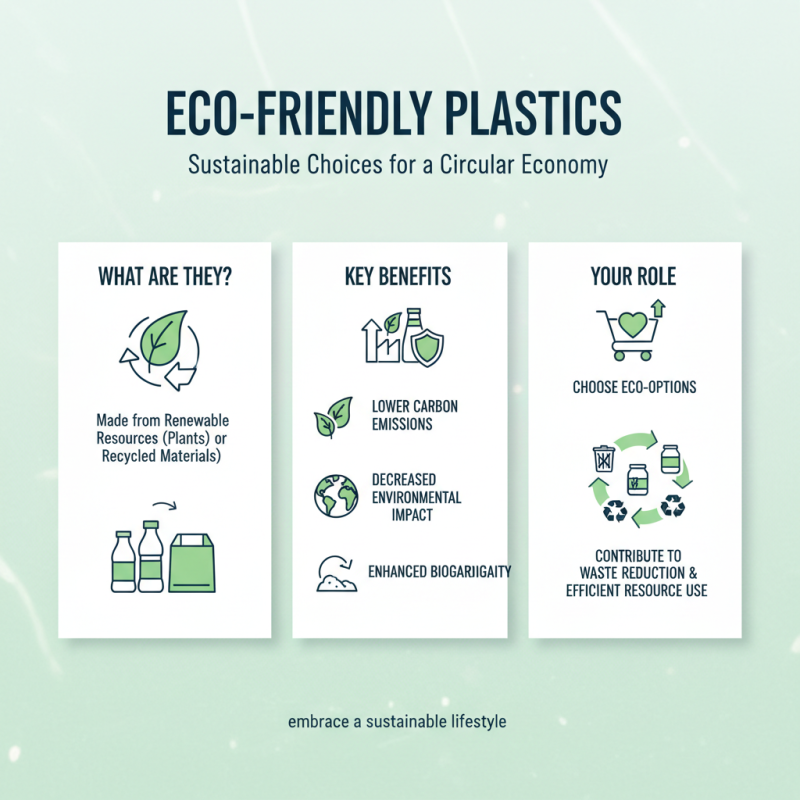
When it comes to embracing a sustainable lifestyle, understanding eco-friendly plastics is essential. Eco plastics, often made from renewable resources or recycled materials, reduce our reliance on conventional petroleum-based plastics. They offer various benefits, such as lower carbon emissions during production, decreased environmental impact, and enhanced biodegradability. By choosing eco-friendly options, consumers contribute to a circular economy that emphasizes reducing waste and utilizing resources more efficiently.
Tips for selecting eco plastic products include looking for certifications that verify the sustainability of the materials used. Check for labels that indicate post-consumer recycled content or compliance with environmental standards. Additionally, consider the lifespan and durability of the product; longer-lasting items can reduce waste over time. Engage with companies that prioritize transparency in their sourcing and manufacturing processes to ensure you are making informed choices that align with your values.
Another important tip is to consider the end-of-life disposition of the products you choose. Opt for items that can be composted or easily recycled, as this will minimize their impact on landfills. Educating yourself about the local recycling programs can also help ensure that you dispose of eco plastics correctly. By making mindful decisions, you can significantly contribute to a more sustainable future.
Identifying Certifications and Labels for Sustainable Plastics
When selecting eco plastic products for a sustainable lifestyle, understanding the certifications and labels is key to making informed choices. Certifications such as the Global Recycled Standard (GRS) and the Cradle to Cradle Certified™ label ensure that the materials used are not only recycled but also safe for both human health and the environment. These labels indicate that a product has undergone a rigorous assessment process and meets various sustainability criteria, which can help consumers identify genuinely eco-friendly options.
Tips: Always look for products with well-known certifications to ensure they comply with environmental standards. Take the time to research the meanings behind different certifications, as this knowledge can empower you to make choices that align with your values. Additionally, check for transparency in the product's lifecycle, including information about sourcing and manufacturing practices.
In addition to certifications, familiarize yourself with labels that indicate recyclable or biodegradable plastic materials. The Mobius Loop symbol signifies that a product can be recycled, while the Biodegradable label means it breaks down more naturally in the environment compared to traditional plastics. Understanding these labels helps you opt for products that minimize ecological impact and support a circular economy.
Tips: Always examine the product packaging for these labels and educate yourself on local recycling guidelines to ensure proper disposal. Engaging with community programs focused on sustainability can also provide valuable insights into making better purchasing decisions.
Evaluating the Life Cycle of Eco Plastic Products
When choosing eco plastic products for a sustainable lifestyle, evaluating the life cycle of these products is essential. The life cycle assessment (LCA) measures environmental impact from raw material extraction, production, usage, to disposal. According to a 2022 report by the United Nations Environment Programme, switching to bio-based plastics can reduce greenhouse gas emissions by up to 60% compared to traditional petroleum-based plastics. Understanding this dynamic allows consumers to make informed decisions about the products they use every day.
When assessing eco plastic options, consider the materials used. Biodegradable plastics, made from renewable resources, have a significantly lower environmental footprint during production. Research from the International Journal of Life Cycle Assessment indicates that biodegradable plastics can reduce energy consumption by up to 50% compared to conventional plastics. It's crucial to look for certifications or third-party assessments that ensure the product meets ecological standards.
Tips: Always check for certifications like ASTM D6400 for compostability or ISO 14001 for environmental management. Look for products that are produced locally to minimize transportation emissions. Encourage a circular economy by selecting products that offer take-back programs or can be easily recycled at the end of their life cycle.
Choosing Eco Plastic Products Based on Usage and Durability
When selecting eco plastic products for a sustainable lifestyle, it is essential to consider their intended usage and overall durability. First and foremost, assess the specific needs that the product will fulfill. For instance, if you are looking for kitchenware, prioritize items that can withstand high temperatures and regular use without degrading. Eco plastic products should not only fulfill their primary function but also remain reliable over time. This ensures that you will not need to replace them frequently, further reducing waste and contributing to sustainability efforts.
Durability should be a key factor in your decision-making process. When choosing eco plastic products, look for those made from high-quality, biodegradable materials that can endure daily wear and tear. Products constructed from recycled plastics or bioplastics often provide a good balance between sustainability and longevity. Furthermore, opting for items that are easy to clean and maintain can significantly extend their life, ensuring that they remain functional and eco-friendly throughout their use. By focusing on the utility and durability of eco plastic products, individuals can make informed choices that support a more sustainable lifestyle.
Tips for Integrating Eco Plastic Products into Your Daily Life
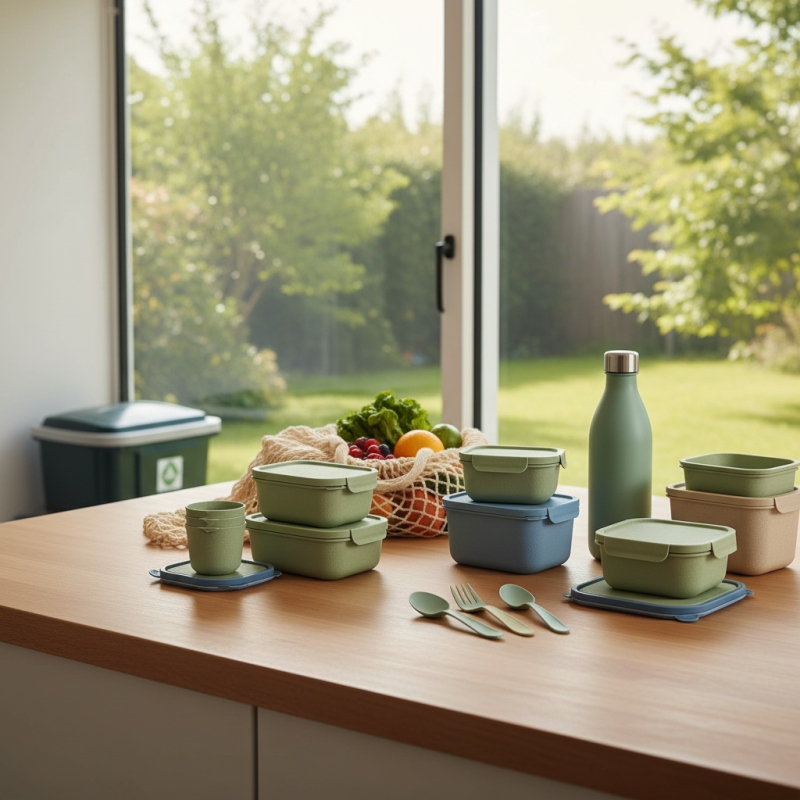
Incorporating eco plastic products into your daily life is a proactive step toward sustainability. Start by assessing the items you use regularly – from kitchenware to personal care products. Look for alternatives made from recycled plastics or biodegradable materials. For instance, substituting single-use plastic bags with reusable eco-friendly bags can significantly reduce your plastic footprint. Similarly, using biodegradable containers for food storage not only helps the environment but also promotes a zero-waste lifestyle.
Beyond the kitchen, aim to incorporate eco plastic products in your personal grooming and cleaning routines. Opt for eco-safe toiletries like bamboo toothbrushes or refillable containers, which minimize waste and promote long-term usage. In addition, exploring cleaning supplies made from recycled plastics can enhance your home’s sustainability. By making small yet impactful changes, you can effectively weave eco plastic products into the fabric of your everyday life, fostering a more sustainable lifestyle without sacrificing convenience or quality.
How to Choose Eco Plastic Products for a Sustainable Lifestyle
| Product Category |
Eco Plastic Type |
Features |
Sustainability Rating |
| Reusable Water Bottles |
rPET (Recycled Polyethylene Terephthalate) |
BPA-Free, Lightweight, Durable |
4.5/5 |
| Shopping Bags |
Bio-based Polyethylene |
Compostable, Strong, Lightweight |
4.8/5 |
| Food Storage Containers |
BPA-Free Polypropylene |
Microwave Safe, Reusable, Dishwashable |
4.2/5 |
| Personal Care Products |
Recycled Ocean Plastics |
Cruelty-Free, Recyclable, Sustainable Sourcing |
4.7/5 |
| Household Cleaning Supplies |
Recycled Plastic Containers |
Eco-Friendly Ingredients, Reusable Packaging |
4.6/5 |