
How to Choose Azul Macaubas Quartzite for Your Project?
Choosing Azul Macaubas Quartzite requires more than admiring a striking blue slab. This natural stone can display ocean-blue fields, pale gray movement, and warm gold veining. Each block is different. That variation creates character, but it can also complicate design matching.
A reliable selection begins with the actual slab, not only a small showroom sample. Ask the supplier about the quarry source, slab thickness, finish, absorption, and available inventory. Inspect the surface under natural and indoor lighting. Small fissures may appear harmless, yet they can affect cutting or edge fabrication. A fabricator should review the slab before templates are finalized. Their experience can reveal weak areas, directional movement, and the best placement for sinks or cooktops.
Think beyond color. Compare the stone with cabinet doors, flooring, backsplash samples, and hardware. A polished finish can intensify its blue depth, while a leathered finish may soften reflections. Sealing is often recommended, but performance depends on the specific slab and product used. Confirm maintenance instructions in writing.
Budget matters too. Transportation, bookmatching, reinforcement, installation, and waste can increase the final cost. Some choices may look perfect in photographs but feel too dramatic across a large island. That is worth considering. A well-informed decision balances beauty, durability, fabrication risks, and daily use. Before purchasing, request recent photos, a physical sample, and a written quotation. Even careful planning cannot remove every uncertainty. It can reduce expensive surprises.
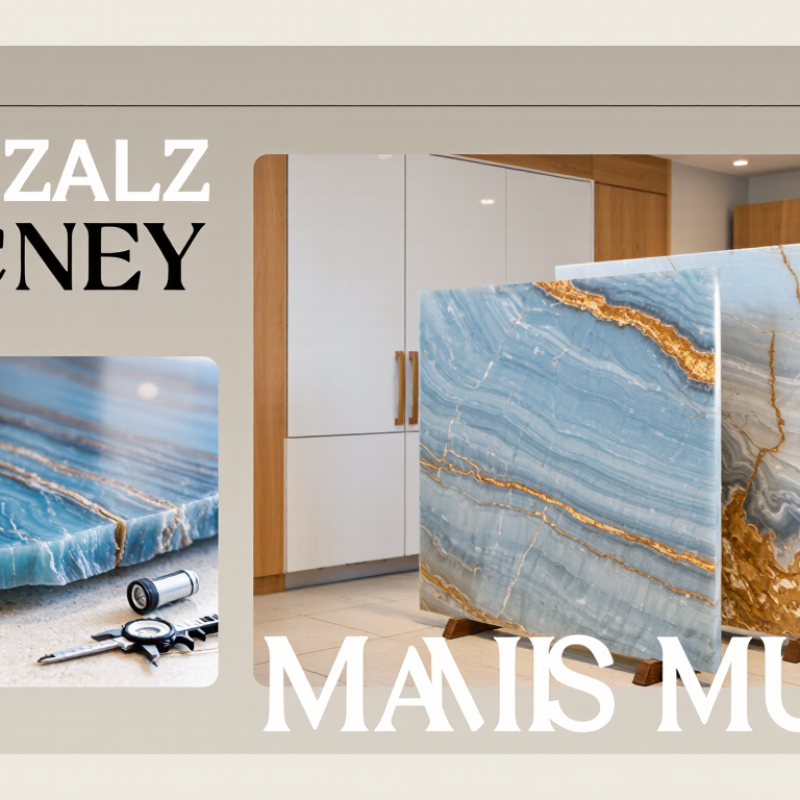
Identify Azul Macaubas Quartzite by Color, Veining, and Origin
How to Choose Azul Macaubas Quartzite for Your Project?
Identify Azul Macaubas Quartzite by its color, veining, and documented origin. Genuine material usually shows a blue, gray, or icy background. White veins may run sharply across the slab. Some blocks also contain soft gold or brown movement. The pattern should look geological, not printed. However, color varies between quarries and production lots. A single showroom sample can mislead. Inspect a full slab under daylight and warm indoor lighting. Darker areas may appear stronger after honing or sealing.
Origin matters because “Azul Macaubas” is often used as a commercial name. Request the quarry country, extraction location, lot number, and chain-of-custody documents. The U.S. Geological Survey’s Mineral Commodity Summaries identifies Brazil as a major dimension-stone producer. That supports checking Brazilian origin claims, but it does not prove every blue quartzite slab came from one region. Ask for absorption, flexural-strength, and abrasion-test results using relevant ASTM methods. The Natural Stone Institute also recommends evaluating stone performance for the intended use, rather than relying on appearance alone.
Tips: Compare at least three slabs from the same lot. Photograph the veining before fabrication. Place sample chips beside cabinet and floor materials. I would avoid approving from a small tile. Veins can change dramatically across a countertop. Also, confirm resin filling and surface treatment, because they may alter color, gloss, and maintenance needs.
Azul Macaubas Quartzite is commonly identified by its vivid blue background, contrasting white to gray veining, and Brazilian origin, especially material associated with Bahia. The visual prominence scores below are a practical comparison guide rather than laboratory measurements; always confirm the stone’s quarry origin and physical specifications with the supplier.
Check Mohs Hardness of 6–7 for Durability in Your Application
Choosing Azul Macaubas quartzite begins with more than its blue veining. Its typical Mohs hardness of 6–7 offers useful resistance to everyday scratching. This makes it suitable for kitchen counters, vanity tops, wall panels, and other frequently touched surfaces. A steel blade should not mark a properly finished surface under normal conditions. However, hardness is not the same as toughness. A sharp impact on a thin edge can still cause chipping.
Inspect the actual slab before approval. Natural quartzite can vary in mineral content, grain structure, and surface quality. Ask for technical test data when available, then compare it with a small sample from the same material batch. Try to view the slab under strong, angled light. Fine fissures may appear around blue mineral bands or near cutouts. These details matter around sinks, cooktops, and narrow overhangs.
Fabricators should use diamond tools and leave adequate support around openings. Dry cutting can create excessive heat and dust, so controlled workshop procedures are important. Sealers may reduce staining, but they do not increase Mohs hardness. Use cutting boards and avoid dragging gritty objects across the surface. It is tempting to treat a 6–7 rating as complete protection. That assumption needs reconsideration, especially in busy commercial spaces or homes with heavy cookware. A careful inspection remains necessary.
How to Choose Azul Macaubas Quartzite for Your Project? - Check Mohs Hardness of 6–7 for Durability in Your Application
| Selection Dimension | Typical Azul Macaubas Quartzite Information | Why It Matters | Application Guidance |
|---|---|---|---|
| Stone Type | Natural quartzite, a metamorphic stone formed from quartz-rich sandstone. | Natural stone has unique mineral patterns, color movement, and variation from slab to slab. | Review the actual slabs before approval, especially when a continuous pattern is important. |
| Mohs Hardness | Approximately 6–7 on the Mohs mineral hardness scale. | This indicates good resistance to scratching from common household materials, although no natural stone is scratch-proof. | Suitable for countertops, vanities, islands, backsplashes, and other frequently used interior surfaces when properly fabricated. |
| Primary Mineral Content | Predominantly quartz, with additional minerals responsible for the blue, white, gray, and veined appearance. | Quartz contributes to hardness, while accessory minerals create natural color and pattern variation. | Request the supplier’s technical information for the specific quarry lot or slab because mineral composition can vary. |
| Typical Appearance | Blue-based background with white, gray, and sometimes darker veining or flowing movement. | Each slab can have a different balance of color, veining, and translucency. | Use full-slab layouts or digital slab selection to coordinate bookmatching, seams, and focal areas. |
| Durability Consideration | High hardness and good resistance to everyday abrasion, subject to natural fissures and inclusions. | Hardness does not eliminate the possibility of chipping, cracking, or damage from impact and poor support. | Use qualified fabricators, provide adequate cabinet support, and avoid concentrated impacts at corners and sink cutouts. |
| Water Absorption | Varies by slab and finish; obtain the tested value from the specific material supplier. | Absorption affects stain resistance, sealer performance, and maintenance requirements. | Confirm absorption testing before installation and conduct a small-area sealer test on the actual slab. |
| Stain Resistance | Generally good when the surface is properly finished, sealed when required, and cleaned promptly. | Porosity, polished or honed finish, spills, and sealer condition all influence staining. | Wipe up oils, wine, coffee, and acidic or strongly colored liquids promptly; never rely on sealer as a permanent stain barrier. |
| Heat and Thermal Shock | Quartzite is mineral-based and handles normal kitchen temperatures, but sudden or extreme temperature changes can be harmful. | Thermal shock may contribute to cracking, particularly near cutouts, seams, or existing fissures. | Use trivets for hot cookware and avoid placing very hot objects directly on the surface. |
| Acid Sensitivity | Quartzite is generally more acid-resistant than marble, but surface treatments, mineral inclusions, and misidentified stones can react differently. | Acidic cleaners may dull, etch, or damage certain surfaces and applied finishes. | Use a pH-neutral stone cleaner and test any product in an inconspicuous area before broad application. |
| Recommended Finish | Polished finishes emphasize color and veining; leathered or honed finishes provide a softer visual effect and different tactile performance. | Finish affects reflectivity, visible marks, cleaning response, and the appearance of natural variation. | Compare finish samples under the project’s actual lighting before selecting the final surface. |
| Fabrication Requirements | Requires diamond tooling, controlled cutting, edge reinforcement where appropriate, and careful handling. | Natural stone can contain fissures or weak points that require specialized fabrication planning. | Confirm seam locations, overhang limits, sink details, edge profiles, and support requirements with an experienced stone fabricator. |
| Maintenance Level | Low to moderate routine maintenance: dust removal, prompt spill cleanup, and periodic evaluation of the sealer if one is used. | Regular care helps preserve the finish and reduces the chance of staining or buildup. | Avoid abrasive powders, harsh acids, bleach-heavy products, and unapproved impregnating or topical coatings. |
| Best-Fit Applications | Interior kitchen worktops, bathroom vanities, wall cladding, backsplashes, fireplace surrounds, and feature surfaces. | These uses benefit from the stone’s hardness and distinctive natural appearance. | For exterior, wet-area, or heavy-commercial applications, verify freeze-thaw performance, slip requirements, absorption, and project-specific testing. |
| Final Verification | Confirm the actual slab’s hardness, absorption, finish, thickness, fissures, repairs, and technical test data. | Natural stone properties are not identical across every slab, quarry lot, or processing method. | Approve the physical slab and written technical data before fabrication, purchasing, or installation. |
Compare ASTM C97 Water Absorption and ASTM C170 Strength Data
When selecting Azul Macaubas quartzite, I start with test reports, not color alone. Its blue movement can be striking, but performance deserves equal attention. ASTM C97 measures water absorption and bulk specific gravity. Lower absorption generally suggests fewer pathways for moisture, but it does not make stone waterproof. Ask whether results came from representative blocks, not only attractive slabs. That detail matters.
ASTM C170 evaluates compressive strength, usually reported for dry and wet specimens. Compare those values with the intended use: a kitchen island, stair tread, wall panel, or exterior paving. Each application has different demands. High strength is useful, but it cannot compensate for poor support or unsuitable thickness. Check test direction, specimen size, conditioning method, and units. A report without those details is incomplete. I have seen impressive numbers misapplied to installations with concentrated edge loads. That mistake is avoidable. Do not treat compressive strength as allowable design stress.
Request current reports from the actual lot whenever possible. Natural quartzite can vary in absorption, veining, microfractures, and strength. One result should not define every slab. Review the weakest relevant value, then confirm fabrication details with a qualified stone engineer or fabricator. Sealers may reduce staining, but they do not increase ASTM C170 strength. A small mock-up can reveal unexpected moisture darkening or edge weakness. I would document that evidence before approving full production.
Match Slab Thickness, Finish, and Fabrication to Project Requirements
How to Choose Azul Macaubas Quartzite for Your Project?
Azul Macaubas quartzite needs more than a color match. Its blue movement can change dramatically across one slab. Ask the fabricator to dry-lay slabs before cutting. Record the vein direction, usable yield, and visible fissures. A 20 mm slab suits many wall panels and light-duty counters. For long islands, overhangs, or heavily used kitchens, 30 mm offers greater visual weight and stiffness. The Marble Institute’s Dimension Stone Design Manual recommends evaluating span, support, and edge details rather than selecting thickness by appearance alone. I once underestimated an overhang; the stone looked perfect, but the support plan was not.
Finish changes both maintenance and perception. A polished surface intensifies blue tones and reveals fingerprints near the sink. A honed finish softens reflections but may show etching or uneven absorption more clearly. Request a finished sample, not only a raw fragment. ASTM C615 and C616 testing covers absorption, strength, and related performance for quartz-based dimension stone. Ask for the actual test report. A generic specification is not enough.
Fabrication should follow the slab’s structure. Place sink cutouts away from narrow veins, corners, and existing fissures. Use eased edges on busy worktops; sharp miters are less forgiving. Wet cutting and dust control remain essential. OSHA limits respirable crystalline silica exposure to 50 micrograms per cubic meter over eight hours, with a 25-microgram action level. Cutting dry is a poor shortcut. Every project needs review. Sometimes the most attractive layout wastes too much stone.
Confirm Lot Consistency, Sealing Needs, and Installed-Cost Estimates
Azul Macaubas quartzite rewards close inspection before fabrication. Compare full slabs from the same lot under neutral lighting. Veining can shift sharply between slabs, especially near blue, gray, and white transitions. Request lot numbers, quarry origin, and calibrated photographs. A small sample is useful, but it cannot represent a bookmatched wall. I learned that the hard way on a project where two samples looked identical.
Confirm absorption through laboratory testing, not only a countertop water-drop test. ASTM C97 measures water absorption and bulk specific gravity for dimension stone. ASTM C170 evaluates compressive strength, while ASTM C880 addresses flexural strength. Ask for current test data when the material will span a sink or overhang. Sealing needs depend on absorption, finish, and use. A honed surface may show oil marks sooner. Plan a maintenance mock-up first.
Build the installed-cost estimate from measured quantities. Include slab waste, edge profiles, templates, transport, reinforcement, cutouts, sealing, backsplash work, and difficult access. The 2025 RSMeans Construction Cost Data emphasizes regional labor and productivity differences, so national online averages can mislead. As a budget check, the 2024 U.S. Houzz & Home Study reported a $75,000 median for major kitchen renovations. Stone is only one component. I would carry a 15% contingency for veining, breakage, or revised field measurements. It may still be insufficient. Ask the fabricator to price the actual lot, not a generic square-foot allowance.