Top 10 Easy Ways to Recycle from Home for Eco Friendly Living?
In today's world, sustainability is crucial for our planet's health. One of the simplest ways to contribute is to recycle from home. Many people spend years with the same habits, forgetting the impact of small changes. By adopting eco-friendly practices, we can make a significant difference.
Recycling at home doesn't require extensive changes to your routine. Simple steps can lead to substantial benefits. For instance, redirecting everyday items like plastic bottles, paper, and cardboard can reduce waste. It's a matter of understanding what can be recycled and how. This knowledge empowers individuals and families to embrace environmental responsibility.
While it may feel overwhelming, starting small is key. Reflect on your daily waste and what can be improved. Every effort counts, whether it's sorting waste or repurposing items. These actions not only help the environment but also foster a sense of community. As we explore the top ten easy ways to recycle from home, remember: change begins with you.
Understanding the Importance of Recycling from Home
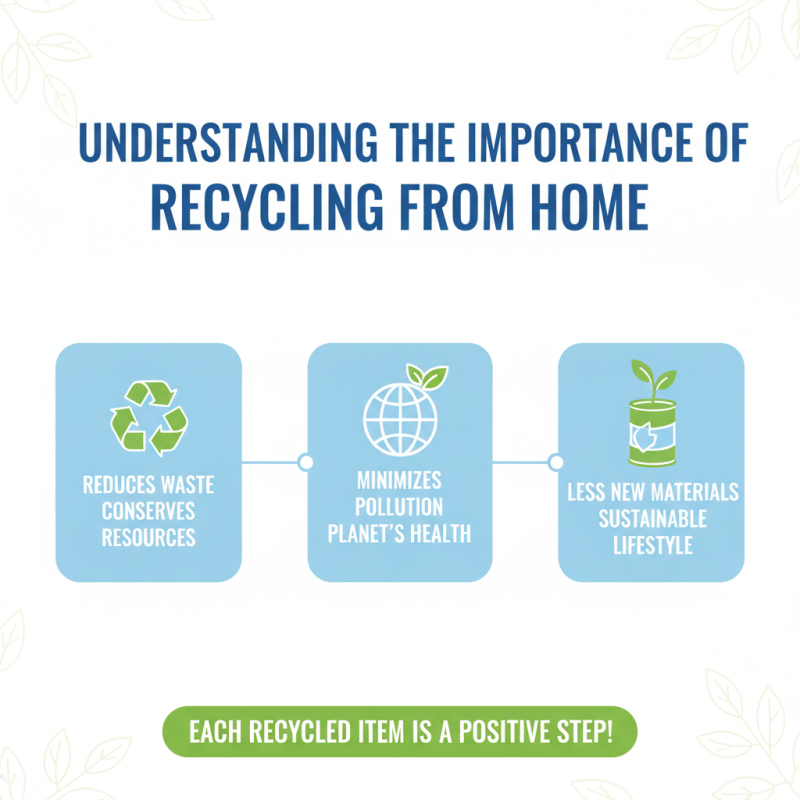
Recycling from home plays a crucial role in our environment. It reduces waste and conserves resources. When you recycle, you help minimize pollution. This is vital for our planet's health. Each item recycled reduces the need for new materials. That’s a positive step toward a more sustainable lifestyle.
Many people overlook small items. A simple plastic bottle or a piece of cardboard can have a lasting impact. It’s easy to forget that every little effort counts. By establishing a home recycling system, you can engage the entire family. Encourage kids to help sort recyclables. This fosters a sense of responsibility and awareness.
While we strive to recycle, challenges can arise. Not everyone knows what is recyclable. Some items end up in the wrong bin. Awareness and education are key. It is important to know your local regulations. Mistakes happen, and that’s part of the learning process. Reflecting on our habits can help us improve and grow.
Common Household Items Suitable for Recycling
Recycling at home can significantly reduce waste and promote eco-friendly living. Many common household items are perfect candidates for recycling. According to the Environmental Protection Agency (EPA), paper products constitute approximately 25% of the waste stream in the U.S. Recycling paper helps conserve natural resources and reduce landfill waste.
Plastics are another major contributor to household waste. Nearly 40% of plastic is used once and then discarded. Items such as detergent bottles, yogurt containers, and plastic bags can often be recycled. However, it's crucial to check local guidelines, as not all plastics are recyclable. The World Economic Forum reports that only 9% of plastic ever produced has been recycled. This highlights a significant area for improvement in our recycling habits.
Glass is an easily recyclable material found in most homes. Bottles and jars are typically accepted in recycling programs. Interestingly, recycling glass saves around 30% of the energy required to produce new glass from raw materials. However, not all glass can be recycled, and contamination can lead to entire batches being sent to landfills. Awareness of what can and cannot be recycled is essential for maximizing recycling efficiency. Making small adjustments in daily habits can lead to significant positive impacts on our planet's health.
Step-by-Step Guide to Setting Up a Home Recycling Station
Setting up a home recycling station can significantly impact the environment. According to the Environmental Protection Agency (EPA), recycling and composting prevented the release of approximately 186 million metric tons of carbon dioxide into the air in 2018. This is a compelling reason to start recycling at home.
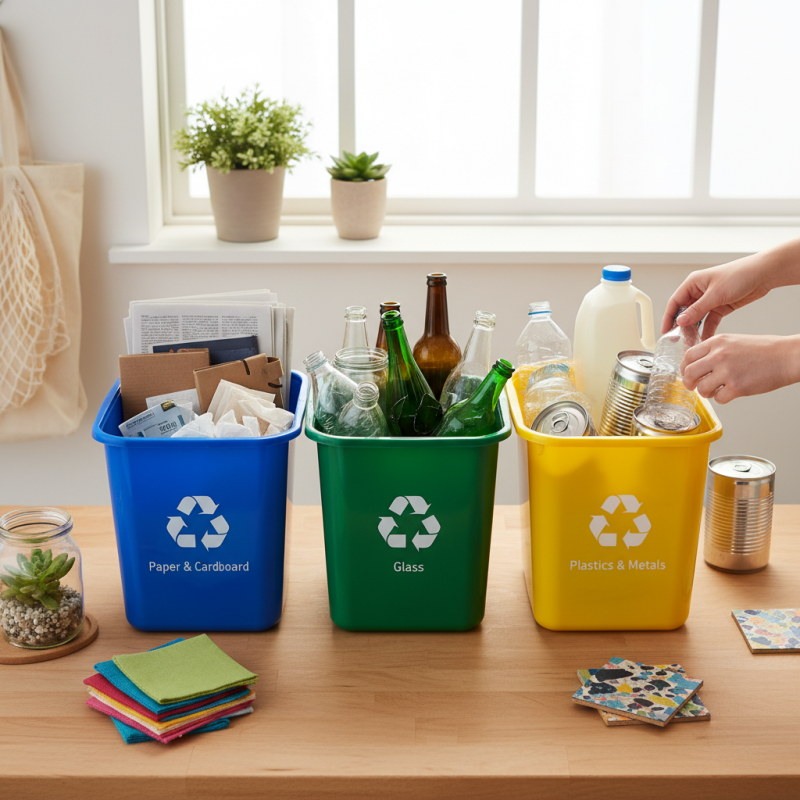
Begin by designating a specific area in your home for recycling materials. Use separate bins for paper, plastics, glass, and metals. Label these bins clearly. Research suggests that clear labeling can increase recycling rates by 25%. Take time to educate everyone in the household about what can be recycled. Not all plastics are recyclable, and improper recycling can contaminate entire batches.
Maintaining consistency is vital. Make a schedule to empty your recycling bins regularly. It may be challenging to remember at first, but creating a routine helps. A study by the National Recycling Coalition showed that households with organized recycling practices recycle 20% more materials. Reflect on any confusion over recyclable items, and adjust guidelines as needed to improve the process. It’s an ongoing journey toward more eco-friendly living.
Top 10 Easy Ways to Recycle from Home for Eco Friendly Living
| Recycling Item |
Category |
Instructions |
Frequency |
| Plastic Bottles |
Plastic |
Rinse thoroughly and remove caps. |
Weekly |
| Cardboard Boxes |
Paper |
Flatten and remove any plastic liners. |
Weekly |
| Glass Jars |
Glass |
Rinse and remove lids; label may stay. |
Bi-weekly |
| Aluminum Cans |
Metal |
Rinse and flatten if possible. |
Weekly |
| Old Electronics |
E-Waste |
Find a local e-waste recycling program. |
As needed |
| Old Clothes |
Textiles |
Donate or find textile recycling centers. |
Seasonally |
| Batteries |
Hazardous Waste |
Bring to a recycling facility or event. |
As needed |
| Scrap Metal |
Metal |
Collect and take to a scrap yard. |
Monthly |
| Food Waste |
Organic Waste |
Consider starting a compost bin. |
Daily |
| Used Paper |
Paper |
Shred and recycle in paper bin. |
Weekly |
Creative Ways to Upcycle Common Waste Materials
Upcycling is a fantastic way to transform waste into something useful. According to the Environmental Protection Agency, more than 292 million tons of waste were generated in 2018. A large portion of this waste can be creatively repurposed. For example, glass jars can become stylish storage containers or planters. Just clean them and add some soil and plants. This simple act reduces waste and adds character to your home.
Old T-shirts can be turned into reusable bags. The process is easy: cut off the sleeves and sew the bottom. This reduces plastic use significantly. According to a report by the Ellen MacArthur Foundation, switching to reusable bags can cut plastic pollution drastically. Additionally, cardboard boxes can be transformed into organizers. Just cut and decorate them. This idea is practical, but sometimes, the execution could be messy or not aesthetically pleasing. It requires a bit of practice.
While these projects can save money, they might not always come out perfect. Mistakes happen, and items may not function as intended. Embracing these imperfections is part of the process. Every creative attempt shapes our sustainable habits. Engaging in these activities fosters a deeper connection to the materials we dispose of, fostering a more eco-friendly lifestyle.
Local Recycling Programs and Resources for Homeowners
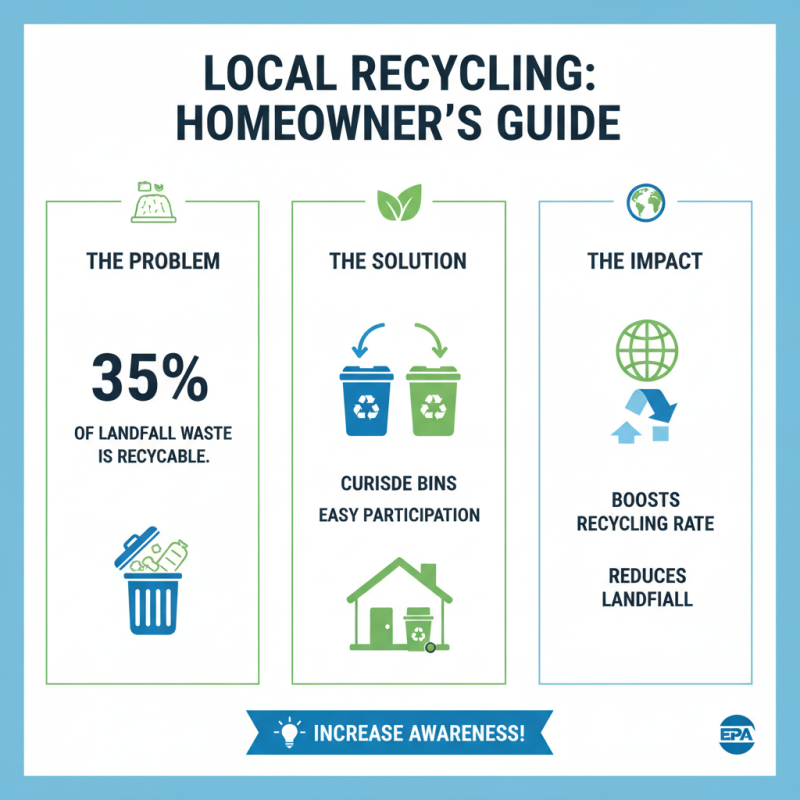
Local recycling programs provide essential services for homeowners aiming to live sustainably. According to the Environmental Protection Agency, about 35% of waste in landfills could be recycled. Many cities have set up curbside recycling bins, making it easier for residents to participate. These resources enhance the recycling rate and reduce landfill waste significantly, but awareness remains low in many communities.
Homeowners can explore local programs through municipal websites. Many areas now have mobile apps to track recycling schedules. These tools can also guide proper disposal of hazardous waste and electronic items. For instance, a report from the Recycling Partnership noted that over 45% of households do not know where to recycle certain materials. This lack of knowledge often leads to recyclable items ending up in the trash, which ultimately harms the environment.
Community workshops can also be beneficial. Engaging with local groups helps raise awareness of recycling and sustainability. However, attendance at these events can be low, reducing their overall impact. Homeowners should reflect on their own involvement and consider how they can contribute more effectively to recycling efforts in their community.