What is Eco Plastic Products and Why Are They Important?
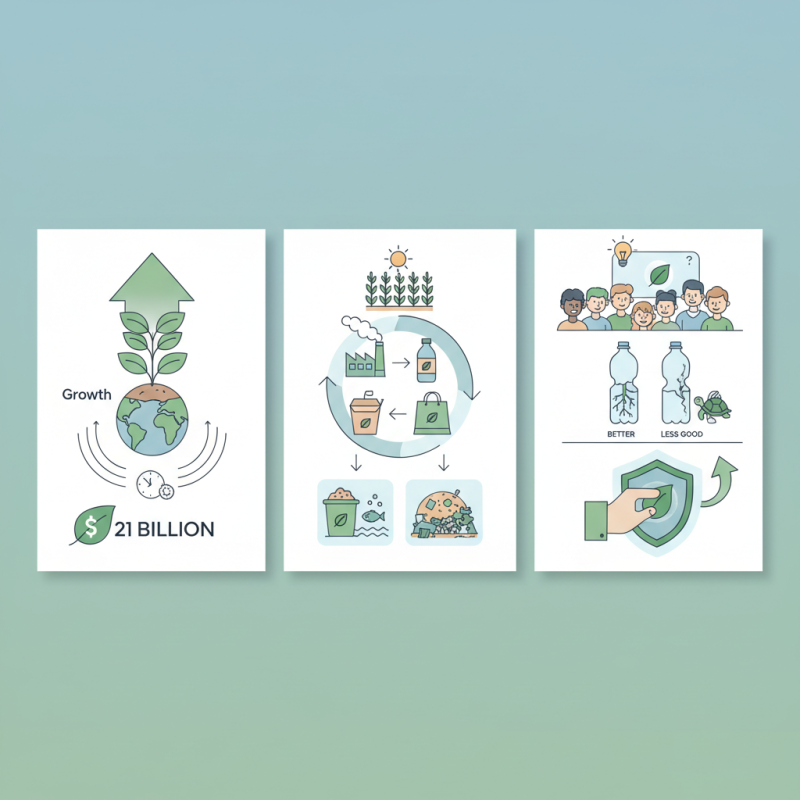
The rise of eco plastic products reflects our growing awareness of environmental sustainability. According to a recent report by Grand View Research, the global market for biodegradable plastics is expected to reach $21 billion by 2025. This growth indicates a shift towards greener alternatives that can reduce plastic waste in our oceans and landfills.
Eco plastic products are made from renewable resources, helping to lessen our dependence on fossil fuels. For instance, packaging made from plant-based materials can decompose much faster than traditional plastics. However, while these products offer promise, challenges remain. Many consumers still lack awareness about their benefits.
Furthermore, not all eco plastic products are created equal. Some may still linger in the environment longer than expected. Educating the public is crucial to increase adoption. We must continuously strive for better solutions to ensure that eco plastic products fulfill their potential in protecting our planet.
What Are Eco Plastic Products? Definition and Types Explained
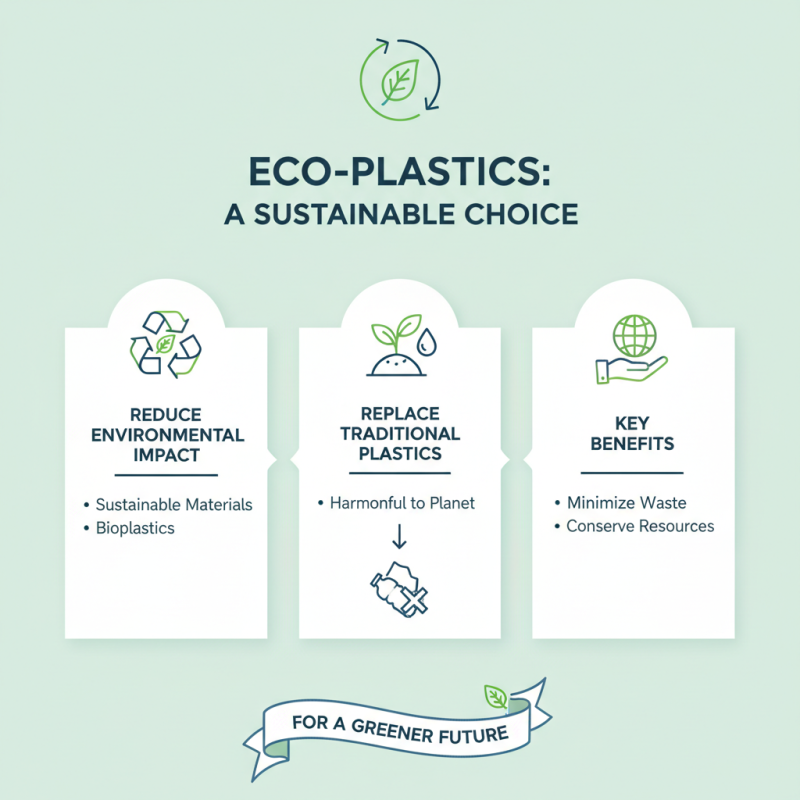
Eco plastic products are innovative materials made from renewable resources. They aim to reduce our reliance on traditional plastics, which are harmful to the environment. These products can be biodegradable, compostable, or derived from recycled plastics. The most common types include bio-based plastics, which come from plants, and biodegradable plastics that break down over time.
Bio-based plastics, like those made from cornstarch, are gaining attention. They offer similar functionality to conventional plastics but with a lower carbon footprint. Biodegradable plastics, often used for packaging, decompose more easily than traditional alternatives. However, the effectiveness of these products varies, and proper disposal methods are crucial.
Not all eco plastic products live up to their promises. Some may require specific conditions to break down. Many consumers remain unaware of these nuances. It's vital to consider the entire lifecycle of these materials before widespread adoption. More education is needed to ensure that eco plastic products make a real impact.
What is Eco Plastic Products and Why Are They Important?
| Type of Eco Plastic Product |
Material Used |
Biodegradability |
Recycling Potential |
Environmental Impact |
| Bioplastics |
Corn starch, sugarcane |
Partially biodegradable |
High, can be composted |
Reduces carbon footprint |
| Recycled Plastic Products |
Post-consumer plastics |
Non-biodegradable |
Very high |
Conserves energy and resources |
| Bio-based Plastics |
Plant-derived materials |
Typically biodegradable |
Variable, depends on composition |
Lower fossil fuel dependency |
| Compostable Plastics |
PLA, PHA |
Fully biodegradable |
High, designed for composting |
Supports soil health |
The Environmental Impact of Conventional Plastics vs. Eco Plastics
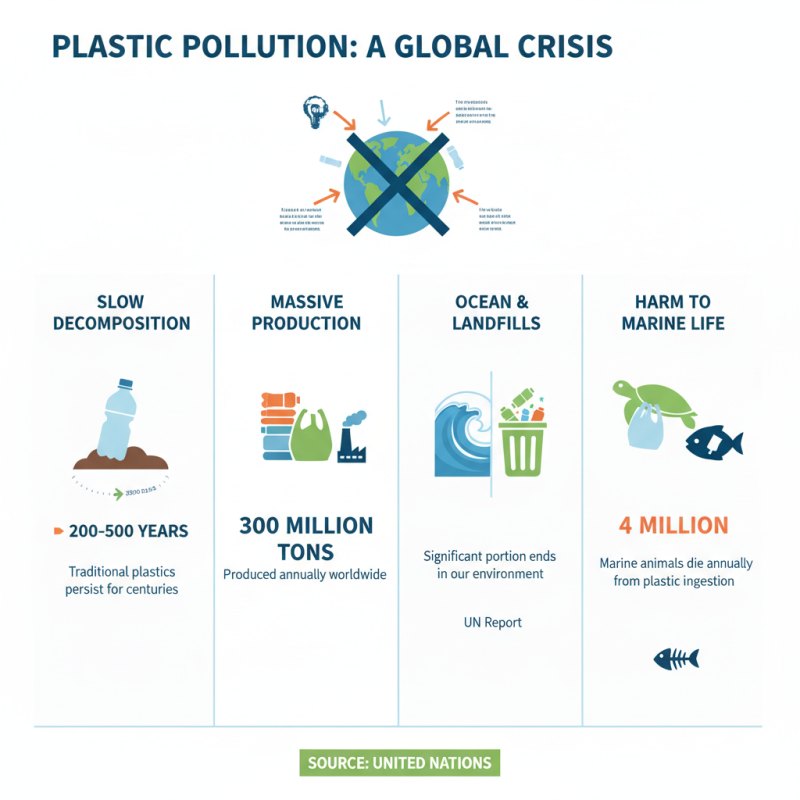
Conventional plastics are a major environmental concern. They take hundreds of years to decompose. According to the United Nations, about 300 million tons of plastic are produced each year. A significant portion ends up in oceans and landfills. The marine ecosystem suffers greatly. Sea life ingests these plastics, leading to illness and death. It’s estimated that 1 million marine creatures die each year due to plastic pollution.
Eco plastics offer a promising alternative. They are often made from renewable resources like cornstarch. These materials break down over time, reducing landfill waste. A study by the Ellen MacArthur Foundation notes that switching to eco plastics could significantly decrease greenhouse gas emissions. For instance, the production of bio-based plastics emits 30% less carbon dioxide than traditional methods. However, eco plastics are not without flaws. Some still require specific conditions to decompose, which can limit their effectiveness.
Awareness about eco plastics is growing, yet challenges remain. The production costs can be higher. Many consumers still prefer cheaper plastic options. Education around the benefits of eco products is essential. Without proper understanding, the transition will be slow. Society needs to take a closer look at its plastic habits. There’s a long way to go in making sustainable choices mainstream.
Industry Trends: Market Growth and Consumer Demand for Eco Plastics
The eco plastics market is rapidly evolving. According to a recent report by Grand View Research, the global eco plastics market was valued at approximately $8 billion in 2022. It is projected to expand at a compound annual growth rate (CAGR) of over 10% from 2023 to 2030. This growth is driven by rising consumer awareness of environmental issues. Many consumers are now seeking sustainable alternatives.
Recent surveys indicate that over 70% of consumers prefer products made from eco-friendly materials. They are more likely to choose brands that prioritize sustainability. However, the industry still faces challenges. Eco plastics often cost more to produce. This can deter manufacturers from fully committing to eco-friendly options. Additionally, recycling systems need improvement. Many cannot effectively process these materials.
Despite these shortcomings, the demand for eco plastics remains strong. Businesses are starting to adapt to this shift. They recognize that sustainability is no longer just a trend. It's a consumer expectation. As the market continues to grow, it’s essential for producers to innovate. They must balance cost, production efficiency, and environmental responsibility. The path forward may not be perfect, but it's critical for the planet.
Statistics on Plastic Waste and the Role of Eco Plastics in Mitigation
Plastic waste is a growing global concern. Statistics reveal that over 300 million tons of plastic are produced each year. A significant portion ends up in landfills and oceans. Single-use plastics are particularly problematic. They take centuries to decompose and can harm wildlife and ecosystems.
Eco plastic products emerge as a vital solution. Made from biodegradable or recycled materials, they reduce the amount of virgin plastic production. These products can help lower pollution levels. As more consumers choose eco-friendly options, demand increases. The shift towards eco plastics is essential for a sustainable future. Evidence shows that using such products can decrease plastic waste drastically.
Here are some tips to consider:
- Choose reusable bags, containers, and straws.
- When shopping, prefer products with minimal packaging.
- It’s not always easy to find eco-friendly options, but small changes can lead to significant impacts.
- Stay informed about local recycling programs.
Every effort counts, no matter how small.