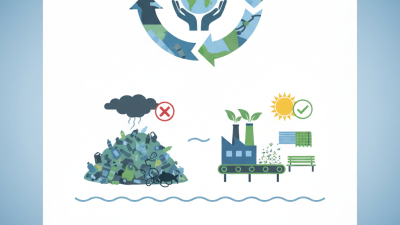
Eco Plastic Solutions for Global Procurement Needs?
In today’s world, the demand for sustainable materials is rising. Eco plastic has emerged as a solution to global procurement needs. According to Dr. Emily Cordell, a leading expert in the eco plastic industry, “Our future depends on our ability to innovate with materials that respect our planet.”
Eco plastic offers alternative materials derived from renewable resources. These materials can reduce dependency on traditional plastics. However, challenges persist in production and scalability. Not every eco plastic product meets durability standards. Companies must assess the true environmental impact before widespread adoption.
The eco plastic industry is filled with possibilities yet fraught with difficulties. Sustainable alternatives must balance performance and environmental benefits. As we explore these solutions, we recognize the need for continuous improvement. The journey toward a fully sustainable future is ongoing, and the conversation must continue.

The Rise of Eco-Friendly Plastics in Global Procurement
Eco-friendly plastics are becoming crucial in global procurement. Companies are increasingly turning to these materials to meet sustainability goals. According to a report by Research and Markets, the global bioplastics market is expected to exceed 30 billion USD by 2024. This shift shows a growing recognition of eco-friendly options in industries that heavily rely on plastic.
Many procurement professionals are now tasked with finding these sustainable alternatives. For instance, a recent study revealed that 67% of consumers prefer products made with sustainable materials. This demand pushes companies to reassess their supply chains, ensuring they align with eco-conscious practices. However, the challenge lies in balancing cost and availability. The transition to eco-plastics often comes with higher initial costs, which smaller firms might struggle to afford.
Consider integrating eco-friendly options incrementally. Start small by converting a portion of your products to sustainable materials. Monitor performance before wider implementation. Evaluate suppliers not only on price but also on their environmental impact. Share your findings with stakeholders; it fosters collaboration. While the road to full sustainability may seem daunting, the incremental steps can facilitate meaningful change.
Understanding the Environmental Impact of Traditional Plastics
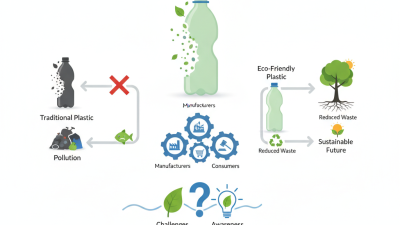
Traditional plastics have a significant environmental impact. They contribute to pollution and climate change. Manufacturing plastics demands vast resources, including fossil fuels, which deplete our planet’s reserves. Moreover, plastic waste often ends up in oceans and landfills. This leads to harmful effects on wildlife and ecosystems.
It’s essential to reconsider our reliance on conventional plastics. Transitioning to eco-friendly alternatives can reduce these impacts. Biodegradable materials and recycling initiatives show promise. They can lessen the carbon footprint of our industries. Consumers should seek out products with sustainable packaging. Awareness of how our choices affect the environment is crucial.
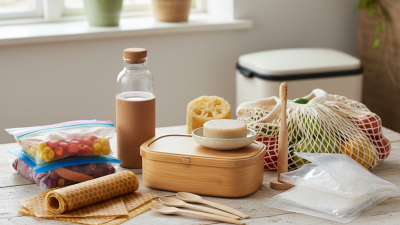
For those looking to make a difference, small changes can have big effects. Choose reusable bags and containers to cut down on waste. Support brands that prioritize sustainability in their production. Educate others about the importance of reducing plastic consumption. Together, these efforts can lead to a healthier planet.
Key Innovations in Eco Plastic Materials and Technologies
The advancement of eco plastic materials and technologies addresses the growing global demand for sustainable solutions. Innovations, such as bioplastics derived from renewable resources, have gained significant traction. According to a recent report by MarketsandMarkets, the global bioplastics market is projected to reach $44 billion by 2024, highlighting a vital shift toward sustainable procurement. These materials, which can be derived from sources like corn starch or sugarcane, offer an alternative to traditional petroleum-based plastics.
In addition, companies are exploring advanced recycling technologies. Chemical recycling allows for the breakdown of plastics into their initial monomers, enabling new products' creation without degrading material quality. A study from the Ellen MacArthur Foundation estimates that this approach could save up to 30% of greenhouse gas emissions compared to virgin plastic production. However, scaling these technologies remains a challenge, with only a fraction of plastics currently being recycled through advanced methods.
For businesses aiming to shift towards eco-friendly procurement, consider these strategies. Identify suppliers focusing on sustainable materials. Engage in partnerships that prioritize innovation in eco plastics. Monitoring developments in bioplastics can help stay ahead in the competitive landscape. Embracing these changes can contribute to a more sustainable future for global industries, even if challenges persist in implementation and adaptation.
Challenges Faced in Implementing Eco Plastic Solutions Globally
Implementing eco plastic solutions on a global scale presents significant challenges. Countries vary widely in their environmental regulations. All regions have different levels of infrastructure and technological readiness. This inconsistency makes it difficult to establish a uniform approach to eco plastic production and distribution.
Local needs often conflict with global sustainability goals. Some regions prioritize economic growth over environmental impact. This can lead to resistance against adopting eco-friendly materials. Additionally, high initial costs for eco plastics deter many businesses from making the switch. Financial viability needs careful consideration when exploring green alternatives.
Consumer perception plays a crucial role too. Many still view eco plastics as inferior to traditional options. Misinformation and lack of awareness contribute to this issue. Overcoming these barriers requires education and transparent communication about the benefits of eco plastics. Shared knowledge can help build trust and acceptance among consumers and businesses alike.
Strategies for Integrating Eco Plastics into Supply Chains
Integrating eco-friendly plastics into supply chains presents both opportunities and challenges. Companies must recognize the importance of sustainability while navigating complex procurement landscapes. Embracing eco plastics can enhance brand reputation, but it requires careful planning. Businesses should evaluate their current materials and identify eco-friendly alternatives that meet performance requirements.
Training staff on the benefits and uses of eco plastics is crucial. Employees need to understand how these materials can improve their operations. Establishing partnerships with suppliers who specialize in sustainable materials is also vital. Such collaborations can lead to innovative solutions and shared knowledge. However, not all eco plastics are created equal, and companies may struggle to find suitable options that match their existing capabilities.
The transition to eco plastics isn't without its hurdles. Companies often face initial higher costs and logistical challenges. These factors can lead to hesitance in adoption. Moreover, ongoing research is necessary to ensure effective integration across various sectors. Companies need to reflect on their long-term goals and be open to trial and error. Sustainability is an evolving journey, and each step toward using eco plastics contributes to a larger positive impact.
Eco Plastic Solutions for Global Procurement Needs
| Material Type |
Source |
Environmental Impact (CO2 Emissions) |
Cost per Ton |
Potential Use Cases |
| Biodegradable PLA |
Corn Starch |
1.5 kg CO2/kg |
$1,200 |
Packaging, Disposable Cutlery |
| Recycled HDPE |
Post-Consumer Waste |
0.5 kg CO2/kg |
$800 |
Bottles, Containers |
| Bio-Based PET |
Sugarcane |
0.8 kg CO2/kg |
$1,000 |
Beverage Bottles, Textiles |
| Compostable Polymer Blends |
Vegetable Starch & Polymers |
1.2 kg CO2/kg |
$1,500 |
Food Service Products, Bags |