How to Effectively Recycle Plastic at Home for a Greener Planet
As the world grapples with the mounting challenges of plastic waste, finding effective ways to recycle plastic at home has become more crucial than ever. With millions of tons of plastic ending up in landfills and oceans each year, the responsibility falls on individuals to adopt sustainable practices that contribute to a cleaner, greener planet. In this context, understanding how to properly recycle plastic at home is not only beneficial for the environment, but it also empowers households to take an active role in combating pollution and preserving natural resources.
By implementing simple yet impactful recycling strategies, families can reduce their plastic footprint while fostering a culture of sustainability. From sorting and cleaning plastic items to exploring innovative ways to repurpose materials, the journey of recycling plastic can be both educational and rewarding. Moreover, engaging in these practices not only benefits the environment but also encourages community awareness and participation in eco-friendly initiatives. In the following sections, we will delve into practical steps and tips that individuals can adopt to effectively recycle plastic at home, inspiring more people to take action in the fight against plastic waste.
Understanding Different Types of Plastic and Their Recycling Codes
Recycling plastic effectively at home begins with understanding the different types of plastic and their associated recycling codes.
Plastics are classified into seven categories, each designated by a specific number within the recycling triangle.
The most commonly recycled plastics are Type 1 (PETE) and Type 2 (HDPE), which account for about 80% of the plastic recycled in the United States, according to the Environmental Protection Agency (EPA).
Type 1 plastics, typically found in water bottles and soda containers, are widely accepted due to their high recyclability and demand in the market.
Type 3 (PVC), Type 4 (LDPE), Type 5 (PP), and Type 6 (PS) have lower recycling rates due to various complications such as contamination and limited processing capabilities.
For instance, PVC, often used in plumbing pipes and clear food packaging, is difficult to recycle and not accepted in many curbside programs.
Conversely, Type 5 plastics are increasingly being recognized for their recyclability, with an upward trend in recycling initiatives targeting yogurt containers and similar products.
Understanding these categories not only helps households sort their plastics more effectively but also drives better recycling practices within communities and ultimately contributes to lowering the amount of plastic waste in landfills.
Setting Up a Home Recycling Station for Plastic Waste
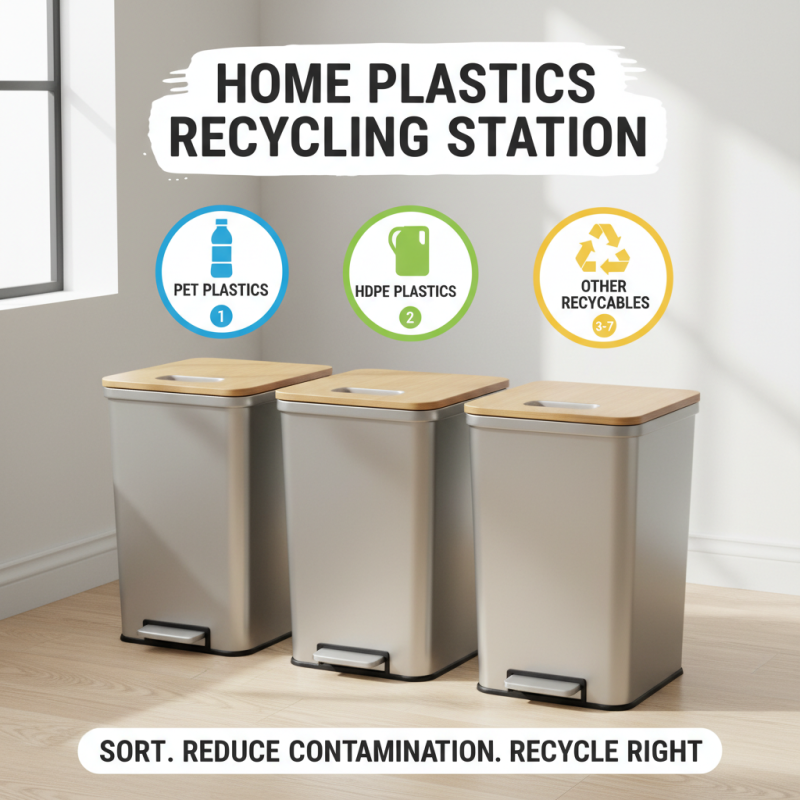
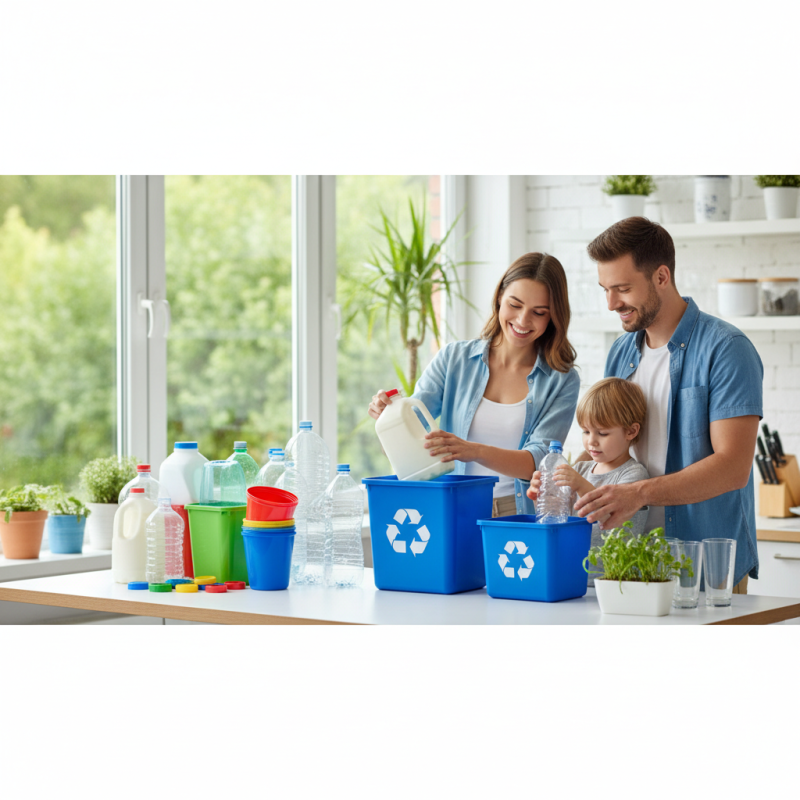
Setting up a home recycling station for plastic waste is an essential step towards creating a sustainable environment. Begin by designating a specific area in your home, such as a corner of the kitchen or garage, where you can set up bins for different types of plastic. Label these bins clearly, distinguishing between types like PET, HDPE, and other recyclable plastics. This will help streamline the recycling process and ensure that you’re sorting correctly, reducing contamination which can hinder recycling efforts.
Once your station is established, it’s beneficial to educate everyone in your household about the importance of recycling and how to do it right. Include a small guide or infographic on the wall next to your bins that outlines which plastics are accepted and how to prepare them. This can involve rinsing containers to remove food residue and removing caps or labels where necessary. By creating a system that is easy to use and understand, you foster a recycling culture at home that contributes to a greener planet. Regularly check and empty the bins to maintain a tidy space, and consider establishing a routine for taking collected plastics to your local recycling facility.
Best Practices for Cleaning and Preparing Plastics for Recycling
To effectively recycle plastic at home, proper cleaning and preparation are crucial steps that can significantly enhance the recycling process. According to the Environmental Protection Agency (EPA), approximately 9% of the plastic produced in the U.S. gets recycled, primarily because contaminants on plastic materials can hinder recycling efforts. Household items, such as bottles and containers, should be rinsed thoroughly to remove any residual substances, as leftover food or liquids can make recycling challenging.
When preparing plastics for recycling, always remove any caps or lids, as they are often made from different types of plastic that may not be accepted in your local recycling program. Additionally, ensure to flatten plastics and avoid putting them in plastic bags unless specified by your local guidelines. According to a report by the National Recycling Coalition, clean and well-sorted materials can increase the efficiency of recycling facilities, leading to more plastics being turned into new products rather than ending up in landfills.
**Tips:**
- Cut larger plastic items into smaller pieces to make them easier to handle during the recycling process.
- Always check your local recycling guidelines, as not all regions accept the same types of plastics.
- Consider using a designated storage bin for recyclables to keep them organized and ready for collection.
How to Find Local Recycling Programs and Drop-off Locations
Finding local recycling programs and drop-off locations is crucial for effectively recycling plastic at home. According to a report by the Environmental Protection Agency (EPA), only about 9% of plastic waste is recycled in the United States, highlighting the need for better access to recycling services. To contribute to a greener planet, homeowners should actively seek out local resources. Many communities have dedicated recycling centers that accept a variety of plastics, often including items that may not be eligible for curbside pickup, such as hard plastics and yogurt containers.
To locate these programs, residents can visit websites such as Earth911 or local government pages, which often provide an interactive recycling locator tool. Additionally, many municipalities have mobile apps or hotlines for residents to inquire about pickup schedules and acceptable materials. Engaging with community groups on social media can also yield information on upcoming recycling events or new drop-off locations. Participating in these programs not only helps divert plastic waste from landfills but also fosters a sense of community responsibility toward environmental sustainability.
Plastic Recycling Rates by Type in the U.S. (2021)
This chart illustrates the recycling rates of different types of plastics in the United States for the year 2021. The data highlights the importance of recycling various plastic types to promote a greener planet.
Creative Ways to Repurpose Plastic Items Before Recycling
Repurposing plastic items before recycling is an innovative approach that not only prolongs the life cycle of these materials but also significantly reduces environmental impact. According to a 2021 report from the World Economic Forum, approximately 300 million tons of plastic are produced each year, with a staggering 91% of this plastic never being recycled. By creatively reimagining how we use plastic items, we can divert this waste from landfills and reduce our reliance on new plastic production.
One popular method of repurposing is transforming plastic containers into planters. With minimal effort, old milk jugs or soda bottles can be cut and converted into functional pots for herbs or small plants. This not only gives these items a new purpose but also encourages home gardening, which can lead to a sustainable source of food. Furthermore, according to the Plastic Pollution Coalition, reusing items like plastic bags as trash liners or storage solutions can help decrease the demand for new packaging, thereby further reducing plastic waste.
Another creative way to repurpose plastic is by using it for DIY projects. For instance, creating storage organizers from plastic food containers or crafting bird feeders from plastic bottles can enhance home organization while providing a fun, hands-on activity. Engaging in these projects not only minimizes plastic waste but also inspires others in the community to re-evaluate their consumption habits. A study conducted by the Ellen MacArthur Foundation found that promoting such repurposing practices can advance circular economy initiatives and significantly mitigate plastic pollution on a global scale.
How to Effectively Recycle Plastic at Home for a Greener Planet - Creative Ways to Repurpose Plastic Items Before Recycling
| Plastic Item |
Creative Repurpose Idea |
Recycling Process |
| Plastic Bottles |
Planters for flowers or herbs |
Check local guidelines for bottle recycling. |
| Milk Jugs |
Storage containers for tools or toys |
Rinse and recycle with curbside collection. |
| Tupperware |
Organizers for small items |
Check for local recycling facilities. |
| Plastic Bags |
DIY reusable bags from multiple bags |
Return to designated recycling points. |
| Egg Cartons |
Seed starters for gardening |
Recycle through curbside or compost if accepted. |