5 Recycle Symbol Tips Every Global Buyer Should Know

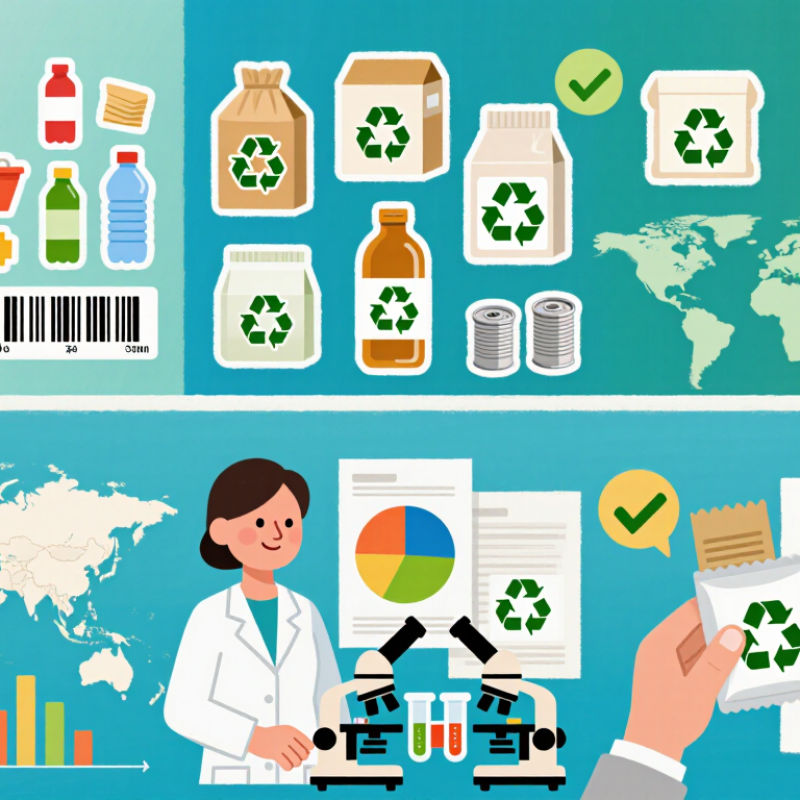
A small triangle can influence a global buying decision. Printed beside a barcode, the recycle symbol may suggest responsibility, safety, and easy recovery. Yet its meaning changes across materials, markets, and collection systems. A symbol on a package does not guarantee that local facilities will accept it.

The OECD’s Global Plastics Outlook reports that only 9% of plastic waste was recycled worldwide in 2019. The United Nations Environment Programme also warns that plastic pollution could be reduced by 80% by 2040 through better product design, reuse, recycling, and stronger systems. These figures matter at the loading dock. A buyer may approve a carton in Germany, then discover that the same carton lacks suitable recovery infrastructure in Indonesia or Brazil.

Dr. Jenna Jambeck, a leading plastic-waste researcher, has stated, “There is no one solution to the plastic pollution problem.” Her warning applies directly to packaging labels. The recycle symbol is useful, but it is not a complete sustainability certificate. Buyers should examine the material, symbol type, local acceptance, certification, and supplier evidence. Look closely. Ink can promise more than infrastructure can deliver.

This guide introduces five practical tips for global purchasing teams. It will explain how to distinguish resin identification codes from genuine recycling claims, verify regional collection rules, and question vague supplier language. It will also acknowledge an uncomfortable limitation: recycling data is often incomplete, inconsistent, or several years old. That makes careful verification necessary. A familiar symbol deserves attention, not automatic trust.
5 Recycle Symbol Tips Every Global Buyer Should Know

Understanding What the Recycling Symbol Really Means

The three chasing arrows do not always mean an item is recyclable. They often identify the plastic resin used in packaging. A number inside the symbol can help buyers understand material type, not its full environmental outcome. Local collection systems, sorting equipment, and market demand also matter. That difference is easy to miss.

Check the number, then check the complete package. A bottle may have a recyclable body but a different cap, label, or adhesive. These parts can affect sorting and recovery. Ask suppliers for material specifications and recent test records. Do not rely on the symbol alone. Packaging samples should be inspected before large orders, especially when several materials are bonded together.

Use local recycling guidance for every target market. Rules vary between cities and countries. A package accepted in one port may be rejected in another. Look for clear statements from municipal agencies, qualified recyclers, or recognized certification bodies. I once treated a familiar symbol as a complete answer; that assumption was too simple. Buyers should record the resin code, package components, disposal instructions, and verification date. Keep evidence.

The symbol is a clue, not a promise.

5 Recycle Symbol Tips Every Global Buyer Should Know - Understanding What the Recycling Symbol Really Means

Tip Symbol or Code What It Actually Means Typical Material Important Limitation Recommended Buyer Action
1 ♻; Mobius loop The packaging or product may be technically recyclable, or may contain recycled material if a percentage is shown inside or beside the symbol. Paper, cardboard, glass, metal, or plastic items It does not guarantee that local collection, sorting, or reprocessing facilities accept the item. Confirm recyclability in the destination market and request the percentage of post-consumer recycled content separately.
2 Resin code 1–7 The number identifies the primary plastic resin used in the item; it is a material-identification code, not a universal recycling approval. 1 PET, 2 HDPE, 3 PVC, 4 LDPE, 5 PP, 6 PS, 7 Other Acceptance varies by country, municipality, format, color, size, and contamination level. Specify the resin, additives, colors, and multilayer structure in the packaging specification, then verify local acceptance.
3 Green Dot In markets where the mark is licensed, it generally indicates that a financial contribution has been made to a packaging-recovery system. Various packaging formats It is not, by itself, proof that the package is recyclable or made from recycled material. Treat recovery-fee compliance and recyclability as separate checks during supplier approval.
4 Compostable symbol The item is intended to biodegrade under specified composting conditions when supported by an applicable standard or certification. Certain certified compostable plastics, paper products, and fiber items Industrial composting may require controlled heat, moisture, oxygen, and processing time; home composting is not automatically suitable. Request the relevant standard, test evidence, certification scope, and disposal instructions for the target country.
5 Material and disposal labels Words such as “check locally,” “widely recycled,” or “not recyclable” communicate disposal guidance that may be specific to a market. Any packaging material, including mixed or composite formats Collection rules and labeling requirements differ between jurisdictions and can change over time. Use market-specific disposal instructions and validate claims against current local regulations before printing.

Note: Recycling symbols communicate material or recovery information; they do not independently guarantee collection, recyclability, recycled content, or environmental performance.

Decoding the Numbers and Letters Inside the Symbol

5 Recycle Symbol Tips Every Global Buyer Should Know

Decoding the Numbers and Letters Inside the Symbol

The triangle on a package does not automatically promise recyclability. It usually contains a resin identification code, numbered 1 through 7, with letters naming the plastic type. Code 1 means PET, while code 2 identifies HDPE. Code 5 commonly indicates polypropylene. Code 7 means “other,” so the material needs closer review. The symbol may look reassuring. It can mislead.

During packaging checks, inspect the container base, cap, label, and adhesive separately. A bottle marked PET 1 may have a PP 5 cap. Those parts can follow different sorting routes. Flexible films also create problems, even when their resin code appears familiar. Ask suppliers for the full material specification, not only a printed symbol. Request test samples, too.

The OECD Global Plastics Outlook reported that the world generated 353 million tonnes of plastic waste in 2019, but recycled only 9%. That figure shows why accurate labeling matters. A code identifies composition, not local collection access. Rules vary between countries, cities, and even facilities. Check municipal guidance before promising recyclability to customers. I still find the symbol too easy to overtrust. A clearer label would help, but packaging decisions remain more complicated than one number.

Checking Regional Recycling Rules Before Buying

5 Recycle Symbol Tips Every Global Buyer Should Know

Checking local recycling rules before buying is more reliable than trusting a familiar symbol. A triangle with numbers identifies material type, not guaranteed recycling access. Ask the supplier which facilities accept the item in your destination market. Then verify the answer through the local waste authority. Rules can differ between neighboring cities.

Check the full package, including labels, caps, coatings, and adhesives. A recyclable bottle may become difficult to process when its sleeve covers most of the surface. Look for clear material codes and request test results from the manufacturer. Also confirm whether the product needs separation before disposal.

Small details matter. I once assumed a simple symbol meant universal acceptance, and that assumption was wrong.

Compare the claim with regional collection rates and infrastructure. The OECD’s Global Plastics Outlook reported that only 9% of global plastic waste was recycled in 2019, while 22% was mismanaged. The World Bank’s What a Waste 2.0 estimated 2.01 billion tonnes of municipal solid waste were generated in 2016. Waste volumes are expected to rise sharply by 2050. These figures show why access matters more than packaging appearance. Ask whether the market has collection points, sorting capacity, and documented end markets. Keep written evidence, because recycling guidance can change. Even a supplier’s confident answer deserves checking.

Distinguishing Recyclability from Environmental Marketing Claims

5 Recycle Symbol Tips Every Global Buyer Should Know

A recycle symbol is a clue, not a guarantee.

Tip one: read the number and letters inside it. They identify a material category, not automatic acceptance.

Tip two: check the destination’s collection rules. A package may be technically recyclable but unavailable to local sorting facilities. Ask for current guidance from waste authorities or qualified recycling operators. Global purchasing requires local verification.

Tip three: request evidence behind every environmental claim. Useful documents may include material specifications, test results, and written supplier declarations. Vague phrases like “green” or “earth-friendly” prove very little.

Tip four: separate recyclability from recycled content. A product can contain recycled material yet remain difficult to recycle. The reverse can also happen. Do not treat one claim as proof of the other.

Tip five: examine the full recovery route. Confirm collection, sorting, processing, and a realistic end market. Ask who handles each stage and how often the route operates.

I once assumed a clear symbol meant easy recovery. That assumption was wrong.

Symbols can be misunderstood, especially across markets. They are not always consistent. Keep records of decisions, challenge unsupported wording, and revisit the assessment when packaging or local infrastructure changes.

Verifying Packaging Materials and Supplier Compliance Documents

5 Recycle Symbol Tips Every Global Buyer Should Know

Verifying Packaging Materials and Supplier Compliance Documents

A recycle symbol is a starting point, not proof of recyclability. Check the number, letters, and material description against the supplier’s technical data sheet. The symbol may identify resin content only. It may not confirm local collection or processing options. Keep this distinction clear.

Inspect every packaging layer. Ask about films, caps, labels, adhesives, coatings, and inks. A carton can look recyclable while its laminated inner layer changes the material classification. Request a component-level material declaration, not a single general statement. Compare it with a production sample. Small details matter.

Review supplier compliance documents before approving artwork. Useful records may include test reports, declarations, factory quality procedures, and certificates with clear issue dates. Check the issuing body, product scope, material scope, and manufacturing site. Expired documents are common. They should not pass unnoticed. A supplier’s document may cover one package size, but not another. Confirm the exact item and destination market.

Ask how the symbol was selected and who approved it. Keep written answers with purchase records. Requirements differ between markets and can change. Recheck them before a major order. My own review habit is not perfect; attractive artwork can create false confidence. That is why physical samples and current evidence should support every recycling claim.