Essential Tips for Using a Geomembrane Welding Machine?
Using a geomembrane welding machine is essential for various construction and environmental projects. These machines create strong, waterproof seals for geomembrane liners. Proper usage ensures durability and effectiveness in applications like landfills and ponds.
When operating a geomembrane welding machine, attention to detail is crucial. Temperature settings must be exact. Too hot can damage materials; too cold can lead to weak seams. Regular inspections of the equipment can prevent failures. It's not just about the machine; the operator's skill matters too. A trained operator greatly enhances the quality of the weld.
However, challenges do arise. Sometimes, unexpected results occur. Perhaps a seam fails during testing, prompting a review of the process. A thoughtful approach is necessary. Evaluate what went wrong. Learning from mistakes leads to better outcomes next time. Proper training, thorough checks, and awareness of the machine's capabilities are vital for success.
Understanding the Basics of Geomembrane Welding Machines
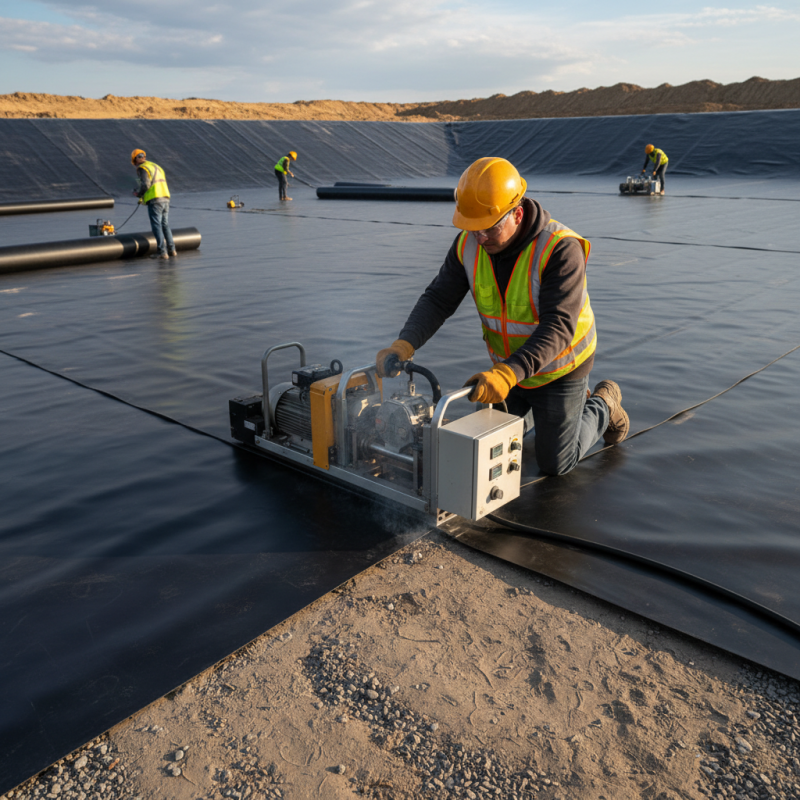
Geomembrane welding machines play a critical role in various construction projects, particularly in waterproofing and containment applications. Understanding their basic functions is essential for effective usage. These machines generate heat to fuse geomembranes together, creating strong, durable seams. Users must ensure the welding temperature is appropriate for the specific material being used. Too high a temperature can damage the geomembrane, while too low may result in weak bonds.
It's important to select the right type of welding method. Common techniques include hot wedge welding and extrusion welding. Each method has its advantages and considerations. Hot wedge welding is efficient for large areas, while extrusion welding is suitable for repairs or detailing. Operators should take time to practice with the machine before starting a project. Familiarizing oneself with the controls can prevent costly mistakes.
Regular maintenance of the machine is crucial. Clean welding surfaces to ensure proper adhesion. Dirt and debris can lead to failures in the seams. Frequent inspections for wear and tear can save time and resources. Users might occasionally find some techniques challenging. Confronting these difficulties can enhance overall skill. Embracing a learning mindset is vital for success in geomembrane welding.
Different Types of Geomembrane Welding Techniques
Geomembrane welding techniques vary widely, tailored to meet specific project needs. Hot air welding is among the most common methods. It uses a high-temperature air stream to melt and fuse seams. Operators need precision to control the heat output. Too much heat can damage the membrane, while too little may lead to weak seams. It requires practice, as operators must gauge the optimal speed and pressure.
Another popular technique is extrusion welding. This method involves feeding a plastic rod into a welding extruder. The heated rod melts and is pressed into the seam. This technique is effective for thick or heavily stressed membranes. However, it can be challenging to achieve uniformity, often resulting in inconsistent seams. Attention to detail is crucial here, as any oversight can lead to future leaks.
Vibratory welding is also gaining traction. This technique generates friction through vibration, fusing materials without extra heat. It minimizes thermal distortion but requires skilled operators. Learning the right vibration frequency can take time. Each technique offers unique benefits, but none are foolproof. Mistakes can lead to costly repairs later. Proper training and experience are indispensable for success.
Preparing the Work Area for Effective Welding
Creating a suitable work area is vital for effective geomembrane welding. Begin by selecting a clean, well-lit space. Ensure the area is free from debris and any obstacles. It is easy to overlook these details, but they impact the quality of your welds. A cluttered environment can distract you and lead to mistakes.
Tips for preparing the workspace include measuring the dimensions of the geomembrane. Make sure there is enough room to maneuver while handling the materials. Consider temperature and wind conditions too. Extreme temperatures can affect the welding process. Wind can blow debris onto your work, compromising the weld's integrity. Setting up windbreaks or using tarps can help.
When inspecting the geomembrane, look for any imperfections or damages. These issues can hinder your welding efforts. It’s often easy to miss small defects. Use a magnifying glass or a bright flashlight if necessary. Paying attention to such details ensures better results. Sometimes, it's worth stepping back and re-evaluating your setup. Rushing this phase can create problems down the line.
Safety Precautions When Operating a Welding Machine
When operating a geomembrane welding machine, safety should always come first. The equipment can reach high temperatures, posing a risk of burns. According to the American National Standards Institute (ANSI), around 18,000 workplace injuries occur yearly related to welding. Proper safety precautions can significantly reduce these incidents.
Wear protective gear at all times. This includes gloves, goggles, and flame-resistant clothing. These items help guard against sparks and hot materials. Regularly inspect the welding machine for any damage. A faulty machine can lead to accidents. If something feels off, don’t hesitate to ask for help or halt operations. Data shows that about 70% of welding injuries come from improper equipment handling.
Create a clear workspace. Clutter can cause slips and falls. Ensure fire extinguishers are nearby in case of emergencies. Be mindful of your surroundings as well. Inadequate training contributes to many welding accidents. Always seek to improve your skills through additional training sessions. Safety protocols may seem tedious. However, they are essential for ensuring a safe working environment.
Common Troubleshooting Tips for Welding Issues
When using a geomembrane welding machine, issues may arise during the welding process. One common problem is inadequate heat. The optimal welding temperature typically ranges from 380°F to 450°F. If temperatures are too low, the seams may not bond correctly. A report from the Geosynthetic Institute found that over 20% of improper welds are due to temperature issues. Operators should regularly check their machines to ensure they reach and maintain the right heat levels.
Another issue is inconsistent speed. An inconsistent feed rate can lead to weak seams. Ideally, the speed should be between 3 to 6 feet per minute. If an operator goes too fast, the weld may not be sufficiently strong. On the flip side, going too slow can cause overheating and material burn. An industry study shows that approximately 15% of weld failures can be traced back to speed inconsistencies. It's crucial to adjust the speed based on the material being welded and to maintain steady hands throughout the process.
One often overlooked detail is the condition of the geomembrane surfaces. Clean and dry surfaces are essential for a good bond. Contaminants like dirt or moisture can weaken seams dramatically. Data indicates that nearly 30% of welding failures are due to surface contamination. Regular inspections and proper cleaning techniques should be standard practices to avoid future complications.