2025 Guide: How to Work with Recycled Wood for Sustainable Projects
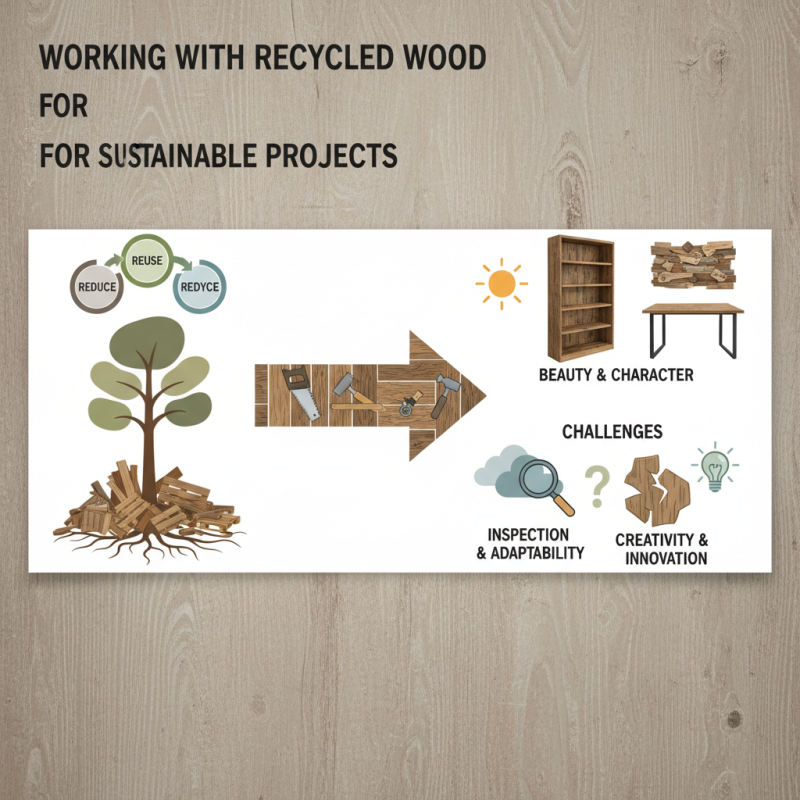
In today's world, the demand for sustainable materials is more pressing than ever. Using recycled wood is a great way to contribute to a greener future. This guide will explore the unique properties and applications of recycled wood. It highlights both the beauty and the challenges of working with this eco-friendly resource.
Recycled wood often comes from old buildings, furniture, or pallets. Its history adds character and depth to any project. However, not all recycled wood is equal. Some may have hidden flaws or inconsistent quality. It’s essential to inspect each piece carefully before use. By doing so, you ensure the durability and aesthetic appeal of your work.
Incorporating recycled wood requires creativity and adaptability. You may face hurdles, such as finding reliable sources or designing projects that utilize its unique shapes and sizes. Embracing the imperfections can lead to innovative solutions. This guide aims to inspire you to see the potential in every plank, making recycled wood a central element of your sustainable projects.
Understanding Recycled Wood: Benefits for Sustainable Projects
Recycled wood offers a sustainable solution for various projects. It has a rich history and character, often showcasing unique grains and colors. This wood is not just eco-friendly; it brings a story to your space. Choosing recycled wood can reduce waste and make a stylish statement. It often requires less energy to process, making it even more beneficial.
When working with recycled wood, understand its limitations. Some pieces may be damaged or unstable. Inspect carefully before use. It’s wise to embrace imperfections. These flaws can add charm to your project. However, consider structural integrity carefully.
Tip: Use reclaimed wood for DIY furniture. It can transform ordinary items into beautiful pieces. Sanding can reveal hidden beauty. Always wear proper safety gear during this process.
Remember, sourcing recycled wood can require more effort. Not every piece will be readily available or affordable. Be patient in your search. This project could take time, but the end result can surpass expectations. The journey can be just as rewarding as the finished item.
2025 Guide: How to Work with Recycled Wood for Sustainable Projects
This chart illustrates the various benefits of using recycled wood for sustainable projects, including cost savings, environmental impact, durability, and availability.
Types of Recycled Wood and Their Applications in Construction
Recycled wood has gained traction in sustainable construction. Various types serve diverse applications. For instance, reclaimed wood, often sourced from old barns or factories, is popular for flooring and furniture. According to a recent report by the Forest Stewardship Council, reclaimed wood usage reduces carbon emissions by 30%. This figure highlights its positive environmental impact.
Another type is recycled timber. It's derived from materials like pallets or crates. Often, it’s used in structural applications. The U.S. Environmental Protection Agency noted that using recycled timber can save about 50% of the energy required to produce new wood products. This data showcases the efficiency of this material.
Yet, working with recycled wood may pose challenges. Sourcing quality materials can be tricky. There's also the issue of inconsistencies in wood quality and integrity. This requires skilled labor for proper inspection and preparation. The balance between aesthetics and durability can lead to difficult decisions. Using recycled wood is a sustainable choice, yet it demands careful consideration.
Tools and Techniques for Working with Recycled Wood
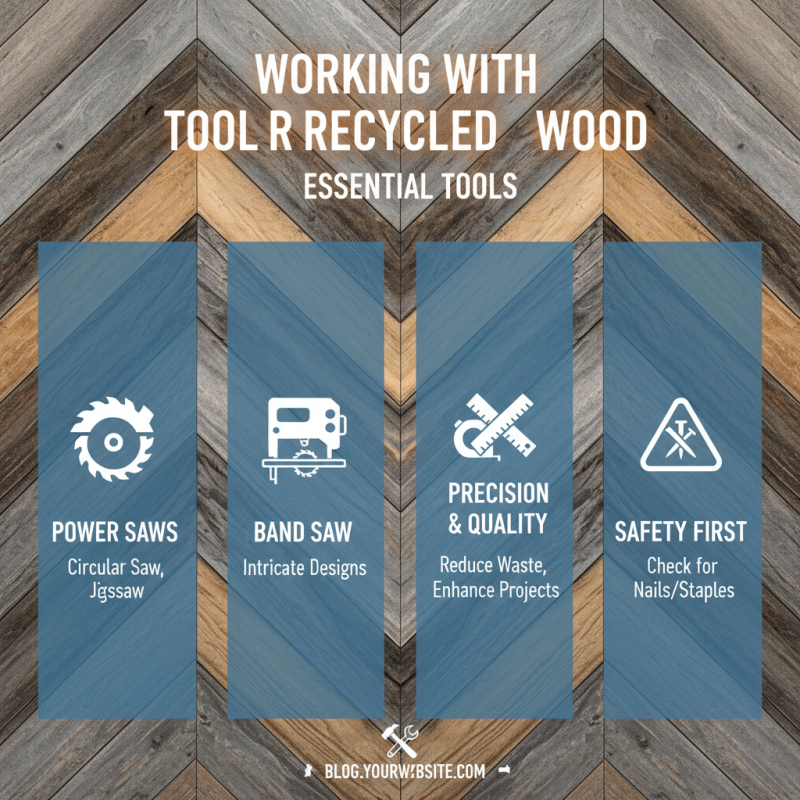
Working with recycled wood presents unique challenges and exciting opportunities. The right tools can make all the difference. Power saws, such as circular saws and jigsaws, are essential for cutting recycled wood efficiently. A band saw is also useful for more intricate designs. These tools allow for precision cuts, reducing waste and enhancing installation quality. Remember, old wood may harbor nails or staples. Always check for these before you begin cutting.
Techniques are just as crucial as tools. Properly cleaning the wood is fundamental. Use a soft brush to remove dirt and debris. Be aware that old wood often has a distinct character. It may be uneven or warped. Sanding can help create a smoother surface, but don’t over-sand. Retaining some imperfections can preserve its history and charm. The National Timber and Wood Construction Association states that using reclaimed wood can reduce carbon emissions by up to 45%.
However, the journey isn’t without hurdles. Uneven grain patterns may affect your project’s outcome. Wood from different sources may expand or contract unpredictably. This inconsistency can complicate precision in building. Keep a flexible mindset. Adapt your techniques as needed to achieve the best results with what you have.
Best Practices for Sourcing and Preparing Recycled Wood
When sourcing recycled wood, it’s crucial to ensure quality and safety. Check for visible defects like cracks or rot. The Wood Utilization + Research for Sustainability (WURS) report indicates that about 20% of reclaimed wood is unsuitable for structural uses. Prioritize sourcing from makers who follow sustainable practices.
Preparing recycled wood requires specific techniques. Clean the surface to remove old finishes and contaminants. According to the U.S. Forest Service, contaminants can add risks. Using a chemical-free method is best. Regular sandpaper can help, but it may not clean deeply enough. Consider investing time and care in this part of the process.
Don’t overlook the importance of storage. Excess moisture can warp wood. The National Association of Home Builders states that well-stored wood can maintain its integrity for years. Yet many projects fail because of improper handling. Patience is essential in working with recycled materials. Embrace the natural imperfections; they tell a story.
Eco-Friendly Finishing Options for Recycled Wood Projects
When working with recycled wood, eco-friendly finishing options are crucial. Many artisans choose water-based finishes. They are less toxic and emit fewer volatile organic compounds (VOCs). A study showed that these finishes can reduce harmful air pollutants by up to 70%. This is significant for indoor projects where air quality matters most.
Natural oils and waxes also stand out as great choices. They enhance the wood's beauty while being safe for the environment. These options often require more maintenance, though. They need reapplication every few years, which some may find inconvenient. Yet, the charm of a well-maintained finish can outweigh this drawback.
Sustainable projects often involve mismatched grains and colors in recycled wood. This can lead to unexpected design outcomes. It's essential to embrace these imperfections. They tell a story of the wood's past. Some may prefer the uniformity of new materials. However, the unique character of recycled wood can result in stunning visuals. This perspective shift is vital for those committed to sustainable building.
2025 Guide: How to Work with Recycled Wood for Sustainable Projects
| Dimension |
Description |
Eco-Friendly Finishing Options |
| Wood Type |
Type of recycled wood (e.g., reclaimed barn wood, urban lumber) |
Natural oils, Eco-friendly varnishes |
| Sustainability Factor |
Percentage of recycled content in the wood |
Water-based finishes, Organic wax |
| Treatment Method |
Methods used to treat and finish the wood |
Zero-VOC stains, Natural dyes |
| Durability |
Expected lifespan and durability of recycled wood |
Hardwood finishes, UV-protected coatings |
| Cost |
Average cost per square foot of recycled wood |
Cost-effective non-toxic sealers, Bulk purchase discounts |
| Application |
Types of projects suitable for recycled wood (e.g., furniture, flooring) |
Biodegradable finishes, Non-toxic adhesives |