How to Identify and Understand the Recycle Symbol?
Understanding the recycle symbol is crucial in today’s eco-conscious world. This symbol is a universal sign of sustainability. It guides consumers on how to dispose of products responsibly. However, many people overlook its importance.
The recycle symbol appears as three arrows forming a triangle. Each arrow represents a cycle in the recycling process. Despite its prominent display, many struggle to interpret its meaning. This confusion often leads to improper disposal. It’s essential to delve deeper into what the symbol stands for. Knowledge empowers action, and understanding fosters responsible behavior.
Furthermore, different materials have different recycling guidelines. This variation further complicates matters. Awareness of local recycling rules is vital. Unfortunately, many still discard items improperly, missing the chance to participate in sustainability. Engaging with the recycle symbol can inspire change, but only if we strive to comprehend it better.
Understanding the Importance of the Recycle Symbol in Sustainability
The recycle symbol is more than just a logo. It represents a commitment to sustainability. People see it on products daily, but many do not fully understand its importance. Recognizing the recycle symbol can motivate individuals and communities to make sustainable choices. It serves as a reminder that waste can be transformed into valuable resources.
In today's world, where waste accumulates rapidly, the recycle symbol plays a crucial role in encouraging recycling. It signifies that a product can be reprocessed and reused, reducing reliance on new materials. Yet, the message often gets lost. Misunderstandings about what can and cannot be recycled persist. Not all items with the symbol are recyclable in every area. This confusion can lead to frustration when items are discarded improperly.
The journey toward sustainability is ongoing. The recycle symbol emphasizes the importance of making conscious decisions. However, many still overlook it. Building awareness is key. As people learn about recycling's benefits, they can create a positive impact. Choosing to recycle means investing in the future, but it requires effort and commitment. Engaging in discussions about recycling habits can spark change in communities.
Components of the Recycle Symbol: Design and Meaning Explained
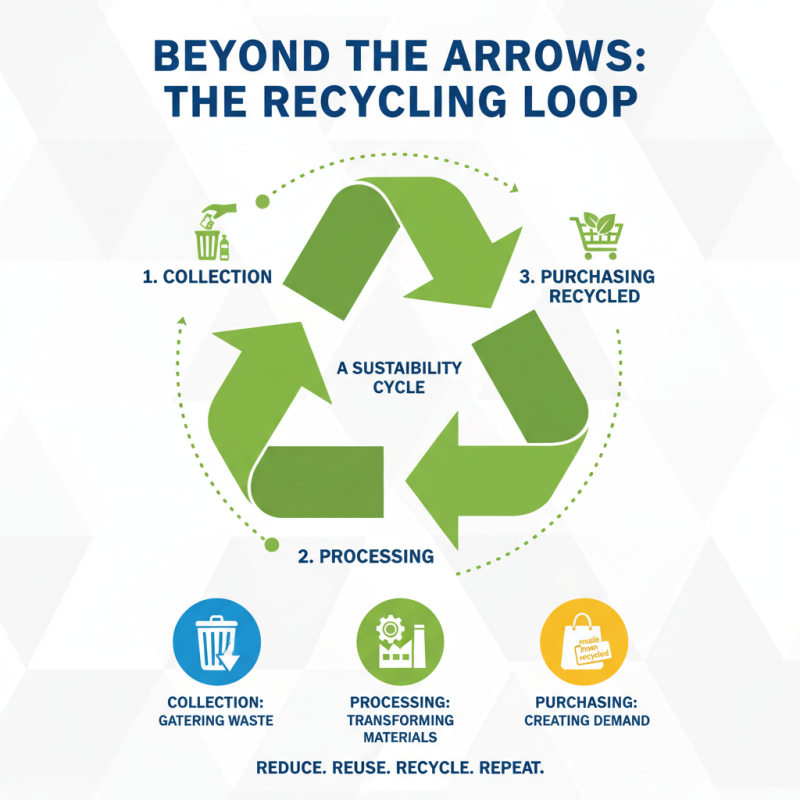
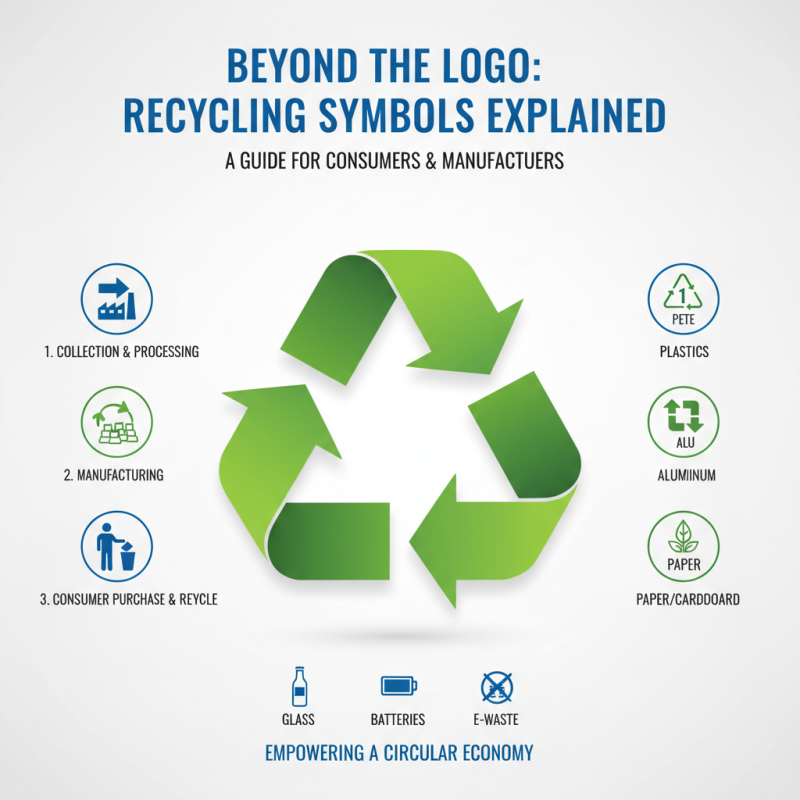
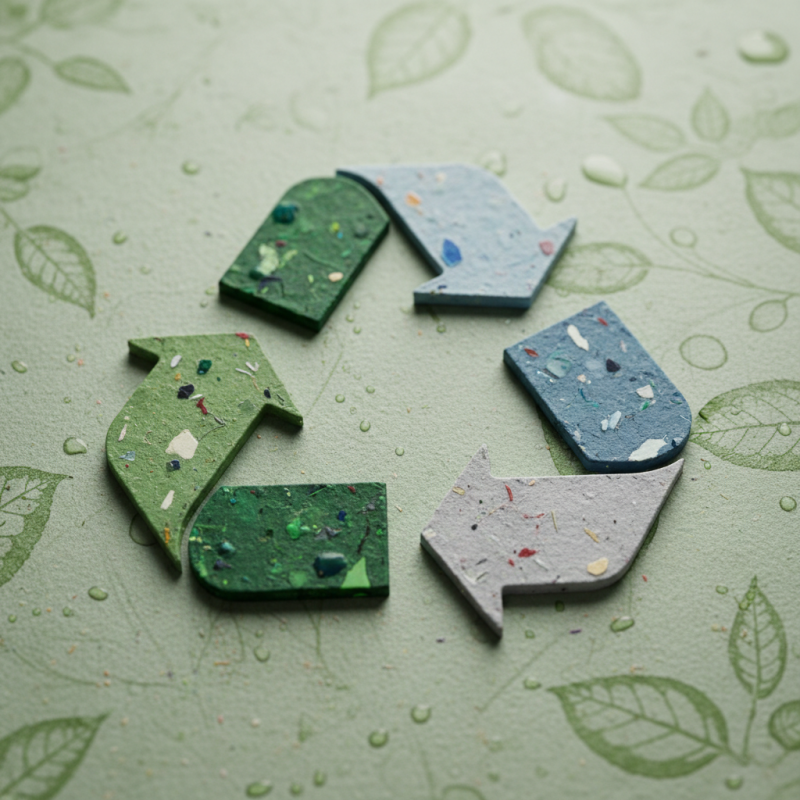
The recycle symbol is more than just an arrowed triangle. It consists of three arrows forming a continuous loop. Each arrow represents a different stage in the recycling process: collection, processing, and purchasing recycled products. This simple design encapsulates a complex system of sustainability.
The colors associated with the recycle symbol often convey deeper meanings. Green, for example, signifies eco-friendliness, while blue can represent recycling itself. Yet, not all products with this symbol are equal. One might find a product with the recycle symbol that is not recyclable in certain areas. This leads to confusion among consumers about what truly is recyclable.
Understanding the design is crucial but often overlooked. The symbol aimed for universal recognition. However, it sometimes leads to misinformation. Consumers mistakenly believe everything bearing the symbol is recyclable. This calls for deeper education on recycling practices. Such misunderstandings can hinder genuine recycling efforts and waste reduction.
Common Misconceptions About Recycling Symbols
Many people misunderstand the recycling symbol. It’s crucial to know what it really means. The three arrows often lead individuals to believe all items with this symbol are safe to recycle. This assumption is misleading. According to the Environmental Protection Agency, only about 35% of plastic waste is actually recycled.
Consumers may not realize that not all recyclables are created equal. For example, a container with the recycling symbol might not be recyclable in their local program. Some communities accept only specific types of plastics. The recycling symbol cannot guarantee that an item will be recycled. This can create confusion and frustration among individuals trying to do their part for the environment.
Understanding this symbol is vital for effective recycling. Unfortunately, some manufacturers misuse the symbol for marketing. A study shows that 53% of people think items are recyclable just because of the logo. This misconception may lead to more contamination in recycling bins. The result is that less material is processed effectively. As a result, reinforcing accurate information about recycling symbols is essential for meaningful change.
How to Properly Sort and Recycle Based on the Recycle Symbol
Understanding the recycle symbol is crucial for effective recycling. The symbol usually features three chasing arrows in a triangle. Each arrow represents a step in the recycling process: collection, processing, and reuse. Often, you'll find a number inside the triangle. This number indicates the type of plastic. Recycling rules can differ from place to place. It's vital to know what is accepted in your area.
Properly sorting materials is essential. Rinse containers to avoid contamination. Labels can confuse recycling machines. Remove them when possible. Different materials have unique requirements. For example, not all plastics can be recycled together. Glass and metals are typically easier to recycle. You might think you’re doing the right thing by tossing everything in one bin. But this can lead to more harm than good in recycling efforts.
Recycling can be complicated. Sometimes, local guidelines are unclear. It's important to stay informed. Check your local resources for updates. Some items may seem recyclable but aren't accepted. This can lead to frustration. It’s an ongoing learning process for everyone. Challenge yourself to be better informed. Small changes can make a big impact.
How to Identify and Understand the Recycle Symbol? - How to Properly Sort and Recycle Based on the Recycle Symbol
| Material Type |
Recycle Symbol |
Recycling Process |
Notes |
| Plastic (PET) |
♳ |
Washed and melted down to create new products. |
Commonly used for water and soda bottles. |
| Glass |
♻️ |
Crushed and heated to form new glass items. |
High-quality recycling process. |
| Aluminum |
♲ |
Shredded, melted, and formed into new products. |
Recycling uses 95% less energy than new aluminum. |
| Cardboard |
♻ |
Pulped and processed to create new cardboard products. |
Ensure it’s dry and clean before recycling. |
| Paper |
♻️ |
Pulped and turned into new paper products. |
Avoid mixing with plastic-coated paper. |