What Is Plastic Waste Recycling and How Does It Work?

Plastic waste recycling is the process of collecting, sorting, cleaning, and reprocessing discarded plastic into usable materials. It can turn a transparent bottle, food container, or broken packaging item into flakes, pellets, or new products. The goal sounds simple. The reality is not.

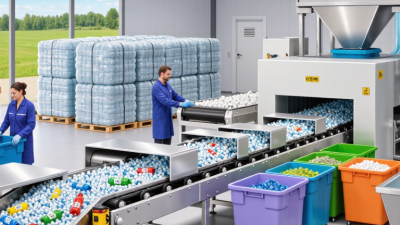
At a recycling facility, workers and machines separate plastics by resin type, color, and condition. Magnets remove metals, while optical scanners identify different plastic polymers. The selected material is washed to remove food, labels, and dirt. It is then shredded, melted, and formed into pellets. Manufacturers may use these pellets for pipes, clothing fibers, furniture, or new packaging. However, not every plastic item can be recycled efficiently. Mixed materials, dark pigments, chemical residues, and severe contamination can reduce quality or increase processing costs.

Practical experience shows that cleaner waste usually has a better chance of recovery. A rinsed bottle is more useful than one containing spoiled liquid. Yet recycling is not a perfect solution. Plastic can lose strength after repeated heating, and some products still require virgin material. Recycling systems also differ between regions, so accepted items should be checked locally. This article explains how plastic waste recycling works, where its benefits are strongest, and why thoughtful design matters. Some claims about recycling deserve careful review. More recycling is helpful, but reducing unnecessary plastic remains important.
What Is Plastic Waste Recycling and How Does It Work?

What Plastic Waste Recycling Means

Plastic waste recycling means turning used plastic items into materials that can serve another purpose. It is more than placing a bottle in a bin. Workers and machines identify, sort, wash, shred, and process the material. Different plastics behave differently under heat, so accurate sorting matters. A food container may need extra cleaning before entering a new production cycle. Small errors can weaken the final material.

In practical terms, recycling connects household habits with industrial quality control. I have seen how damp packaging, leftover sauce, and mixed materials slow sorting lines. Clean, empty containers are easier to handle. Yet recycling is not perfect. Some plastics are too damaged, layered, or contaminated to process efficiently. They may become lower-grade products or require another treatment route. This limitation deserves honest attention.

The meaning also includes energy, transport, and market demand. Collection trucks use fuel, while washing and heating require electricity and water. Recycled material must meet safety and performance requirements. Technical teams test strength, appearance, and contamination levels before reuse. Clear local instructions help, but they can still be confusing. A symbol on packaging does not always guarantee local recyclability. Better recycling depends on reliable collection systems, careful sorting, responsible design, and informed participation. Reducing unnecessary plastic use remains important.

How Plastic Waste Is Collected and Sorted

What Is Plastic Waste Recycling and How Does It Work?

Plastic recycling begins with collection, but local systems vary widely. Households place bottles, containers, and films into designated bins. Collection trucks then deliver these materials to a recovery facility. The OECD’s Global Plastics Outlook (2022) reports that only 9% of global plastic waste was recycled. Much of the problem starts before sorting. Contaminated material often reduces its recovery value.

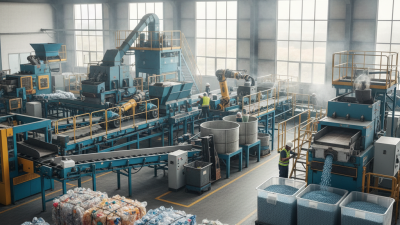
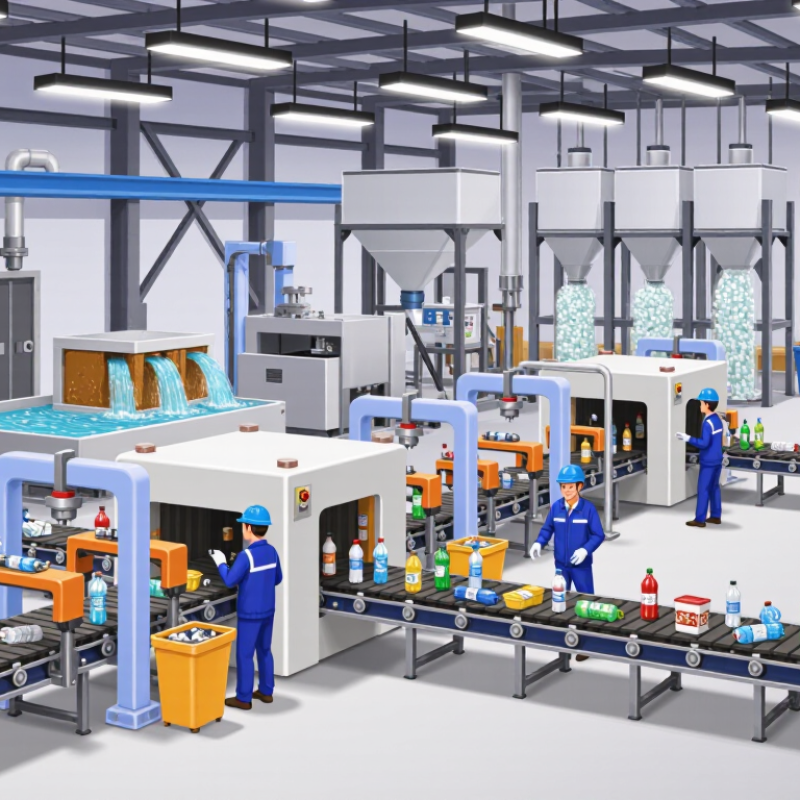
At the facility, workers remove food scraps, hoses, batteries, and other unwanted items. Conveyor belts carry the remaining plastics through several sorting stages. Screens separate materials by size. Magnets remove steel items, while optical scanners identify plastic types by light reflection. Air jets then push selected pieces into separate bins. Workers still inspect the lines because machines make mistakes. A clear bottle beside a dark container can confuse automated systems. Sorting is imperfect. The United Nations Environment Programme noted in 2023 that better collection and sorting are essential for expanding circular plastics systems.

Tips: Keep containers empty and dry. Replace loose caps when local guidance allows it. Do not place plastic bags into ordinary recycling bins unless accepted locally. Check the collection rules first. Labels matter. A rinsed container helps, but excessive washing wastes water. Even careful households cannot solve every system weakness. Consistent instructions, trained workers, and reliable data are still needed.

How Recyclable Plastic Is Cleaned and Processed

Recyclable plastic does not enter a machine and emerge clean. A typical facility receives mixed containers from homes, offices, and public bins. Workers and optical scanners separate bottles, tubs, films, and other materials. Labels, caps, food residue, and stray metal can reduce the final quality. Sorting matters. Different polymers melt at different temperatures and behave differently during processing. Small mistakes can weaken an entire batch.

After sorting, containers are compressed into bales and fed onto a conveyor. Machines remove visible dirt before the plastic reaches a washing line. Water, friction, and controlled heat loosen grease, paper, and adhesive residue. Shredders then cut the plastic into small flakes. A float-sink tank separates materials by density. Some flakes sink. Others float. Clean flakes are rinsed and dried with warm air. Moisture is a quiet problem. Even a small amount can create bubbles during melting.

Dried flakes are melted and pushed through fine filters. The filters catch tiny particles that washing could not remove. The plastic leaves the extruder as thin strands, which are cooled and cut into pellets. Quality technicians check color, moisture, contamination, and melting behavior. Recycling is not perfect. Dark pigments, multilayer packaging, and mixed plastics remain difficult to process. A container may be technically recyclable, yet local equipment may not accept it. That gap deserves more attention. I would not treat every recycled pellet as equally reliable without testing.

How Plastic Is Converted into New Materials

Plastic recycling turns discarded packaging into usable material through several controlled stages. The process begins with collection and sorting by polymer type, color, and form. Optical scanners can identify plastics, but food residue and mixed materials still cause errors. Workers then remove labels, metals, and dirt before shredding the plastic into small flakes.

The flakes are washed, dried, and melted into uniform pellets. Manufacturers can extrude these pellets into sheets, fibers, containers, or construction products. Mechanical recycling is the most established route, yet repeated heating can weaken polymer chains. The resulting material may become less flexible or less transparent. It cannot always return to its original use. According to the OECD Global Plastics Outlook (2022), only 9% of global plastic waste was recycled in 2019. That figure exposes the gap between technical possibility and practical recovery.

Chemical recycling uses heat, solvents, or chemical reactions to break polymers into smaller molecules. These molecules can support new plastic production, although the process may require substantial energy. The International Energy Agency reported in The Future of Petrochemicals that plastics already consume about 14% of global oil demand. Better recycling could reduce some virgin material demand, but collection quality remains decisive. A greasy tray can contaminate an entire batch. This is easy to underestimate. Industry reports often measure processing capacity, not the amount of material successfully converted into durable products.

What Is Plastic Waste Recycling and How Does It Work? – How Plastic Is Converted into New Materials

General process information. Actual results vary according to polymer type, product design, collection system, contamination level, and processing equipment.
Stage or Topic What Happens Typical Materials or Conditions Main Output Important Consideration
1. Collection Used plastic packaging and products are collected through household, commercial, or deposit-return systems. Bottles, containers, films, trays, caps, and other plastic items. A mixed stream of recyclable and non-recyclable materials. Separate collection generally produces cleaner material than mixed collection.
2. Sorting Equipment and workers separate plastics by polymer type, color, shape, and size. Optical sorters can identify some resin categories using near-infrared light. Common resin identification codes include PET (1), HDPE (2), PVC (3), LDPE (4), PP (5), PS (6), and other plastics (7). More uniform plastic fractions. Different polymers usually have different melting behavior and performance, so they are normally processed separately.
3. Removal of Non-Plastics Metals, glass, paper, stones, food residue, and other unwanted materials are removed. Magnets, eddy-current separators, screens, air classifiers, and manual quality checks may be used. A cleaner plastic feedstock. Foreign materials can damage machinery and reduce the quality of recycled products.
4. Washing Plastic is washed to remove dirt, labels, adhesives, oils, and food or beverage residues. It may then be rinsed and dried. Water, detergents, friction washers, hot washing, centrifuges, and thermal or air drying. Clean and dry plastic flakes or pieces. Wash water requires treatment or controlled reuse to manage pollutants.
5. Size Reduction Sorted plastic is shredded or granulated into smaller, more uniform pieces. Granulators and shredders produce flakes; particle size depends on the intended application. Plastic flakes or regrind. Uniform particle size improves washing, separation, drying, and extrusion.
6. Flake Separation Additional separation may remove materials with different densities, colors, or electrical properties. Float-sink tanks can separate some plastics by density; electrostatic and optical systems may also be used. A more consistent polymer stream. Composite items and tightly bonded multi-layer packaging are difficult to separate mechanically.
7. Extrusion and Filtration Dry flakes are melted, mixed, filtered, and pushed through a die to form a continuous strand. Processing temperatures depend on the polymer; common thermoplastics are heated above their melting or softening range. Filtered molten plastic strands. Excess heat, moisture, or repeated processing can reduce polymer molecular weight and performance.
8. Pelletizing The extruded strands are cooled and cut into small pellets for storage and manufacturing. Pellets may be produced as standard granules or customized blends with approved additives. Post-consumer recycled resin pellets. Quality testing commonly checks color, moisture, contamination, melt flow, and mechanical properties.
9. Manufacturing Recycled pellets are melted and shaped into new products through injection molding, blow molding, sheet production, fiber spinning, or extrusion. Packaging, containers, pipes, plastic lumber, construction products, fibers, and other molded goods. New plastic products or semi-finished materials. Some applications require strict controls for odor, color, chemical purity, and contact safety.
Mechanical Recycling Plastic is physically sorted, cleaned, shredded, melted, and reshaped without intentionally changing its basic chemical structure. Most suitable for relatively clean and well-separated thermoplastics. Flakes, pellets, fibers, sheets, or molded products. Performance can decline after repeated heat and processing cycles, and mixed or contaminated plastics are challenging.
Chemical Recycling Certain plastics are converted into chemical building blocks, oils, or other feedstocks through processes such as depolymerization, pyrolysis, or gasification. Requires specialized reactors, purification systems, and significant process control. Chemical feedstocks that may be used to make new polymers or other materials. Energy use, emissions, feedstock quality, and economic feasibility must be carefully managed.
Thermoplastics These plastics soften when heated and harden when cooled, allowing them to be reshaped several times, although quality may change. PET, HDPE, LDPE, and PP are widely used thermoplastic categories. Reprocessed plastic flakes or pellets. The polymer must still be correctly identified and separated before processing.
Thermosetting Plastics These plastics form permanent cross-linked structures during curing and do not normally melt into a new shape when reheated. Examples include many cured epoxy, phenolic, and polyurethane materials. Ground filler, recovered components, or chemical feedstock in specialized systems. They are generally more difficult to recycle through conventional melting and remolding.
Common Quality Barriers Moisture, food residue, pigments, adhesives, additives, multilayer structures, and incompatible polymers can enter the recycling stream. Contamination levels differ by collection method and product type. Lower-grade recycled material, processing rejects, or material requiring further treatment. Designing products for easy identification, emptying, sorting, and disassembly can improve recyclability.
Final Benefit Recycling keeps usable polymer in circulation and can reduce the need for virgin plastic feedstock. Benefits depend on collection efficiency, transport distance, energy source, processing technology, and product design. New materials and products made partly or wholly from recovered plastic. Recycling is one part of waste management; reducing unnecessary plastic use and reusing products can also lower waste generation.

Challenges and Limits of Plastic Waste Recycling

Plastic waste recycling turns discarded packaging into usable material through sorting, washing, shredding, and remelting. The process sounds straightforward. It is not.

The biggest barrier is contamination. Food residue, mixed polymers, dyes, and multilayer films can reduce the quality of recycled plastic. Many facilities cannot separate these materials economically. Mechanical recycling may also weaken polymer chains after repeated heating. The resulting material often suits lower-value products rather than new food packaging.

According to the OECD’s Global Plastics Outlook, the world generated about 353 million tonnes of plastic waste in 2019, yet only 9% was recycled. Around 22% was mismanaged, showing how collection systems still shape recycling outcomes.

Recycling also has practical limits. Collection is expensive in rural areas, while low-value plastic may cost more to sort than it is worth. Chemical recycling may process harder-to-recycle materials, but it can require substantial energy, strict controls, and further evidence of commercial performance.

The United Nations Environment Programme reported in Turning off the Tap that better reuse, recycling, and waste management could sharply reduce pollution by 2040. That estimate depends on real infrastructure, not promises.

Recycling figures can also hide losses during sorting and processing. A more honest assessment should track collected waste, actual output, material quality, and final use. Some assumptions remain uncertain.