Is Recycled Furniture the Best Choice for Eco Friendly Living?
The growing concern for environmental sustainability has prompted many consumers to consider recycled furniture as an option. According to recent industry reports, around 50% of consumers now prefer eco-friendly products. Recycled furniture contributes to this trend by reducing waste and the consumption of raw materials. Traditional furniture production generates significant carbon emissions, while choosing recycled options helps mitigate this impact.
However, the recycled furniture market does have its challenges. Quality can vary significantly between manufacturers. Not all recycled materials ensure durability, leading to concerns about the lifespan of such products. A study indicates that while 80% of recycled furniture is eco-friendly, only 60% meets durability standards. Consumers must navigate these complexities when making their choices.
Despite these considerations, the aesthetics of recycled furniture often appeal to modern sensibilities. Unique designs and textures are part of its charm. The investment in recycled furniture may reflect both personal style and environmental responsibility. Ultimately, consumers face the task of balancing preference and sustainability, striving for choices that uphold eco-friendly living.
What is Recycled Furniture and How is it Made?
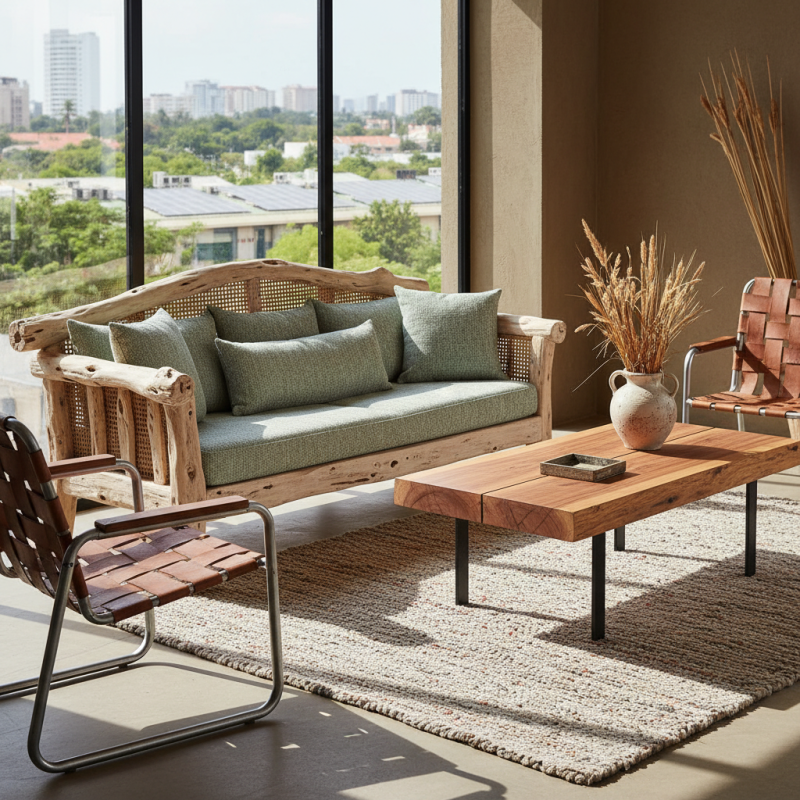
Recycled furniture is crafted from materials that would otherwise end up in landfills. This process typically begins with sourcing discarded items like wood, metal, and textiles. Using these materials can decrease the demand for new resources. According to the Environmental Protection Agency (EPA), recycling one ton of furniture can save over 17 trees and reduce greenhouse gas emissions significantly.
The production of recycled furniture often involves creative methods. Artisans may disassemble old pieces and reshape them into new designs. This not only enhances sustainability but also encourages unique aesthetics. A report by the International Society of Furniture Designers notes that up to 40% of furniture in landfills is recyclable. Yet, many consumers remain unaware of their impact on the environment.
There are challenges. Not all recycled furniture maintains the same quality as new products. Some pieces may show wear and tear, which can deter buyers. Additionally, sourcing high-quality recyclable materials can be difficult. Nonetheless, when made well, recycled furniture offers an eco-friendly alternative that can reduce environmental harm and inspire careful consumer choices.
Recycled Furniture Popularity by Material Type (2022)
This chart illustrates the popularity of various recycled furniture materials in 2022. Wood takes the lead with 40%, followed by metal at 25%. Plastic and glass make up 20% and 10% respectively, while textiles account for just 5% of the market share.
The Environmental Impact of Furniture Production and Waste
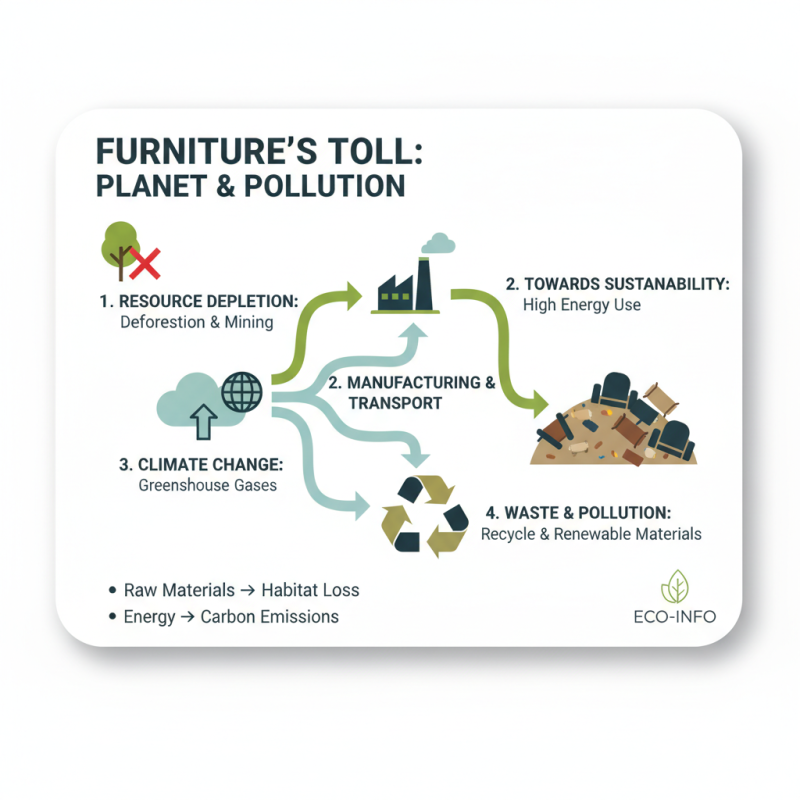
The production and disposal of furniture have significant environmental implications. Traditional furniture manufacturing often relies on raw materials like wood and metal. This leads to deforestation and depletion of natural resources. The energy used in crafting and transporting these items generates greenhouse gases. As a result, new furniture contributes to climate change.
Recycled furniture presents a viable solution. It repurposes materials, minimizing waste. Using reclaimed wood or salvaged metal drastically reduces the need for extraction. Additionally, recycled furniture often embodies unique designs. This adds character to homes while promoting sustainability. Yet, the quality of recycled items can vary. Buyers must ensure they invest in durable options.
Caring about the environment is essential. Many consumers are becoming more mindful of their choices. They consider the life cycle of their purchases. However, it's imperative to acknowledge that not all recycled furniture is created equal. Some pieces may lack strength or functionality. It is crucial to research and select responsibly sourced options for the best outcomes.
Benefits of Choosing Recycled Furniture for Sustainable Living
Choosing recycled furniture can significantly contribute to sustainable living. According to a report from the Environmental Protection Agency (EPA), recycling one ton of furniture can save 17 trees and 4,100 kWh of energy. This data highlights the positive impact of using recycled materials. By opting for such furniture, you not only reduce waste but also conserve vital resources.
Recycled furniture often possesses unique character and charm. Each piece tells a story, offering a blend of old and new. This aspect can make your living space feel more personal and inviting. Additionally, many manufacturers are producing high-quality recycled options. They prioritize durability and aesthetic appeal while adhering to eco-friendly practices.
Tip: When shopping for recycled furniture, look for certifications that indicate sustainable sourcing. Moreover, consider upcycling old furniture instead of buying new. Sometimes a simple coat of paint can breathe new life into a worn-out piece. Reflect on how your choices contribute to a healthier planet, and remember that every little step counts.
Is Recycled Furniture the Best Choice for Eco Friendly Living? - Benefits of Choosing Recycled Furniture for Sustainable Living
| Benefit |
Description |
Environmental Impact |
Cost Savings |
| Reduced Waste |
Using recycled materials helps divert waste from landfills. |
Minimizes landfill contribution. |
Lower disposal costs for manufacturers. |
| Conserves Resources |
Recycling furniture reduces the need for new raw materials. |
Saves trees and water needed for new production. |
Potential savings on sourcing new materials. |
| Unique Designs |
Recycled furniture often has a distinctive style. |
Promotes creativity in design. |
Can often be lower cost than custom builds. |
| Energy Saving |
Less energy required to recycle materials compared to new production. |
Decreases carbon footprint. |
Reduced energy costs in production. |
| Supports Local Economies |
Often sourced and produced locally. |
Encourages community sustainability efforts. |
Can help keep costs lower through local sourcing. |
Comparing Recycled Furniture with New Alternatives: Pros and Cons
Recycled furniture presents a unique alternative to new pieces, offering distinct benefits. It often uses materials that might otherwise end up in landfills. This reduces waste and promotes sustainability. Many recycled items have unique designs and character, adding charm to any living space. These pieces often come at a lower cost compared to brand-new furniture, making them accessible for various budgets.
However, recycled furniture isn't without drawbacks. Some items might show signs of wear and tear. This can detract from their appeal, especially if someone prefers pristine objects. Additionally, the quality of recycled materials can vary. Not all pieces are built to last, raising concerns about durability. Shoppers must carefully assess each item before purchasing.
In contrast, new furniture offers the assurance of quality and design consistency. Buyers can choose from modern styles and innovative materials that are often hypoallergenic and eco-friendly. Yet, buying new typically involves a larger carbon footprint due to manufacturing processes. This dilemma makes the decision complex for eco-conscious consumers. Each option carries its own set of values and considerations.
How to Choose High-Quality Recycled Furniture for Your Home
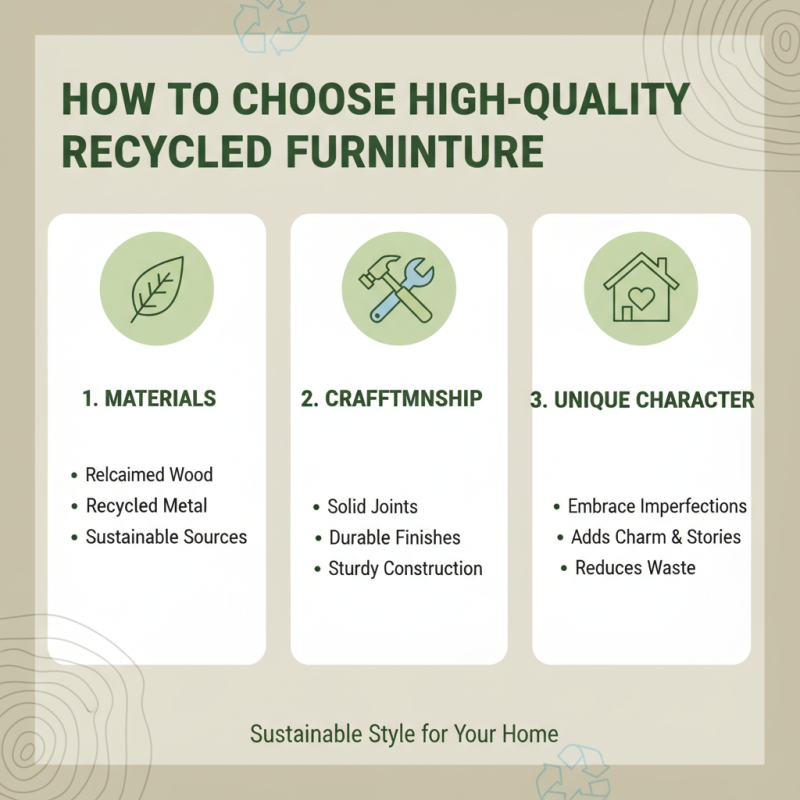
When selecting high-quality recycled furniture, consider materials and craftsmanship. Look for items made from sustainable sources, such as reclaimed wood or recycled metal. These materials not only reduce waste but also provide unique character. Inspect the furniture for signs of quality, like solid joints and finishes. Remember, imperfect pieces often add charm and stories to your home.
Pay attention to the manufacturer's practices. A reputable source will prioritize eco-friendly processes. Research the brand’s commitment to sustainability. Avoid options that look attractive but lack transparency. Share your preferences with artisans who create bespoke pieces. They might offer insights into their sourcing and methods.
Think about how the furniture will fit into your space. Measure areas accurately. High-quality recycled furniture may have an unconventional shape or require adjustments. Embrace the challenge of selecting pieces that align with your vision while respecting the environment. Sometimes, the best choices come from unexpected sources.