What is Recycled Plastic Products and Why Are They Important?
The growing concern for our planet’s health has brought recycled plastic products into the spotlight. Experts like Dr. Karen Sullivan, a leading authority in sustainable materials, state, "Recycled plastic products are essential for reducing waste." This highlights their significance in tackling plastic pollution.
Recycled plastic products come from used plastics, transformed into new items. This process conserves resources and minimizes landfill contributions. However, the impact of recycled plastics varies. Not every item is recycled effectively, leaving room for improvement. We must reflect on industry practices to enhance recycling rates.
While the benefits are clear, challenges remain. Many consumers are unaware of how to properly recycle plastics. This lack of knowledge affects the success of recycled plastic products. Increased awareness and education are crucial for future progress.
Definition of Recycled Plastic Products
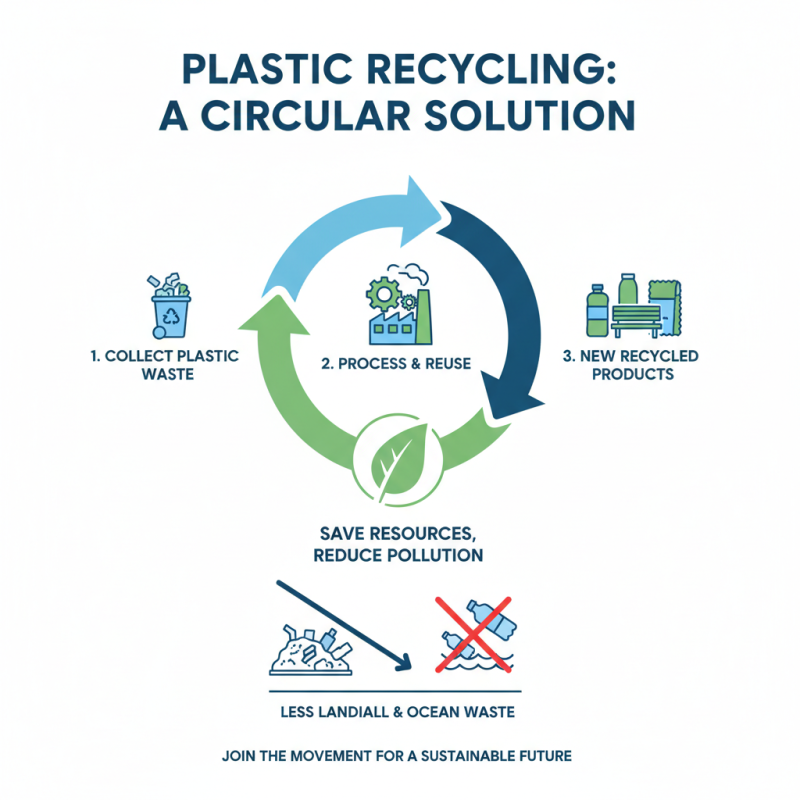
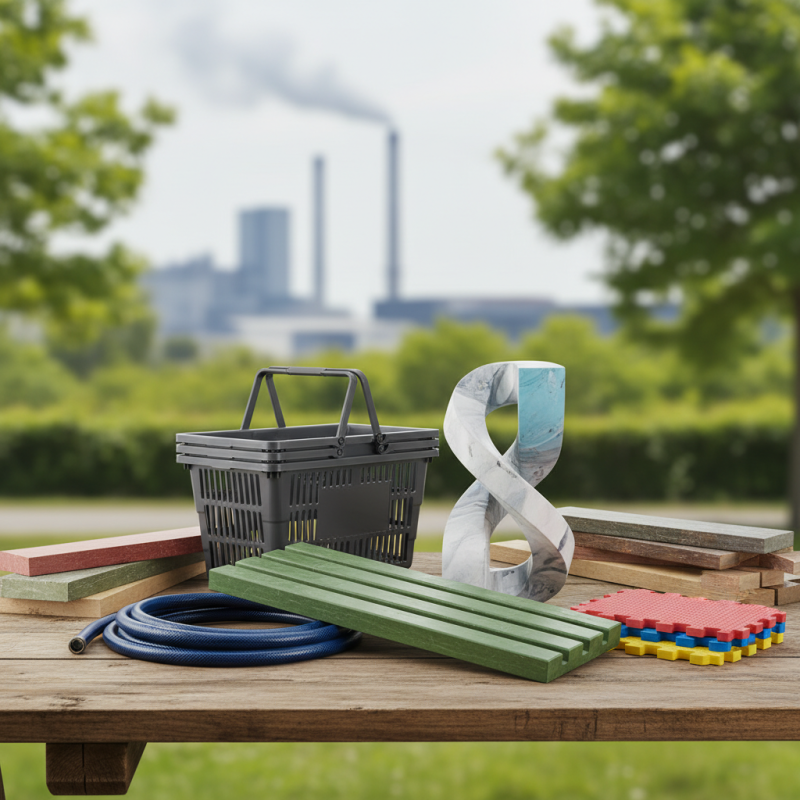
Recycled plastic products are items made from plastic waste that has been processed and repurposed. This process helps to reduce plastic pollution. Traditionally, plastics end up in landfills or oceans. By recycling, we can create new products, save resources, and minimize harm to our environment.
Plastic recycling involves several steps. First, waste plastic is collected and sorted. Next, it is cleaned and shredded into small pieces. These pieces are then melted and formed into usable products. Common items include containers, furniture, and clothing. Unfortunately, not all plastics are recyclable. Many consumers overlook this fact and end up contaminating recycling streams.
**Tips:** Always check local recycling guidelines. Not all plastics can be recycled. You can also look for products made from a blend of recycled and virgin materials. This can contribute to a more sustainable future. Furthermore, consider reducing plastic use altogether. It's important to reflect on personal consumption habits. Are you buying products out of necessity or convenience?
Types of Recycled Plastics Used in Manufacturing
Recycled plastics play a crucial role in sustainable manufacturing. Various types of recycled plastics are commonly used, each contributing uniquely to the production of eco-friendly products. For instance, PET, or polyethylene terephthalate, is widely used. It's found in water bottles and containers. This material can be transformed into fibers for clothing or insulation.
Another important type is HDPE, or high-density polyethylene. It is known for its strength and versatility. HDPE is used in products like milk jugs and detergent bottles. However, recycling it can be challenging. Not all facilities have the technology to process HDPE efficiently, leading to wastage.
Then there's PVC, or polyvinyl chloride, which is more controversial. PVC is versatile but poses risks during recycling due to harmful additives. The process can be complex and not all facilities handle it safely. Manufacturers must consider these factors carefully to make the best choices. Each type of recycled plastic has its advantages and drawbacks. Delving into the details is essential for improving the recycling process.
What is Recycled Plastic Products and Why Are They Important? - Types of Recycled Plastics Used in Manufacturing
| Type of Recycled Plastic | Common Uses | Benefits | Environmental Impact |
|---|---|---|---|
| PET (Polyethylene Terephthalate) | Bottles, clothing, carpets | Highly recyclable, lightweight | Reduces plastic waste, conserves resources |
| HDPE (High-Density Polyethylene) | Bottles, piping, plastic lumber | Durable, UV resistant | Offers energy savings when recycled |
| PVC (Polyvinyl Chloride) | Siding, flooring, medical equipment | Versatile, available in many forms | Recycling reduces landfill waste |
| LDPE (Low-Density Polyethylene) | Grocery bags, film wrap | Flexible, resistant to impact | Improves waste management efficiency |
| PP (Polypropylene) | Food containers, automotive parts | Strong, resistant to chemicals | Reduces the need for virgin materials |
| PS (Polystyrene) | Foam containers, insulation | Lightweight, cost-effective | Potential for reduced environmental footprint |
Benefits of Using Recycled Plastic Products
Recycled plastic products are gaining attention in today's eco-conscious market. They are made from post-consumer plastics and provide a sustainable alternative to virgin plastics. According to a report by the Ellen MacArthur Foundation, the global economy might benefit from a circular economy approach, leading to a potential reduction of over 40% in plastic pollution by 2030. This is a significant incentive for manufacturers and consumers alike.
Using recycled plastic products offers various benefits. Firstly, it significantly reduces energy consumption. Data from the National Recycling Coalition indicates that recycling plastic can save up to 66% of the energy required to produce new plastic. Additionally, using recycled materials can cut greenhouse gas emissions. This is crucial in combating climate change. However, not all recycled plastics are the same. Some products may have lower quality. This may limit their application in certain industries.
Moreover, adopting recycled plastic can lead to job creation. The U.S. recycling industry supports over 1.1 million jobs and generates nearly $370 billion in annual revenue. Despite these benefits, the infrastructure for recycling is still lacking in many areas. It highlights the need for improvement. The transition to a circular economy requires commitment from businesses and consumers alike.
Benefits of Using Recycled Plastic Products
Environmental Impact of Recycled Plastics
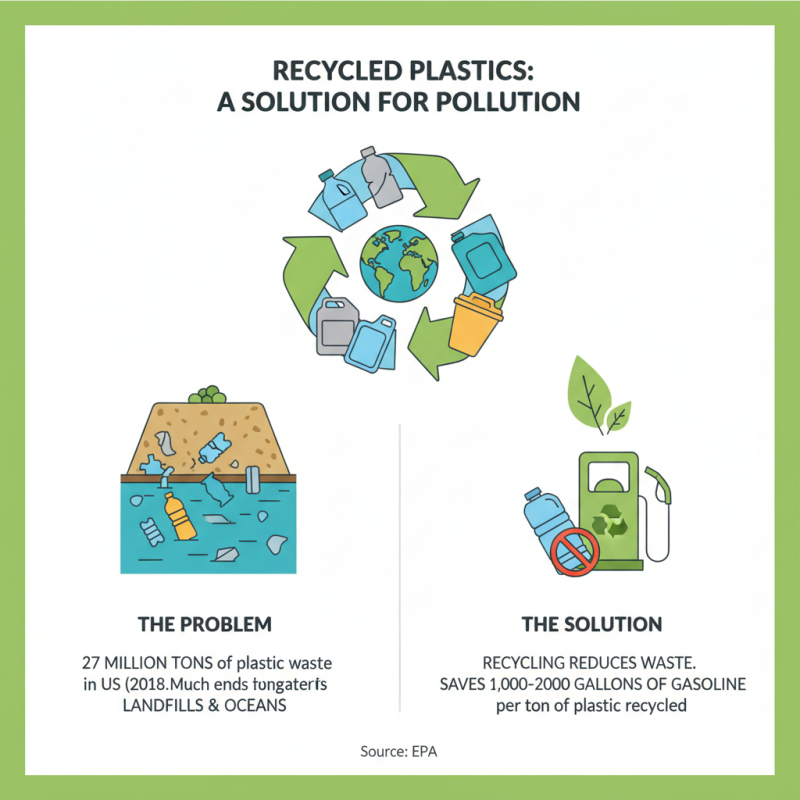
Recycled plastics play a crucial role in reducing environmental pollution. According to the Environmental Protection Agency, about 27 million tons of plastic waste were generated in the United States in 2018. A significant portion ended up in landfills and oceans. Recycling can help mitigate this issue. It is estimated that recycling just one ton of plastics can save approximately 1,000 to 2,000 gallons of gasoline.
The environmental impact of recycled plastics extends beyond waste reduction. Using recycled plastics can cut greenhouse gas emissions significantly. A research report from the Association of Plastic Recyclers indicates that each ton of recycled plastic reduces CO2 emissions by 1.5 tons on average. Moreover, recycled plastics require less energy to produce than virgin plastics. However, the recycling process is not without its challenges. Contamination and sorting issues can hinder effective recycling efforts.
Communities are becoming more aware of the importance of recycled plastic products. Yet, many still struggle with proper recycling practices. Only 9% of the plastic waste generated globally is recycled effectively. This reflects gaps in consumer education and recycling infrastructure. Progress is needed to enhance recycling rates and reduce reliance on virgin materials. The environmental potential of recycled plastics remains untapped, calling for urgent reflection.
Challenges in the Recycling Process and Market
The recycling process faces significant challenges that affect the market for recycled plastic products. Contamination remains a major issue. When non-recyclable items mix with recyclables, the entire batch can become unusable. Sorting through waste is labor-intensive and costly. Many facilities struggle to keep up with the sheer volume of plastic waste generated daily.
Limited consumer awareness adds to the challenge. People often misunderstand what can be recycled. This confusion leads to improper disposal methods, further complicating the recycling process. Education plays a critical role in improving recycling rates. Communities need clear guidelines on sorting and disposing of plastic waste.
**Tip:** Check local recycling rules. Know what plastics your area can handle. Proper sorting can boost recycling efforts substantially.
Market demand for recycled plastic is fluctuating. Prices can drop dramatically, leading to fewer incentives for companies to invest in recycling. This creates a cycle where less recyclable material is processed, and quality decreases. Companies often take the easy route, opting for virgin materials over recycled ones, which can feel disheartening for those invested in sustainability.
**Tip:** Support businesses that prioritize recycled materials. Your choices matter and can influence market trends.
Related Posts
-
2026 Best Recycled Plastic Products You Need to Know About?
-
2025 Top 5 Recycled Plastic Products Transforming Sustainable Living
-
How to Transform Recycled Plastic Materials into Innovative Eco Friendly Products
-
Exploring the Innovative World of Gerecycled Plastic and Its Impact on Sustainable Living
-
Driving Sustainability: The Role of Recycled Plastic Materials in China's 138th Import and Export Fair 2025
-
Understanding the Benefits of Green Recycling for a Sustainable Future