What is Recycled Plastic Products and How to Choose Them?
Recycled plastic products are becoming increasingly essential in our world. More consumers and businesses seek sustainable alternatives to traditional plastics. Experts like Dr. Jane Thompson, a leading authority in environmental science, emphasize their importance: "Recycled plastic products not only reduce waste but also conserve natural resources."
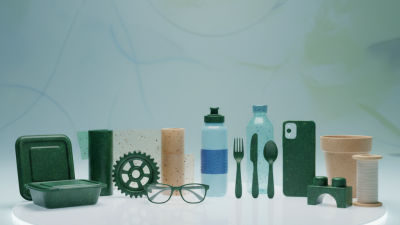
These products come from recycled plastics and can be used in various applications. From household items to industrial materials, they offer a diverse range of options. Despite their growing popularity, some consumers remain hesitant. They question durability, effectiveness, and environmental impact.
Understanding how to choose the right recycled plastic products matters. It requires careful consideration of the product's source, processing, and intended use. In a market filled with greenwashing, relying on expert insights can guide consumers. As the demand for recycled plastic products rises, transparency and quality become critical factors in decision-making.
Definition of Recycled Plastic Products and Their Importance
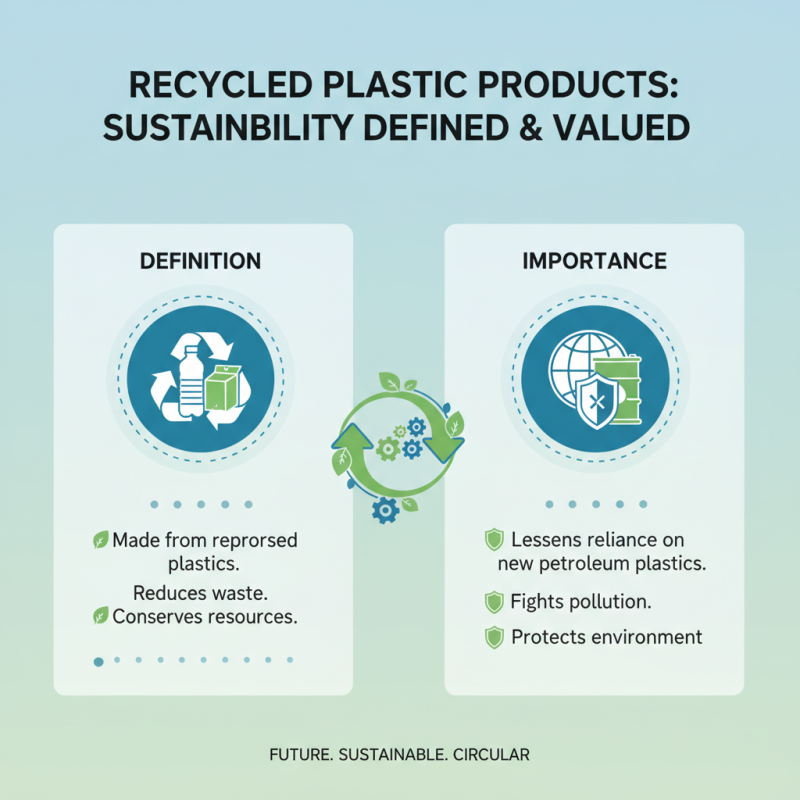
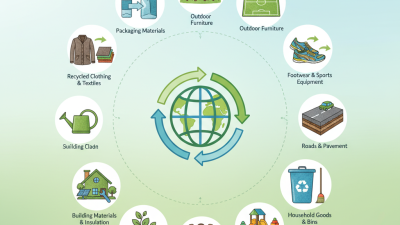
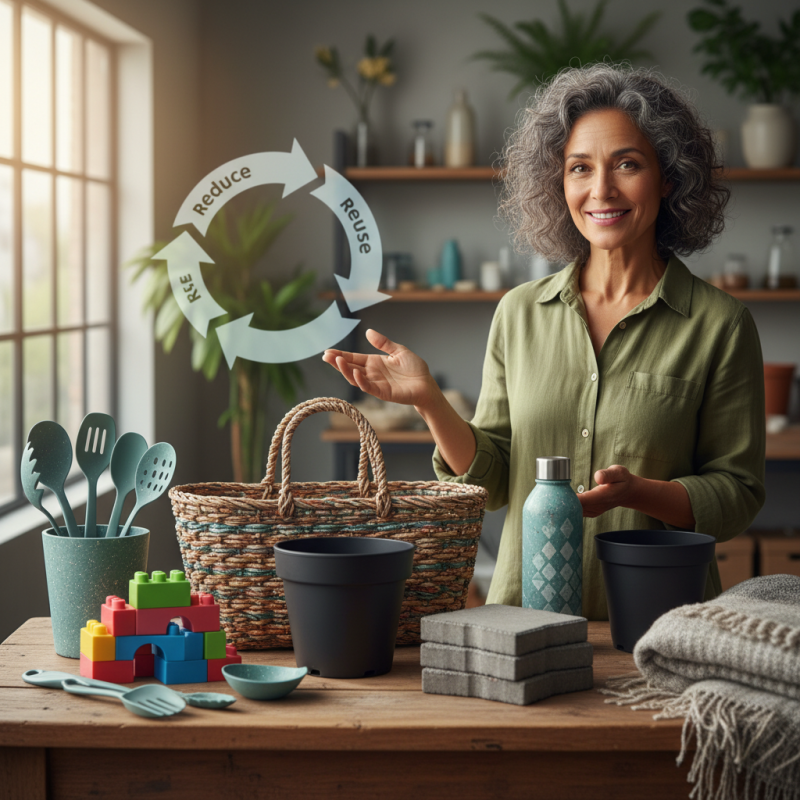
Recycled plastic products play a crucial role in promoting sustainability. These items are made from plastics that have been repurposed, reducing waste and conserving resources. The importance of using recycled plastics cannot be overstated. They help lessen our reliance on new petroleum-based plastics, which contribute to pollution and environmental degradation.
When choosing recycled plastic products, look for certifications that confirm their quality and sustainability. These products can range from everyday items like reusable bags to durable outdoor furniture. It’s important to recognize that not all recycled plastics are created equal. Some may contain additives or may not be as durable. Always opt for products that provide information about their sourcing and manufacturing processes.
Tips: Check for eco-labels to ensure true recycled content. Consider the product's end-of-life recyclability. Engage with sellers about their recycling practices for better transparency. Understanding recycled plastic's journey helps consumers make more informed choices. Balancing cost with sustainability can be challenging but worthwhile. Reflect on the impact of your purchases on the planet’s health.
Types of Recycled Plastics Used in Manufacturing
Recycled plastic products are gaining popularity due to their environmental benefits. Understanding the types of recycled plastics used in manufacturing is vital for making informed choices. Common types include PET, HDPE, and PP. These materials originate from post-consumer items, such as bottles and containers.
According to a 2022 study by the Ellen MacArthur Foundation, recycling plastic can reduce greenhouse gas emissions by up to 70% compared to producing new plastics.
When choosing recycled plastic products, consider the type and source of materials. PET is widely recycled and commonly used in bottles and textiles. HDPE, known for its strength, is often found in containers and piping. PP is versatile and used in automotive parts and packaging. Look for products certified by environmental standards, as this can ensure quality and sustainability.
Tips: Always check the recycling label. A higher number indicates better recyclability. Opt for products with minimal packaging to reduce waste. Remember, not all recycled plastic is equal. Understanding these nuances can enhance your purchasing decisions.
How to Identify Quality Recycled Plastic Products
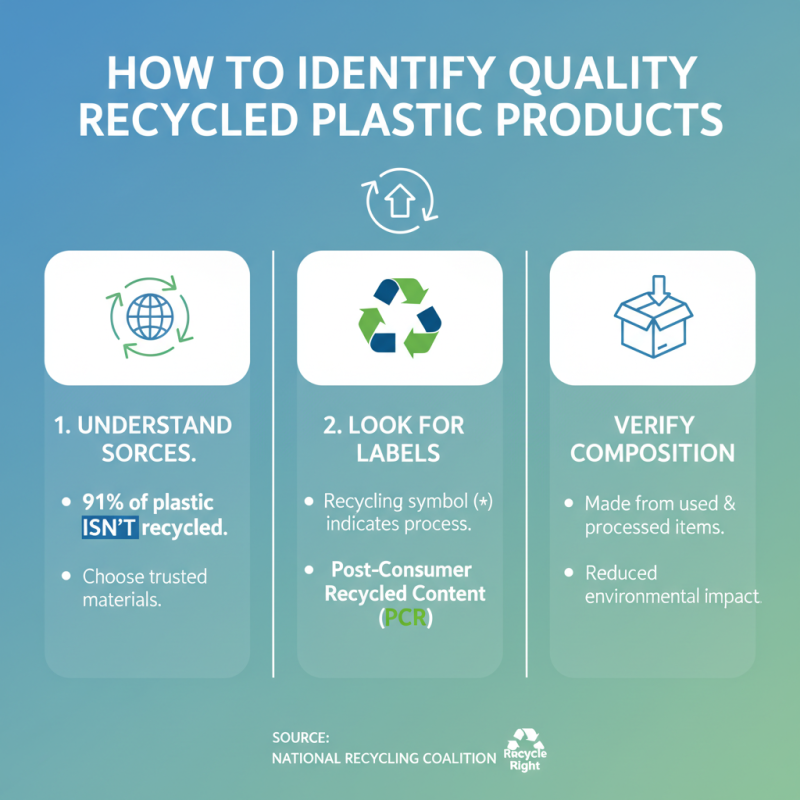
Identifying quality recycled plastic products begins with understanding their sources and composition. According to the National Recycling Coalition, about 91% of plastic isn't recycled. This stark figure highlights the importance of choosing products made from trusted materials. Look for products labeled with the recycling symbol, specifically those made from post-consumer recycled content. This indicates that the plastics were once used and processed into new items.
When evaluating these products, consider certifications. The Global Recycled Standard (GRS) and the Recycled Content Certification are key indicators of quality. These certifications ensure that the product meets specific sustainability criteria and includes a minimum percentage of recycled material. Additionally, products should have a clear origin. Transparency in sourcing helps build trust and reflects the manufacturer's commitment to sustainability.
Examine the texture and durability of the product. High-quality recycled plastics often have a comparable feel to their virgin counterparts. However, some lower-grade items may appear brittle or poorly finished. Investing in well-made products supports both environmental goals and reliable usability. Balancing eco-friendliness with performance requires discernment and awareness of industry standards. Taking these factors into account can significantly enhance your purchasing decisions.
Factors to Consider When Choosing Recycled Plastic Items
When selecting recycled plastic products, it's essential to consider several key factors. The type of plastic used is crucial. Different plastics can vary significantly in their durability and environmental impact. Look for products made from high-quality recycled materials. This ensures longevity and a lower carbon footprint.
Another important aspect is the product's purpose. Items meant for outdoor use should be resistant to weathering and UV rays. For kitchenware, ensure that the materials are food-safe and non-toxic. Certification marks can provide additional assurance about the product’s safety and sustainability.
Price may also influence your choice. Sometimes, cheaper options might not be the best in terms of quality. This can lead to purchasing items that wear out quickly or contribute more waste in the long run. Reflect on your choice carefully. Investing a little more in durable products may pay off. Always seek credible sources for your information. This enhances your understanding and ability to make informed decisions.
What is Recycled Plastic Products and How to Choose Them? - Factors to Consider When Choosing Recycled Plastic Items
| Item Type |
Post-Consumer Recycled Content (%) |
Durability |
Environmental Impact |
Price Range (USD) |
| Plastic Benches |
80% |
High |
Low carbon footprint; repurposed materials |
150 - 300 |
| Recycled Plastic Decking |
60% |
Very High |
Minimal maintenance; weather resistant |
3 - 5 per linear foot |
| Recycling Bins |
100% |
Moderate |
Promotes recycling; reduces landfill waste |
30 - 70 |
| Plastic Fencing |
50% |
High |
Long-lasting; resistant to pests |
2 - 4 per linear foot |
| Garden Products |
75% |
Moderate |
Sustainable usage; promotes eco-friendly gardening |
10 - 50 |
Benefits of Using Recycled Plastic Products for Sustainability
Recycled plastic products are becoming increasingly popular for their sustainability benefits. Using recycled materials reduces waste and minimizes the need for new plastic production. This process lowers energy consumption and greenhouse gas emissions. For instance, every ton of recycled plastic can save an estimated 1.5 tons of carbon dioxide release into the atmosphere.
Choosing recycled plastic products can be a mindful decision for consumers. Look for items marked with recycling symbols and information about their content. However, it is crucial to verify the product's origin and the manufacturer's commitment to sustainability. Not all recycled plastics are created equal. Some may contain additives that compromise their safety or recyclability.
While the use of recycled plastics has clear advantages, the industry still faces challenges. The quality of recycled materials can vary significantly. Consumers should be aware of the potential downsides, such as fading or brittleness in some products. Understanding these factors can lead to more informed choices. Embracing recycled products, despite their imperfections, contributes to a more sustainable future.
Benefits of Using Recycled Plastic Products for Sustainability