What is Rubber Injection Molding Machines and How Do They Work?
Rubber Injection Molding Machines play a vital role in manufacturing processes across various industries. According to a report by MarketsandMarkets, the global rubber processing market is expected to reach $54.49 billion by 2026. This growth highlights the importance of efficient machinery.
These machines use a unique method to shape rubber, offering precision and speed. They inject molten rubber into molds, allowing manufacturers to create intricate designs. The technology ensures minimal waste and maximizes production efficiency. However, the intricacy of these machines can overshadow the knowledge required for optimal use. Understanding their operation is essential for maximizing potential.
Despite their advantages, some manufacturers struggle with machine calibration and maintenance. A slight error can lead to significant production issues. Continuous training and investment in technology are crucial for best practices. As the market evolves, staying informed about advancements in rubber injection molding is necessary.
What is Rubber Injection Molding?
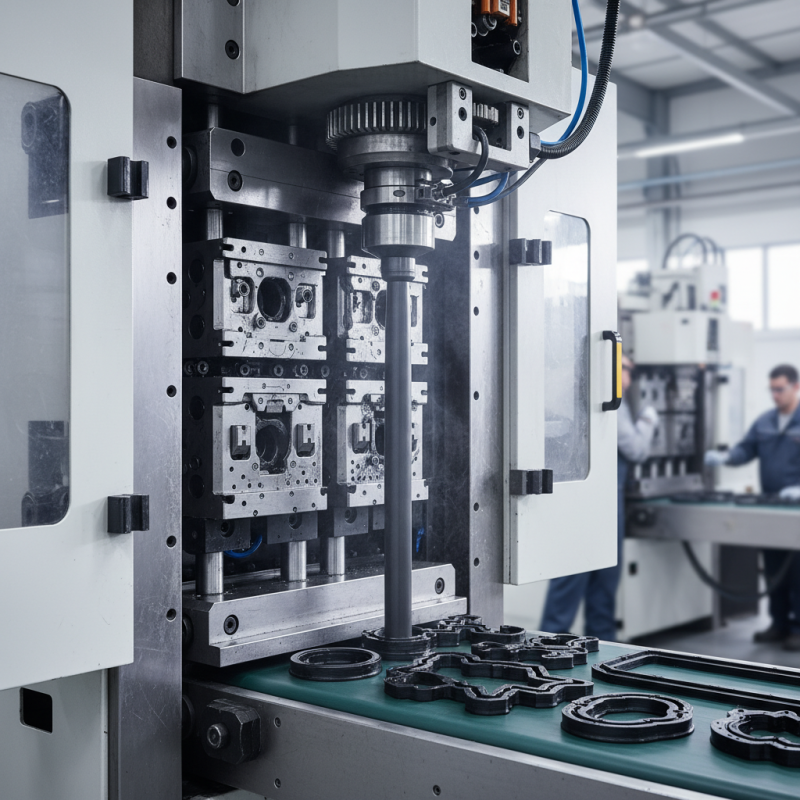
Rubber injection molding is a manufacturing process that creates rubber products by injecting molten rubber into a mold. It is widely used in various industries, including automotive, consumer goods, and medical equipment. This method allows for precise shaping of parts with excellent surface finishes and high dimensional accuracy.
Industry reports indicate that the global rubber injection molding market is projected to reach $7.3 billion by 2025, growing at a CAGR of 4.4% from 2020. This growth reflects increased demand for lightweight and durable rubber components. The process reduces waste, as it utilizes only the necessary amount of material, optimizing production efficiency.
Despite these advantages, challenges exist. Molding defects, such as air traps or incomplete filling, can occur, affecting product quality. Achieving the right temperature and pressure settings is crucial. Engineers often need to experiment with different parameters to perfect the process. Continuous training and experience play vital roles in overcoming these hurdles, ensuring reliable outcomes for diverse applications.
What is Rubber Injection Molding Machines and How Do They Work? - What is Rubber Injection Molding?
| Dimension | Description |
| Machine Type | Hydraulic, Electric, Hybrid |
| Clamping Force | 20 to 2000 tons |
| Injection Volume | 50 to 1000 cm³ |
| Cycle Time | 30 to 120 seconds |
| Material Types | Silicone, Nitrile, EPDM, Natural Rubber |
| Applications | Automotive, Aerospace, Consumer Goods, Medical Devices |
| Benefits | High Precision, Reproducibility, Short Lead Times |
| Maintenance | Regular Cleaning, Lubrication, Inspection of Wear Parts |
Understanding the Components of Rubber Injection Molding Machines
Rubber injection molding machines are essential for producing rubber parts efficiently. Understanding their components helps in grasping how they function. Key elements include the injection unit, mold, and clamping unit.
The injection unit melts and injects rubber into the mold. It comprises a hopper, barrel, and screw. The hopper feeds raw rubber into the barrel, where heat and pressure transform it into a malleable state. The screw then pushes this material into the mold.
The mold is where the magic happens. It shapes the rubber into desired forms. Molds can be complex and need precise design to ensure product quality. The clamping unit maintains pressure on the mold, preventing leakage during the injection phase.
**Tip:** Regular maintenance of components is crucial. Check for wear and tear, especially on the screws and molds. A neglected system can lead to defects in the final product.
Understanding these components will enhance your knowledge of the process. Designing effective molds takes time and refinement. Each production run can reveal areas for improvement. Keep an open mind to feedback and continuously optimize your methodologies.
**Tip:** Document changes made to molds or processes. This helps in identifying what works best over time. A careful analysis can lead to significant efficiency improvements in production.
The Process of Rubber Injection Molding Step by Step
Rubber injection molding is a precise manufacturing process used to create rubber parts. It involves injecting molten rubber into a mold under high pressure. The process begins with preparing the rubber compound, which typically includes various additives to enhance properties. Data from industry reports suggest that global demand for rubber parts is projected to grow by 5.4% annually, highlighting the importance of efficient manufacturing methods.
After the rubber is prepared, the next step is to inject it into a heated mold. The mold is then cooled to solidify the rubber. This cooling phase can either be quick or prolonged, depending on the required properties of the final product. Industry professionals note that achieving the right cooling time can be challenging. Inadequate cooling may lead to warping. Conversely, excessive cooling can extend production time and reduce efficiency.
Once the part is formed, it undergoes trimming and inspection. The trimming stage is crucial for ensuring quality. Often, it involves removing excess rubber, which can impact the final product's aesthetic and functional qualities. Despite advances in technology, human error during trimming can still occur. Continuous training and quality control are essential in minimizing these risks and ensuring optimal performance in rubber injection molding processes.
Benefits of Using Rubber Injection Molding for Manufacturing
Rubber injection molding has transformed manufacturing processes, offering many benefits. This method produces high-quality rubber products efficiently. According to industry reports, the global rubber injection molding market is expected to reach $7.2 billion by 2025, demonstrating significant growth. The precision of this technique ensures consistent product quality, reducing waste and lowering production costs.
One key advantage of rubber injection molding is its versatility. Manufacturers can create complex shapes and designs that are difficult to achieve with traditional methods. This allows companies to innovate quickly. Additionally, injection molding can improve production speed. The process can produce thousands of parts in a short time, making it ideal for high-volume manufacturing.
Tips for success include investing in high-quality machinery and training operators thoroughly. Understanding material properties can also improve outcomes. Even minor variations in temperature can affect mold quality. Regular maintenance of machinery helps ensure consistent performance. However, be aware that initial setup and tooling costs can be high. Optimize the production process to offset these expenses over time.
Applications of Rubber Injection Molding in Various Industries
Rubber injection molding is integral to many industries. It produces rubber products used in everyday items. Automotive, medical, and consumer goods are key sectors benefiting from this process. According to recent industry reports, the global rubber injection molding market is expected to grow at a CAGR of 6% from 2023 to 2028. This growth highlights the increasing demand for high-quality rubber components.
In the automotive industry, rubber parts are vital. They ensure vehicle safety and efficiency. For example, rubber seals prevent water and air leaks. In medical sectors, rubber's flexibility and sterility make it ideal for seals and gaskets in surgical instruments. The consumer goods industry also relies heavily on rubber for items like kitchenware and toys. This shows rubber's versatility.
Tips: Always assess your production needs. Choose the right equipment for efficiency. Quality control is essential. Regular maintenance of machines can prevent costly breakdowns. Remember, while rubber injection molding is effective, it can be wasteful if not managed properly. Planning and design are crucial for reducing scrap material and optimizing production processes.