Who Are the Top China Suppliers of PromaCare TAPP?
Choosing the right China supplier for PromaCare TAPP requires more than comparing prices. Product consistency, technical support, documentation, and export experience can strongly influence purchasing results.
This guide examines suppliers connected with PromaCare TAPP and explains how buyers can evaluate them responsibly. It considers manufacturing capability, quality-control procedures, batch traceability, packaging standards, and communication efficiency. Reliable suppliers should provide current specifications, certificates, safety information, and clear application guidance. They should also explain lead times and minimum order quantities without hiding commercial conditions.
Evidence matters more than impressive claims.
A practical review should compare official product data with independent buyer requirements. It should also confirm whether the supplier is an authorized distributor, a manufacturer, or a trading company. That distinction affects accountability, technical access, and after-sales support. Samples can reveal color, texture, packaging quality, and labeling accuracy, but one sample cannot prove long-term stability. This is where many purchasing reviews become too confident.
Supplier rankings may change as certifications, production capacity, and market performance develop. Therefore, the “top” China suppliers of PromaCare TAPP should be viewed as candidates for verification, not permanent winners. Buyers should request recent documents, confirm shipment records, and discuss storage conditions before placing substantial orders. Direct communication with technical and quality teams can expose practical differences that product pages rarely show. Some information may remain incomplete, and that limitation deserves honest acknowledgment. Reliable sourcing depends on careful checks, documented evidence, and realistic expectations.
PromaCare TAPP: INCI Identity, Function, and Regulatory Status
PromaCare TAPP should be evaluated through its INCI identity, not its trade description. Commercial technical sheets commonly position it as an acetylated tetrapeptide. However, buyers must verify the exact INCI name, peptide concentration, carrier system, and assay method on the current specification sheet. Small differences matter. A diluted solution is not equivalent to the pure active.
Its cosmetic function is usually linked to the eye area. The ingredient may support skin hydration, smoother texture, and a less tired appearance around the eyes. These are appearance claims, not medical promises. The final result depends on dosage, formulation pH, preservation, packaging, and application frequency. In practice, stability testing at 40°C can reveal color or odor changes that a brochure may not show.
Regulatory status requires careful wording. Inclusion in the European CosIng database does not mean automatic approval or proven efficacy. In the United States, cosmetic ingredients generally do not receive premarket approval, while manufacturers remain responsible for safety and labeling. China’s regulatory framework also requires formula and ingredient compliance under current cosmetic rules. Statista’s 2024 outlook valued global skincare revenue above US$150 billion, increasing pressure for credible claims. Cosmetics Europe reported approximately €104 billion in European personal-care sales for 2023. Those figures encourage innovation, but they do not replace toxicological review. Supplier qualification should include batch traceability, impurity limits, microbiological data, and human-use evidence. Some public claims remain under-documented. That deserves scrutiny.
China’s 2023 Cosmetics Retail Sales Reached RMB 414.2 Billion
China’s cosmetics retail sales reached RMB 414.2 billion in 2023, showing strong demand for reliable formulation ingredients. This growth has encouraged more Chinese suppliers to offer TAPP for skincare and personal-care development. Buyers should look beyond low prices. A dependable supplier should provide clear specifications, batch records, safety documents, and practical formulation support.
In supplier evaluations, I would request an ingredient sample, certificate of analysis, INCI information, and stability data. Check whether the powder remains uniform after storage and mixing. Ask for production capacity, lead times, packaging details, and export experience. These details matter when a small laboratory trial becomes a large commercial order. Public information can be incomplete, though. A polished website is not proof of technical reliability.
Tips: Compare at least three suppliers. Confirm each batch against agreed specifications. Request updated documents before placing a repeat order. If possible, arrange a factory audit or independent testing. Also assess communication speed, because delayed answers can signal future problems. Price still matters, but consistency matters more.
China Cosmetics Retail Sales (2019–2023)
Market context for evaluating suppliers of cosmetic ingredients such as PromaCare TAPP
China’s cosmetics retail sales increased from RMB 299.2 billion in 2019 to RMB 414.2 billion in 2023, despite a temporary decline in 2022. The 2023 result indicates renewed market growth and continued demand for cosmetic formulations and raw materials.
Source: National Bureau of Statistics of China; annual retail sales of cosmetics, reported in nominal RMB.
Who Supplies PromaCare TAPP: Brand Owners, OEMs, and Distributors
China suppliers of this cosmetic active usually fall into three groups: brand owners, OEM manufacturers, and distributors. Brand owners control the original specification and may provide stable documentation, technical guidance, and batch history. OEM factories can adapt packaging, filling, and private-label services for different markets. Distributors often offer faster quotations and smaller order quantities, but their sourcing chain needs closer checking.
A reliable purchasing review should examine the technical data sheet, INCI information, safety data sheet, certificate of analysis, and production batch number. Ask for evidence. Request a recent sample with matching documents, not a generic laboratory sample. Compare appearance, odor, solubility, assay data, storage conditions, and recommended dosage. Experienced buyers also confirm lead time, minimum order quantity, export packaging, and complaint procedures before signing a purchase agreement.
Distributors may be useful for trials, especially when a full container is unnecessary. OEM suppliers may suit brands needing blending, filling, and finished-product support. Brand owners can be preferable when formula consistency matters across several production cycles. Samples can mislead. A sample may pass while later batches vary if controls are weak. I would also verify whether documents describe the same manufacturing site and material grade. That small check is easy to overlook. Supplier evaluation should include factory communication, response speed, change-notification practice, and transparent handling of deviations. Reliable partnerships grow from records, not attractive quotations alone.
How to Verify Suppliers Through COA, SDS, Traceability, and ISO 22716
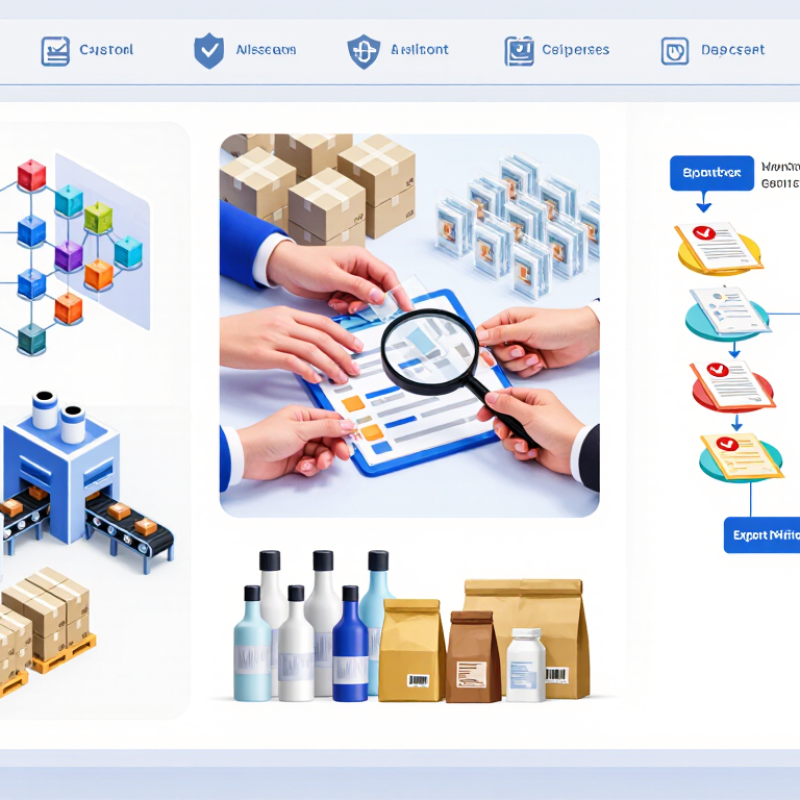
When sourcing TAPP from China, supplier verification should begin with evidence, not attractive catalog pages. Ask for a current COA from the exact production batch. Check the lot number, manufacturing date, assay, appearance, moisture, heavy metals, and microbiological limits. Test methods should be clear and technically suitable. A COA with missing methods deserves questions.
Review the SDS separately. It should explain identification, handling, storage, exposure controls, transport information, and disposal precautions. The SDS supports safe use, but it does not prove cosmetic quality. Request traceability records linking raw materials, production equipment, packaging, and shipment documents. A reliable supplier can usually provide this trail without hesitation. Request a retained sample, then compare it with the delivered material and independent laboratory results.
ISO 22716 certification can strengthen confidence in manufacturing controls. Check the certificate’s validity, registered site, certification scope, and issuing body. It should cover the facility making the material, not only a trading office. During an audit or video review, observe weighing records, cleaning logs, quarantine areas, and batch-release procedures. Details matter.
Still, verification is not perfect. Documents can be accurate yet incomplete. A polished PDF is not proof of consistent production. I would compare two or three recent batches and record every discrepancy. Suppliers who respond clearly, correct mistakes, and explain limitations are often more dependable than those promising flawless results. Reliability grows through repeated evidence, not one successful sample.
Ranking China Suppliers by MOQ, Lead Time, Purity, and Compliance Data
For this cosmetic active, China suppliers should be ranked by verified data, not promotional claims. A practical scorecard compares MOQ, lead time, purity, and compliance records. Supplier A may offer a 1-kilogram trial order, while Supplier B requires 25 kilograms. Smaller MOQs help formulation testing, but they may carry higher unit costs.
Lead time also changes the ranking. Stocked material can ship within 7–10 working days. Custom production may require 20–35 days. Check the latest certificate of analysis, assay method, moisture, heavy metals, residual solvents, and microbiological limits. HPLC results are more useful than a simple “high purity” statement. Ask for batch-specific documents, not old samples. ISO 9001, GMP controls, safety data, and export documentation support stronger compliance confidence. Still, paperwork can be incomplete.
Tips: Request three recent batches. Confirm the test method. Match the MOQ with your forecast. Ask whether the quoted lead time includes testing and packing. A supplier with 99% purity may not be the best choice if its records are inconsistent. I have seen buyers overlook packaging stability, then face clumping after transport. That risk deserves attention. Verify storage temperature, retest period, and container material before approval. Supplier rankings should remain flexible when new batch data appears.