2026 Top Eco Friendly Plastic Innovations You Should Know?
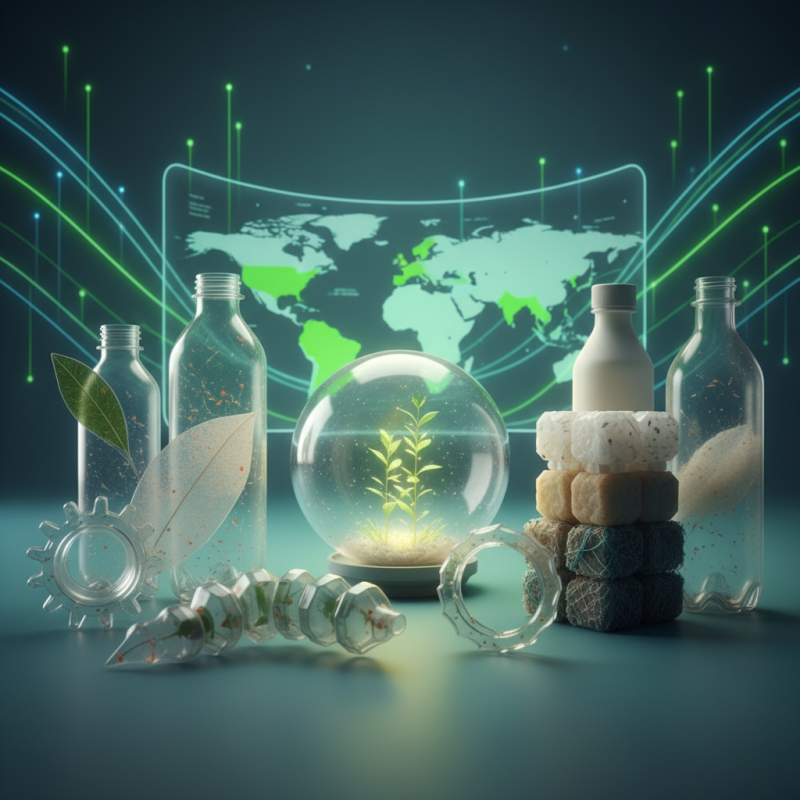
The world is undergoing a shift towards sustainability. Eco friendly plastic innovations play a crucial role in this transformation. As we face the challenges of plastic pollution, new materials emerge to address environmental concerns.
In 2026, several remarkable advancements will reshape our understanding of eco friendly plastic. These innovations include biodegradable alternatives and recycled materials that minimize waste. Companies are investing significantly in research and development. Their efforts aim to create solutions that reduce environmental impact.
However, the journey isn’t without flaws. Discovering the perfect balance between functionality and environmental responsibility remains a challenge. While some products may sound promising, they often require further testing and improvement. Consumers must remain vigilant, seeking transparency and accountability from brands.
Emerging Trends in Sustainable Plastic Development by 2026
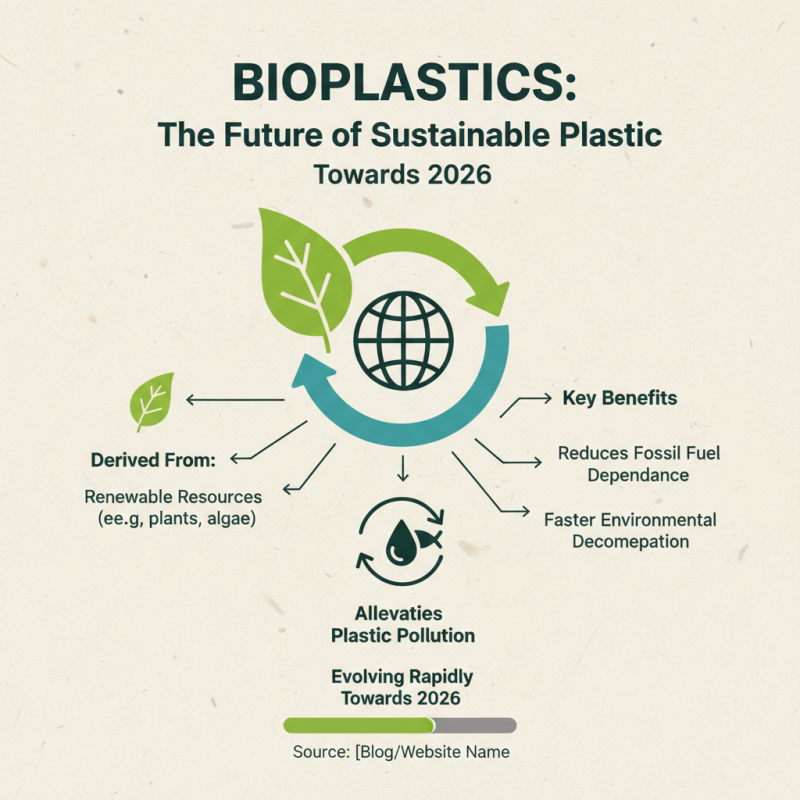
As we move towards 2026, the landscape of sustainable plastic innovation is evolving rapidly. One trend gaining traction is the development of bioplastics. These materials, derived from renewable resources, aim to reduce our dependence on fossil fuels. They can decompose more quickly in the environment, potentially alleviating plastic pollution.
Another noteworthy development is the integration of recycled materials in new plastic products. These innovations not only reduce waste but also lower the carbon footprint of production processes. Companies are now investing in technologies to recycle plastics more efficiently. However, the quality of recycled plastics can vary. This inconsistency poses a challenge for manufacturers and consumers alike.
**Tips:** Look for products made from bioplastics. Check if the packaging is recyclable or contains recycled materials. Understand the difference between various plastic types and their impact on the environment. Reflect on your purchasing choices. Sometimes, opting for less plastic is the most sustainable route. Remember, while innovations are promising, we must stay proactive in our sustainability efforts.
Biodegradable Plastics: Innovations and Their Environmental Impact
Biodegradable plastics are gaining attention for their potential to reduce pollution. They are designed to break down faster than traditional plastics. This innovation could transform how we manage waste. However, there are challenges to consider.
Producing biodegradable plastics often requires specific conditions. Many need heat, moisture, or microorganisms to decompose properly. This raises questions about their effectiveness in typical landfill environments. Not all biodegradable options are created equally. Some may leave harmful residues after breaking down, which can be problematic.
Meanwhile, the demand for sustainable materials continues to grow. Many industries are exploring alternatives. This shift could lead to a significant reduction in plastic waste. However, we must remain cautious. It's vital to ensure that these innovations do not harm ecosystems or complicate recycling processes. Balancing convenience and sustainability is a complex journey that requires ongoing reflection.
2026 Top Eco Friendly Plastic Innovations You Should Know
| Innovation |
Material Type |
Biodegradability |
Applications |
Environmental Impact |
| Plant-Based Bioplastics |
PLA (Polylactic Acid) |
Compostable |
Packaging, Disposable Tableware |
Reduced carbon footprint, less dependency on fossil fuels |
| PHA (Polyhydroxyalkanoates) |
Biosynthetic Plastic |
Fully Biodegradable |
Medical Devices, Food Packaging |
Breaks down naturally, no toxic residues |
| Recycled Ocean Plastics |
RPET (Recycled Polyethylene Terephthalate) |
Recyclable |
Textiles, Filtration Systems |
Reduces marine pollution, promotes circular economy |
| Mushroom Mycelium Packaging |
Natural Biomaterial |
Compostable |
Packaging, Insulation Materials |
Biodegrades in weeks, zero waste product |
| Algae-Based Plastics |
Bio-derived Polymer |
Compostable |
Food Packaging, Disposable Cutlery |
Sustainable feedstock, lowers carbon emissions |
Recycling Technologies Revolutionizing Eco-Friendly Plastic Use
Innovative recycling technologies are reshaping the world of eco-friendly plastics. New methods are emerging to convert waste into reusable materials. This approach reduces landfill waste and lessens environmental impact. One such method uses advanced chemical recycling techniques. This allows plastics to be broken down to their original monomers. Such processes can handle mixed plastics, which traditional recycling struggles with.
The implementation of these technologies can be uneven. Not all facilities have access to these advanced systems. Some regions still rely on outdated methods, leading to inefficiencies. Moreover, consumer awareness remains a challenge. While many are eager to help, understanding recycling guidelines varies widely. This inconsistency can hinder progress in reducing plastic waste.
Emerging recycling projects are setting ambitious goals. They aim to create a circular economy where materials are continuously reused. Yet, achieving this vision requires more than just technology. Education and community involvement are essential for the shift. Engaging the public could pave the way for better adoption of eco-friendly practices. As we move forward, it’s crucial to reflect on these challenges and strive for improvement.
Bioplastics: Sources, Benefits, and Market Potential in 2026
Bioplastics are gaining significant traction as a sustainable alternative to traditional plastics. Derived from renewable sources like corn, sugarcane, and even algae, their market potential is promising. According to a recent industry report, the global bioplastics market could reach USD 41 billion by 2026. This shift highlights a growing consumer awareness regarding the environmental impact of plastic waste.
However, challenges remain. Production processes for bioplastics can still be energy-intensive. Some bioplastics don't decompose quickly in landfills, causing lingering environmental concerns. According to research, only 20% of bioplastics are compostable under industrial conditions. This raises questions about their actual environmental benefits.
The benefits of bioplastics are noteworthy. They can significantly reduce greenhouse gas emissions, with some studies suggesting reductions of up to 68% compared to conventional plastics. Furthermore, they fit into a circular economy. Recyclability remains a crucial factor to address. With the industry growing, innovations must focus on improving biodegradability and recycling rates. This way, the potential of bioplastics will be fully realized, contributing to a greener future.
2026 Bioplastics Market Potential
This chart illustrates the projected growth of the bioplastics market by type in 2026. It highlights the increasing market share of various bioplastic sources, showcasing their benefits and potential impact on sustainability.
Government Policies Shaping the Future of Eco-Conscious Plastics
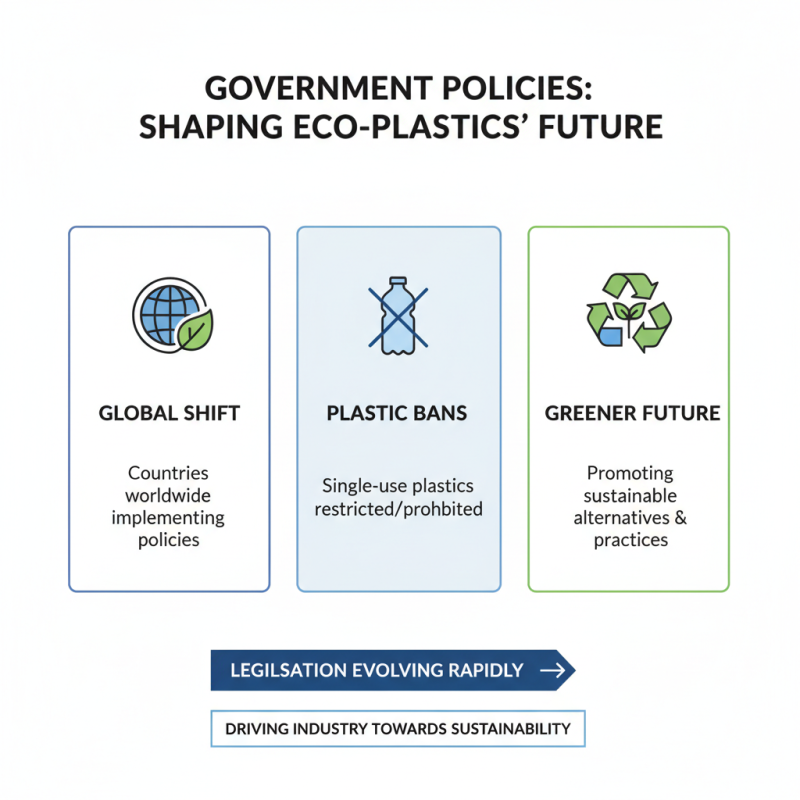
Government policies play a crucial role in shaping the future of eco-conscious plastics. Many countries are implementing bans on single-use plastics. These measures aim to reduce plastic waste and encourage sustainable alternatives. Legislation around the world is evolving rapidly, pushing industries towards greener practices.
In addition to bans, incentives for recycling are becoming more common. Tax breaks for companies that use recycled materials can encourage innovation. However, some policies are still in their infancy. They may lack clarity, leading to confusion among manufacturers. Regulations also vary greatly between regions, making compliance a challenge.
Despite advancements, there remain significant hurdles. Some biodegradable plastics are not fully sustainable. Their decomposition can depend on specific conditions, which may not always be met. Manufacturers face criticism for greenwashing, where claims about eco-friendliness may not hold true. The path ahead requires continuous dialogue and improved standards. Only with collaboration can we hope for meaningful change in plastic innovation.