
Top Fleece Fabric Suppliers for Global Buyers?
Choosing among the top Fleece Fabric suppliers requires more than comparing catalog prices. Global buyers need dependable quality, clear communication, and evidence of responsible production.
A reliable supplier should provide complete fiber details, fabric weight, width, stretch, and finishing methods. Ask for samples before approving bulk production. A fabric roll may look smooth online but feel too thin under warehouse lighting. Check pilling resistance, colorfastness, shrinkage, and surface softness through practical testing. These details matter for jackets, blankets, hoodies, and children’s garments. Production capacity also deserves attention. Confirm minimum order quantities, lead times, packaging methods, and inspection procedures. A supplier with modern equipment is useful, but consistent quality control matters more. Not every factory suits every buyer.
Certifications can support supplier evaluation, yet certificates should be verified and connected to the actual production site. Buyers may review materials such as recycled polyester claims, restricted-substance testing, and social compliance records. Freight distance, customs requirements, and seasonal demand can also change the final cost. Be careful with unusually low quotations. They may exclude testing, packaging, or later adjustments. Even experienced sourcing teams can overlook small differences between approved samples and bulk rolls. That risk deserves attention. This guide compares leading Fleece Fabric suppliers through practical criteria, including product reliability, technical capability, transparency, and international service. The goal is not to name one universal winner. It is to help global buyers choose a supplier that fits their product, market, budget, and quality expectations.
What Is Fleece Fabric and Why Do Global Buyers Choose It?
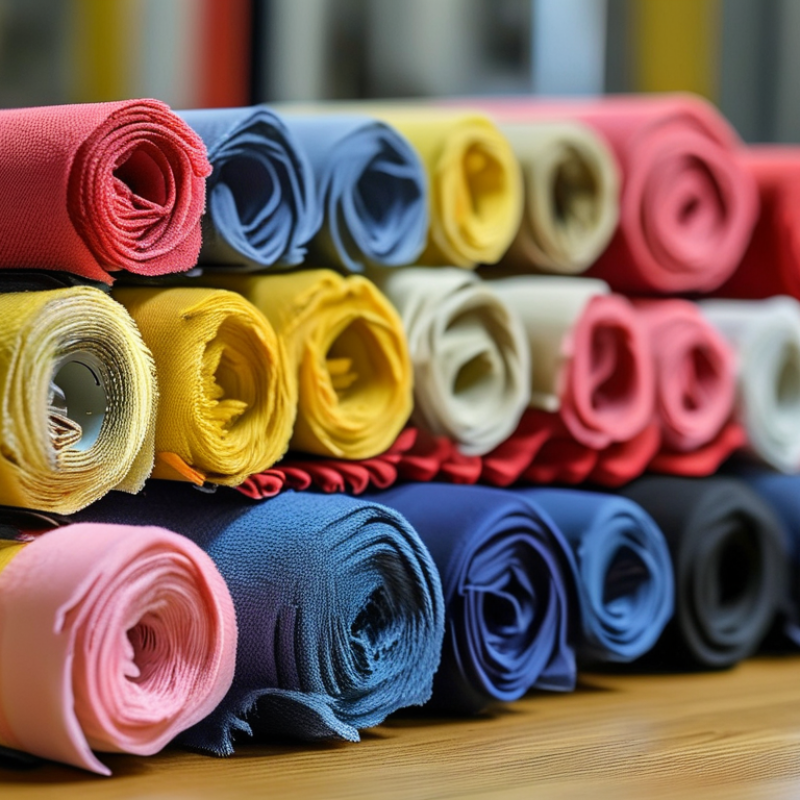
Fleece fabric is a knitted textile with a raised, brushed surface. Most commercial fleece uses polyester yarns, creating a soft inner layer that traps warm air. It is lightweight, quick-drying, and easy to pack. That combination suits jackets, blankets, children’s wear, and work uniforms.
The choice is not accidental. Textile Exchange’s Materials Market Report 2024 estimated global fiber production at 124 million tonnes in 2023. Polyester represented about 57% of that volume. This scale supports stable sourcing and broad fabric availability. Buyers can request 180–220 GSM fleece for midweight garments, while 280 GSM fabric offers stronger cold-weather protection. I have found that touching the brushed side reveals more than a digital catalog. Cheap fleece may shed fibers, feel uneven, or pill after repeated washing.
Performance still needs evidence. Ask suppliers for pilling, colorfastness, dimensional stability, and fabric composition reports. Testing should follow recognized textile methods, not informal claims. Recycled polyester can reduce reliance on virgin feedstock, but certification documents and chain-of-custody records deserve careful checking. Textile Exchange also reports continuing growth in recycled fiber use, yet recycled does not automatically mean low-impact. Dyeing, finishing, transport, and product life matter too. The overlooked detail is moisture behavior. Very dense fleece may feel warm, but it can dry slowly during active use. Global buyers should compare samples after washing, not only before purchase. That extra step takes time. It prevents expensive assumptions.
Top Fleece Fabric Suppliers for Global Buyers: What Is Fleece Fabric and Why Do Buyers Choose It?
Fleece is a soft knitted fabric commonly made from polyester fibers and finished with a brushed surface that traps air for warmth. The chart shows representative fabric weights for widely traded fleece categories. Typical commercial ranges are approximately 100–200 g/m² for microfleece, 200–300 g/m² for polar fleece, 280–400 g/m² for sweatshirt fleece, and 300–500 g/m² for sherpa fleece. Global buyers select fleece for its warmth-to-weight ratio, quick drying, low maintenance, and suitability for apparel, blankets, linings, and outdoor products.
Key Criteria for Evaluating International Fleece Fabric Suppliers
Choosing fleece fabric suppliers requires more than comparing quoted prices. International buyers should verify fiber content, fabric weight, width, stretch recovery, and brushing quality. A supplier may describe polyester fleece as “premium,” but measurable specifications matter more. Request a current sample card and a production sample from the same lot. Samples tell only part. Compare both under daylight and after washing. Record shrinkage, pilling, color change, and hand feel. A small testing error can affect thousands of finished garments.
Reliable suppliers provide test reports that identify methods, dates, and laboratories instead of sending vague certificates. Check colorfastness to washing and rubbing, dimensional stability, pilling resistance, and restricted-substance compliance for the destination market. Traceability also matters. Ask where fibers are processed, how lots are identified, and whether inspection records can be shared. An independent pre-shipment inspection can confirm GSM, roll length, defects, and carton labels. It costs money. It may prevent a larger loss.
Communication reveals operational maturity. Measure response time, sample accuracy, minimum order quantities, lead-time promises, packing details, and handling of rejected goods. Put approved specifications into a signed purchase document, including tolerance ranges and claim procedures. I have seen attractive samples fail because bulk production used a different brushing setting. That mistake is easy to miss. Suppliers deserve clear feedback, too; unclear color references create avoidable disputes. A trustworthy partner admits limits, reports delays early, and improves after documented corrective action.
Leading Fleece Fabric Supplier Types and Their Market Strengths
Global fleece buyers usually compare three supplier types: integrated mills, fabric converters, and wholesale stockists. Each serves a different purchasing reality. Integrated mills control knitting, dyeing, brushing, and finishing in one operation. This structure often supports stable quality, custom weights, and repeat production. It suits large apparel programs with clear technical specifications.
Converters purchase greige fabric, then manage dyeing, finishing, or lamination through partner facilities. Their market strength is flexibility. They can handle moderate orders, unusual colors, and faster development cycles. However, quality may vary between production partners. Buyers should request batch records, test reports, and physical samples before approving bulk orders.
Wholesale stockists hold ready-made fleece in regional warehouses. They offer speed, lower minimum quantities, and easier replenishment for seasonal products. This model works well for uniform programs, online sellers, and smaller manufacturers. Yet available shades and widths can change quickly. A stockist may promise availability, but the reserved quantity needs written confirmation. I have seen small details matter.
Specialty suppliers focus on recycled polyester, anti-pill finishes, heavyweight fleece, or technical laminations. Their expertise can improve performance in outdoor and workwear applications. Buyers should check fiber content, pilling results, colorfastness, shrinkage, and certification validity. A recycled claim is not enough. Documentation must match the actual shipment. Pricing also deserves careful review, because cheaper fleece may create higher cutting waste or more returns. No supplier type wins every order. The right choice depends on volume, lead time, testing needs, and tolerance for production risk.
How to Compare Fleece Quality, Pricing, Certifications, and Capacity
Top Fleece Fabric Suppliers for Global Buyers?
Comparing fleece suppliers requires more than checking a quoted price. Textile Exchange’s Materials Market Report 2024 estimates global fiber production reached 124 million tonnes in 2023, with polyester accounting for 57%. This scale makes recycled-content claims worth verifying. Request the fiber composition, GSM, usable width, shrinkage, pilling grade, colorfastness, and hand-feel standard. Ask for sealed samples, not only photographs. A 280 GSM fleece can feel thin when the brushing process is uneven.
Pricing should be compared on an equal specification. Include fabric weight, width, minimum order quantity, packaging, testing fees, payment terms, and delivered freight. A cheaper roll may hide higher waste or unstable dye lots. I would calculate cost per usable kilogram and per finished garment panel. The calculation is imperfect, but it exposes surprises. Check three recent quotations against the same technical sheet.
Certifications also need practical review. OEKO-TEX Standard 100 verifies harmful-substance testing, while GRS supports recycled-content and chain-of-custody claims. Confirm the certificate holder, factory address, scope, and expiry date. For reliability, request test reports from an ISO/IEC 17025-accredited laboratory. Capacity claims should include monthly output, knitting machines, dyeing lines, and peak-season lead times. A supplier stating “large capacity” proves little. Conduct a pilot order and inspect shade variation, pilling, shrinkage, and carton labeling before committing to annual volume.
Top Fleece Fabric Suppliers for Global Buyers? - How to Compare Fleece Quality, Pricing, Certifications, and Capacity
| Supplier Profile | Typical Production Region | Common Fleece Types | Typical Weight | Fiber Composition | Indicative Fabric Price* | Typical MOQ | Monthly Capacity | Common Certifications | Typical Lead Time | Best Fit for Buyers |
|---|---|---|---|---|---|---|---|---|---|---|
| Large-scale export mill | East and Southeast Asia | Polar fleece, microfleece, anti-pill fleece, sherpa | 150–350 GSM | 100% polyester; recycled polyester options commonly available | US$2.20–5.50 per kg | 500–1,000 kg per color | 300–1,500 metric tons | OEKO-TEX Standard 100, GRS, ISO 9001; some facilities also hold bluesign-related approvals | 25–45 days after approval | Large apparel programs, private-label retailers, and repeat orders |
| Mid-sized flexible mill | South Asia and Southeast Asia | Polar fleece, sweatshirt fleece, brushed fleece | 180–400 GSM | Polyester, polyester-spandex, cotton-polyester blends | US$2.50–6.50 per kg | 300–800 kg per color | 100–600 metric tons | OEKO-TEX Standard 100, ISO 9001, SEDEX/SMETA participation; GRS subject to recycled-content orders | 30–50 days after approval | Brands needing moderate volumes, custom colors, or blended constructions |
| Recycled-fiber specialist | Asia, Europe, and selected Mediterranean markets | Recycled polar fleece, recycled microfleece, sherpa | 160–320 GSM | 30–100% post-consumer recycled polyester | US$3.00–7.50 per kg | 500–1,000 kg per color | 80–500 metric tons | GRS, RCS, OEKO-TEX Standard 100, ISO 14001 in some facilities | 35–60 days after approval | Sustainability-focused brands requiring recycled-content documentation |
| Performance-textile mill | East Asia, Europe, and Türkiye | Technical fleece, grid fleece, stretch fleece, bonded fleece | 180–300 GSM | Polyester, polyester-spandex, laminated or membrane-backed structures | US$5.00–12.00 per kg | 300–1,000 kg per construction | 50–300 metric tons | OEKO-TEX Standard 100, ISO 9001, ISO 14001, bluesign system partner status where applicable | 40–70 days after laboratory approval | Outdoor clothing, workwear, uniforms, and high-performance applications |
| Premium small-batch mill | Europe and Mediterranean markets | Fine microfleece, brushed fleece, double-sided fleece | 140–280 GSM | Polyester, recycled polyester, cotton blends, specialty fibers | US$6.00–14.00 per kg | 100–300 kg per color | 20–150 metric tons | OEKO-TEX Standard 100, GRS where applicable, ISO 9001, social-compliance audits | 30–60 days after approval | Premium collections, small brands, sampling programs, and short runs |
| Integrated textile producer | South Asia, East Asia, and Türkiye | Polar fleece, sweatshirt fleece, sherpa, printed fleece | 200–450 GSM | Polyester, cotton-polyester, recycled polyester, elastane blends | US$2.80–7.00 per kg | 500–2,000 kg per style | 200–1,000 metric tons | OEKO-TEX Standard 100, ISO 9001, GRS, WRAP or SMETA depending on facility | 35–65 days after approval | Buyers seeking fabric, dyeing, printing, finishing, and garment production from one source |
*Pricing basis: Indicative bulk fabric ranges in US dollars per kilogram for standard fleece constructions. Actual prices vary according to fiber prices, GSM, width, dyeing, finishing, printing, recycled content, order volume, Incoterms, and testing requirements.
Quality checks recommended: Verify GSM tolerance, usable width, pilling resistance, colorfastness, shrinkage, spirality, stretch recovery, abrasion resistance, formaldehyde and restricted-substance results, certification scope, and recent production samples before placing a bulk order.
Steps for Selecting and Managing a Reliable Global Fleece Supplier
Selecting a reliable global fleece supplier starts with evidence, not attractive photos. Ask for recent sample sets, production capacity, fiber composition, fabric weight, width, and shrinkage data. Compare samples after washing them under the same conditions. A soft hand feel can hide poor recovery. Request test reports from qualified laboratories, then verify whether the methods match your market requirements. I also review factory audit records, worker safety practices, and environmental controls. Paperwork matters. So does the factory floor.
Before placing an order, confirm minimum quantities, sample fees, payment terms, packaging, and delivery windows in writing. Set acceptable tolerances for color, weight, width, pilling, and shrinkage. Use a pre-production sample as the approval reference. Keep one sealed sample internally. It can settle disputes quickly. Do not rely on one contact person; record a backup manager and escalation route. Currency changes, port delays, and raw-material shortages can disrupt even careful plans.
Supplier management needs regular measurement. Track on-time delivery, defect rates, response speed, corrective actions, and claims. Schedule video inspections or independent inspections for unfamiliar factories. Share forecasts, but avoid promising volumes you cannot support. My own process is not flawless; early forecasts have sometimes been too optimistic. That lesson changed my approach: I now use rolling forecasts and smaller trial orders. A quarterly review should examine results, not excuses. Reliable partnerships grow through clear records, honest feedback, and repeated verification.