What Are the Top Menstrual Cup Brands?
Choosing among Menstrual Cup Brands requires more than comparing colors, discounts, or attractive packaging. A cup touches sensitive tissue, remains in place for hours, and must suit the user’s anatomy, flow, and routine. The best choice is practical, not merely popular.
Evidence offers a useful starting point. A 2019 systematic review in The Lancet Public Health examined 43 studies involving 3,319 participants. It found menstrual cups were comparable with disposable products for leakage, although product fit and learning time affected results. The review also noted that more high-quality research remains necessary. That matters.
Market data shows growing commercial interest. Grand View Research estimated the global menstrual cup market at approximately USD 1.46 billion in 2023, with continued growth expected through 2030. However, market reports use different definitions, regions, and forecasting methods. Their figures should guide context, not replace product-level evaluation.
This guide compares leading Menstrual Cup Brands through evidence-informed criteria. These include medical-grade material claims, size ranges, capacity, firmness, stem design, cleaning guidance, certifications, and customer support. A soft cup may feel comfortable for some users. A firmer model may open more reliably during movement. Neither option suits everyone.
Small details matter. Can the cup be folded easily in a public restroom? Is the storage pouch breathable? Does the company explain replacement timing clearly? These questions often reveal more than polished advertising.
Brand reputation helps, but it is not proof of safety or comfort. User reviews can be valuable, yet personal experience varies sharply. Readers should check current manufacturer instructions and consult qualified healthcare professionals when pain, persistent irritation, or unusual bleeding occurs. Some comparisons remain imperfect, because independent testing across brands is still limited.
What Is a Menstrual Cup and How Does It Work?
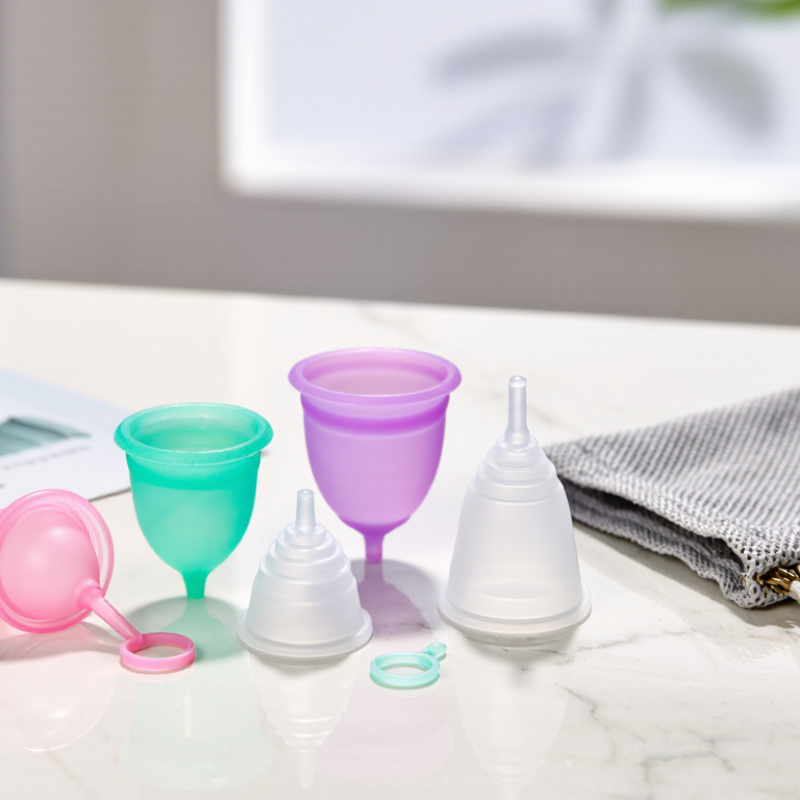
A menstrual cup is a reusable, flexible container worn inside the vagina during menstruation. It collects blood instead of absorbing it. Most cups use medical-grade silicone, rubber, or thermoplastic elastomer. Their shape creates a gentle seal against the vaginal walls. This seal helps reduce leaks, although movement, heavy flow, or incorrect placement can affect performance.
Use clean hands to fold the cup, insert it, and allow it to open fully. A slight rotation can help it seal. The cup usually stays in place for several hours, but timing depends on flow and the product’s instructions. Remove it by pinching the base, not by pulling the stem alone. Empty the contents, rinse the cup with clean water, and reinsert it. Cleanliness matters.
Evidence is encouraging, but not perfect. A 2019 systematic review in The Lancet Public Health examined 43 studies involving 3,319 participants. It found menstrual cups were similarly effective for leakage compared with pads and tampons in available research. Some studies also reported comparable menstrual blood loss. However, the review noted limited research quality and inconsistent reporting. That deserves attention. New users may need two or three cycles to learn positioning. Pain, unusual odor, persistent irritation, or unexpected bleeding should prompt medical advice. Sizing and fit can vary after childbirth, with pelvic-floor differences, or across body types, so personal comfort remains important.
What Is a Menstrual Cup and How Does It Work?
A menstrual cup is a reusable, bell-shaped period product that is folded and inserted into the vagina. It collects menstrual fluid rather than absorbing it. The cup forms a light seal against the vaginal walls and can typically be worn for up to 8–12 hours, depending on individual flow and product instructions.
How to interpret the chart: Menstrual cups commonly hold approximately 20–30 mL, although actual capacity varies by design and size. Choosing a cup should also take into account cervix height, pelvic floor comfort, age, childbirth history, and menstrual flow. Always follow the manufacturer’s instructions for insertion, removal, cleaning, and replacement.
How Are Menstrual Cup Brands Evaluated?
Choosing among menstrual cup brands requires more than comparing colorful packaging or low prices. A reliable evaluation begins with material quality. Medical-grade silicone, natural rubber, and thermoplastic elastomer can feel different during use. The material should be clearly identified, odor-resistant, and tested for skin contact. Transparent manufacturers publish safety information and explain their production standards. Vague claims deserve caution.
Fit is equally important. A suitable cup should open fully, create a gentle seal, and remain comfortable while walking or sleeping. Size guides should consider cervix height, flow level, pelvic floor strength, and previous vaginal birth. Capacity matters too, especially during heavy-flow days. A practical test is simple: check for leaks after several hours, then examine comfort and removal. Not every “small” cup fits every body.
Independent evidence strengthens a brand’s credibility. Look for clear cleaning instructions, replacement guidance, responsive customer support, and a realistic return policy. Reviews are useful, but they can be incomplete or overly emotional. Laboratory testing sounds reassuring, yet the testing scope should be explained. No scoring system is perfect. Personal comfort still involves trial and error. Some users may need time to learn folding, insertion, and removal. That learning curve is often ignored. Reliable brands acknowledge it instead of promising effortless results. A careful comparison also checks whether instructions explain when to seek professional medical advice for persistent pain, unusual irritation, or repeated problems.
Which Menstrual Cup Brands Are Widely Recognized?
Widely recognized menstrual cup brands usually earn attention through consistent design, clear instructions, and reliable customer support. Their products commonly use soft, body-safe silicone, but material claims should be checked carefully. “Medical-grade” alone does not explain comfort, durability, or manufacturing quality. Look for transparent testing information and regionally appropriate safety documentation.
Experienced users often compare cup brands by firmness, capacity, stem design, and size range. A firmer cup may open more easily, especially for someone with stronger pelvic floor muscles. A softer cup can feel gentler, though it may collapse during movement.
Detailed sizing guidance matters. So does honest advice about heavy flow, postpartum changes, and different cervix heights.
Customer reviews can reveal practical details that advertisements miss, such as difficult removal or staining after several months. Still, reviews are personal experiences, not medical evidence. The first fitting may feel awkward. That is normal, but persistent pain, unusual bleeding, or irritation deserves professional medical advice. Even highly recognized brands cannot guarantee a perfect fit for every body. Check cleaning instructions, replace the cup when it shows damage, and reconsider the choice if daily use remains uncomfortable.
How Do Menstrual Cup Brands Differ in Design and Features?
Menstrual cup brands mainly differ in shape, firmness, capacity, and stem design. These choices affect comfort more than marketing language. A softer cup may suit beginners or sensitive users. A firmer cup can open more reliably during exercise. Some models hold around 20–30 millilitres, while larger designs exceed 35 millilitres. Capacity matters during heavier flow, but length matters too. A long cup may press uncomfortably against a low cervix.
The 2019 Lancet Public Health review examined 43 studies involving 3,319 participants. It found menstrual cups broadly comparable with disposable products for leakage, although fitting required practice. Grand View Research’s 2024 market analysis also reports continued growth in reusable menstrual products. However, market forecasts vary widely. That is worth questioning. Market size does not prove better comfort or safer materials. Look for medical-grade silicone, clear care instructions, and measurable dimensions. “One size fits all” is rarely a precise claim.
Tips: Measure your cervix during menstruation, when it may sit lower. Compare diameter, length, and capacity before buying. Check whether the cup feels stable when walking, sitting, or exercising. Clean it according to the manufacturer’s instructions, and replace it when the material becomes damaged, sticky, or unusually odorous. Small discomfort should not be ignored. It may signal a poor fit, though personal experience can be imperfect.
How Can You Choose the Right Menstrual Cup Brand?
Choosing the right menstrual cup brand requires more than comparing popularity or online ratings. Look for clear material details, reliable sizing guidance, and transparent safety information. Medical-grade silicone, thermoplastic elastomer, and rubber can feel different, so comfort depends on your body and personal sensitivity.
A 2019 systematic review in The Lancet Public Health examined 43 studies involving 3,319 participants. It found that leakage was comparable to, or lower than, other menstrual products in comparative studies.
Fit matters most.
Check the cup’s diameter, length, firmness, and capacity. A higher-capacity cup may suit heavier bleeding, but it can feel bulky for some users. A softer cup may improve comfort, yet it might open less easily.
Consider your cervix height, pelvic floor sensitivity, and whether you exercise regularly. UNICEF guidance on menstrual health and hygiene also emphasizes access to clean water, privacy, and safe cleaning practices. These practical details matter as much as the product label.
No sizing chart is perfect. Bodies change, and first attempts can feel awkward. Read independent reviews, but treat dramatic claims carefully. Look for usage instructions, batch information, responsive customer support, and clearly stated replacement guidance.
If insertion causes persistent pain, unusual bleeding, or repeated difficulty, stop and seek advice from a qualified healthcare professional. A trustworthy brand should not promise a universal fit.