Top Sanitary Napkin Manufacturers in China for Global Buyers
Global buyers comparing top sanitary napkin manufacturers in China need more than a polished catalog. They need clear product specifications, responsive communication, and evidence that quality checks are part of routine production. Sanitary Napkins can differ in absorbent-core structure, topsheet feel, adhesive strength, wing design, and individual wrapping. Those details matter when a product is handled, tested, and used—not just photographed.
Menstrual-health physician Dr. Jen Gunter has stated, “Menstruation is not a disease.” That reminder helps keep product decisions grounded in comfort, dignity, and practical needs. A buyer reviewing samples might compare how quickly liquid spreads, whether the surface feels dry, and how securely the pad stays in place. Packaging deserves the same attention: labels should be readable, carton counts consistent, and sample details traceable to the quoted specifications. Small mismatches can create large headaches.
This guide examines Chinese manufacturers through a buyer’s lens, including product ranges, production capabilities, quality documentation, customization, and export communication. It does not treat a factory’s website as proof of performance. Ask for current documents, representative samples, and written answers about inspection methods and lead times. Then compare responses carefully. Not glamorous work. Still, it matters. Even a well-run supplier can miss a detail, and buyers should leave room to verify rather than assume. The goal is not to crown one universal winner, but to help global buyers identify suppliers that fit their market, standards, and expectations.
China’s Sanitary Napkin Industry: Market Scope and Key Product Categories
China’s sanitary napkin market spans everyday products and specialized formats. Grand View Research estimated the global feminine hygiene products market at USD 38.2 billion in 2022, with projected annual growth of 5.4% through 2030. This broad category includes more than pads, so the figure offers context, not a China-specific sales estimate. Market scope also depends on whether reports count pantyliners and related menstrual care products.
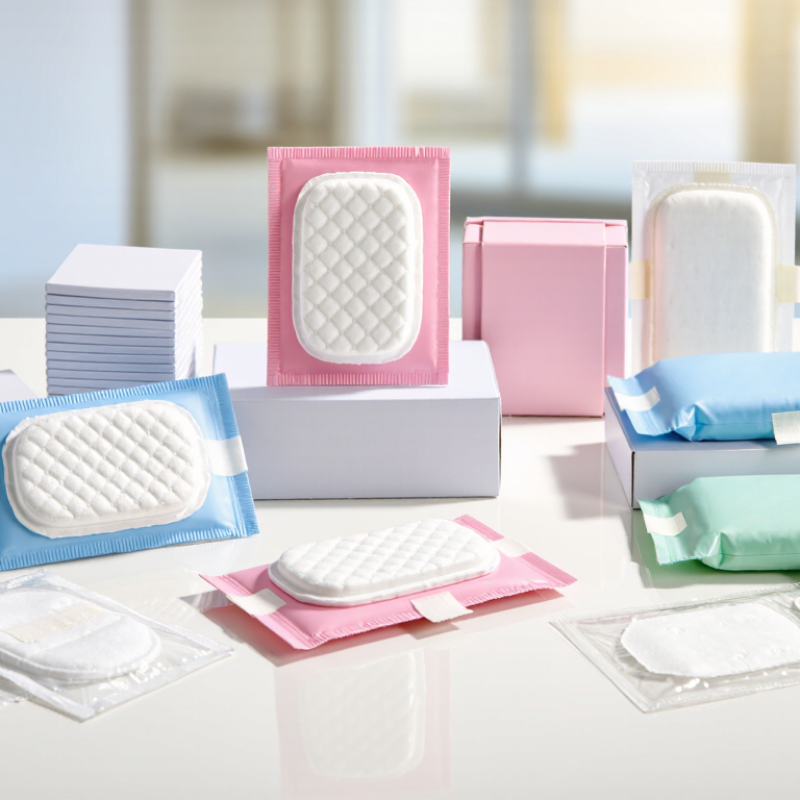
Key product categories include regular and overnight pads, pantyliners, and variants differentiated by length, thickness, absorbency, and wing design. Buyers may also compare topsheet materials, adhesive performance, and individual wrapping. Small details matter: a longer pad may suit overnight use, while a thinner profile can feel less bulky during the day. Still, product labels are not always directly comparable across suppliers. That deserves scrutiny.
Tips: Request specifications, absorbency test methods, and sample packs before comparing quotations. Check packaging dimensions too. A low unit price can hide differences in size, materials, or pack count.
How to Rank Leading Chinese Manufacturers by Capacity, Export Reach, and Product Range
A useful ranking of Chinese sanitary napkin manufacturers starts with verifiable operating capacity, not a large number on a brochure. Ask how many production lines run regularly, what their monthly output is, and how often equipment stands idle. A factory with several lines may still face bottlenecks in packaging or material supply. Numbers can mislead. Request recent production records and, where possible, a factory visit or live video walkthrough.
Export reach is more than a list of destination countries. Check whether the manufacturer can share redacted shipment records, explain its experience with different packaging languages, and provide clear lead times for samples and repeat orders. Ask how it handles quality checks, batch traceability, and buyer complaints. These details reveal everyday capability. One limitation: public export information may be incomplete, so compare documents with references and direct discussions rather than treating any single metric as proof.
Product range should be judged by usable specifications, not catalogue length. Compare available absorbency levels, lengths, core structures, surface materials, wing styles, and individual wrapping options. Request samples from the same product category, then inspect seal quality, adhesive placement, softness, and consistency across units. A broad range can help buyers consolidate sourcing, but too many options may stretch a supplier’s control. Record which specifications are standard and which require custom development before ranking candidates.
How to Rank Leading Chinese Sanitary Napkin Manufacturers
Suggested evaluation weights for global buyers assessing capacity, export reach, and product range.
Use these suggested weights as a buyer’s screening framework, not as measured scores for individual manufacturers. Verify production capacity, export experience, certifications, and product specifications directly with each supplier.
Top Chinese Sanitary Napkin Manufacturers: Profiles, Brands, and OEM/ODM Services
Chinese sanitary napkin manufacturers range from large-volume plants to smaller facilities focused on export orders. Their profiles may include absorbent-core production, converting lines, packaging, and quality checks. Buyers should ask which steps happen in-house and which rely on outside suppliers. The distinction matters. It affects lead times, traceability, and how quickly a factory can address a defect.
For private-label brands, OEM services commonly cover product specifications, packaging artwork, and production under a buyer’s label. ODM projects may offer more input on shape, materials, absorbency options, or packaging design. The available choices vary by factory. Request samples with clear specifications, including pad dimensions, layer materials, and individual-wrapper details. A sample that feels soft is not enough; check fit, leakage protection, and packaging consistency in practical use.
Before placing an order, review production records, inspection procedures, and relevant test documentation. Ask how the supplier manages raw-material changes and handles nonconforming batches. These conversations can reveal more than a glossy catalog. Still, paperwork alone cannot guarantee consistent production. A polished sample may not represent every production run, so buyers should agree on approval samples and inspection points in writing. I would also leave time for a small trial order; skipping that step can be tempting, but often proves costly.
Quality Checks for Global Buyers: GB/T 8939-2018 and GB 15979-2002
For global buyers, supplier checks should begin with the exact standard and test scope. GB/T 8939-2018 covers sanitary napkins and pads, including performance requirements and test methods. Compare reports against the same product type and specification: absorbency, leakage, dimensions, and pH can reveal different issues. Ask which production lot was sampled, when testing occurred, and whether the laboratory used the standard’s stated methods. Details matter. A report for a similar product is not proof for the shipment being purchased.
GB 15979-2002 sets microbiological limits for disposable sanitary products. Its published criteria for sanitary napkins include a total bacterial count of no more than 200 CFU/g and a fungal count of no more than 100 CFU/g; coliform bacteria and specified pathogenic pyogenic bacteria must not be detected. These are useful acceptance checks, not a substitute for reviewing sampling and laboratory records. Request results tied to a dated batch, then check packaging integrity and storage conditions during incoming inspection. One weakness in buyer practice: certificates can look reassuring while covering an earlier lot. A fresh test costs time, but uncertainty costs more.
Supplier Due Diligence: Certifications, Minimum Orders, Lead Times, and Export Data
For global buyers, supplier checks should go beyond a polished catalogue. Ask for current quality-management certificates, verify the issuing body, expiry date, and factory scope, then request recent test reports for absorbency, rewet, dimensions, and packaging integrity. A certificate alone proves little about the batch you will receive. UNICEF’s 2019 Guidance on Menstrual Health and Hygiene estimates that 500 million women and girls lack adequate menstrual hygiene facilities, materials, or information. That scale makes dependable quality and supply planning essential.
Confirm the minimum order quantity by product, size, packaging format, and any custom printing. Ask whether samples come from routine production, not a specially prepared batch. Get separate estimates for production, inspection, and port delivery; seasonal capacity and packaging changes can shift the schedule. Check export records through UN Comtrade, where HS code 9619 covers multiple absorbent hygiene products. The category is broad, so trade totals cannot confirm a supplier’s napkin volume. Request redacted shipping documents and confirm product descriptions, destinations, and shipment dates.
Tips: Put specifications, defect limits, inspection rights, and delay remedies in the purchase agreement. Keep one retained sample from each approved batch. Small detail, big difference. I would still question unusually low prices; sometimes the weakest point is not obvious until cartons arrive.