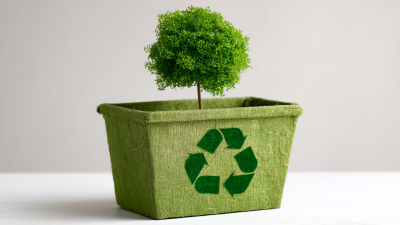
Why Waste Recycling Is Essential for a Sustainable Future
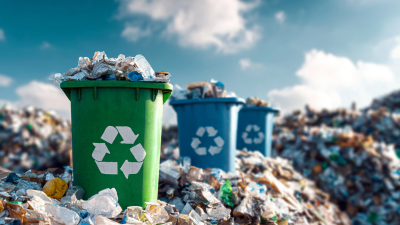
In an era marked by increasing environmental challenges and finite natural resources, the importance of waste recycling has never been more pronounced. Waste recycling is not merely a process of discarding unwanted items; it represents a transformative approach to resource management that holds the key to achieving a sustainable future. As urbanization accelerates and consumerism burgeons, the quantity of waste generated continues to rise, placing immense pressure on landfills and ecosystems. By implementing effective waste recycling practices, we can significantly reduce the strain on our planet, conserve vital resources, and mitigate the negative impacts of waste on the environment.
Moreover, waste recycling fosters a circular economy, where materials are reused and repurposed rather than being disposed of. This shift not only minimizes landfill usage but also promotes innovation in material science and manufacturing processes. The benefits of waste recycling extend beyond environmental preservation; they encompass economic opportunities in job creation and the development of green technologies. As we move toward a more sustainable future, it is imperative that communities, businesses, and individuals prioritize waste recycling in their daily lives and decision-making processes. Embracing this vital practice will pave the way for a healthier planet and a more resilient society.

The Importance of Waste Recycling in Environmental Conservation
Waste recycling plays a vital role in environmental conservation by reducing the amount of waste sent to landfills and minimizing pollution. When materials like paper, glass, plastic, and metals are recycled, they can be transformed into new products, conserving natural resources and energy. This process not only helps to lower greenhouse gas emissions but also reduces the need for raw material extraction, which can be environmentally damaging. By committing to waste recycling, communities can contribute to cleaner ecosystems and promote sustainable practices.
Tips for effective waste recycling include educating yourself and others about what materials can be recycled, as different regions have varying regulations. Always rinse out containers before placing them in recycling bins to prevent contamination. Additionally, consider composting organic waste, which not only diverts material from landfills but also enriches soil and reduces the need for chemical fertilizers.
Another important tip is to reduce waste at the source by choosing products with minimal packaging and opting for reusable items whenever possible. By making mindful decisions about consumption, individuals can directly impact waste generation and contribute to a healthier planet. The effort put into recycling and conscious consumption paves the way for a sustainable future that benefits both the environment and society.
Why Waste Recycling Is Essential for a Sustainable Future - The Importance of Waste Recycling in Environmental Conservation
| Waste Type |
Recycling Rate (%) |
Environmental Impact (CO2 Equivalent Saved per Ton) |
Economic Benefit (USD) |
| Plastic |
30% |
1,500 kg |
$300 |
| Paper |
60% |
1,200 kg |
$150 |
| Glass |
50% |
800 kg |
$200 |
| Metals |
90% |
3,200 kg |
$500 |
| Organic Waste |
40% |
700 kg |
$100 |
Economic Benefits of Waste Recycling for Sustainable Development
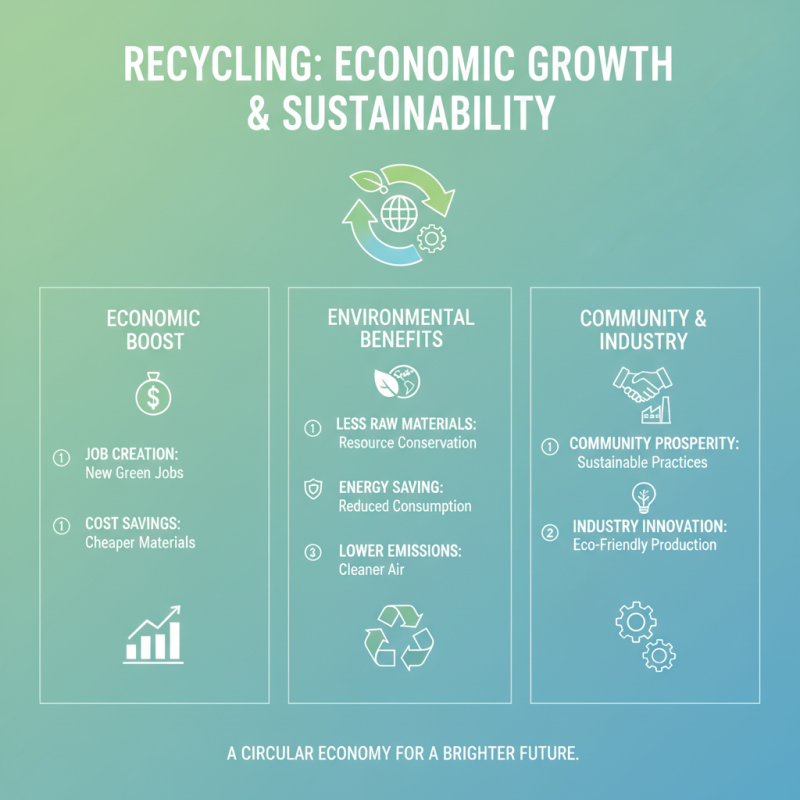
Recycling waste is not merely a responsible practice; it plays a crucial role in bolstering economic development while promoting environmental sustainability. By transforming discarded materials into reusable resources, recycling reduces the need for raw materials, conserves energy, and limits greenhouse gas emissions. This economic transformation fosters job creation in the recycling and manufacturing sectors, allowing communities to thrive through sustainable practices. Moreover, recycled materials are often less expensive than virgin materials, encouraging industries to adopt eco-friendly practices that not only benefit the planet but also enhance their financial performance.
Tips for effective waste recycling include encouraging local communities to participate in recycling programs, which can significantly amplify the impact of such initiatives. Educating citizens on the value of recycling and the processes involved can lead to higher participation rates and a more engaged public. Additionally, businesses can invest in recycling infrastructure, thus facilitating more efficient waste collection and processing. Collaborating with local organizations to host recycling drives can also generate community interest and increase awareness about the financial benefits of responsible waste management.
Moreover, embracing innovative technologies can streamline the recycling process, reducing costs, and making operations more efficient. Solutions such as advanced sorting systems and waste-to-energy technologies help maximize the potential of recycled materials, turning waste into valuable resources. This not only reinforces economic growth but also contributes to a more sustainable future for generations to come.
Technological Innovations in Waste Recycling Processes
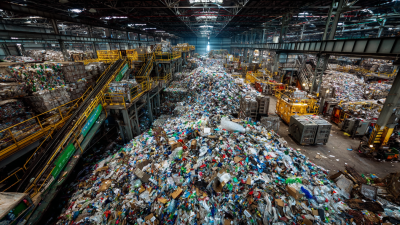
Technological innovations are transforming waste recycling processes, making them more efficient and effective in addressing the growing waste crisis. Advanced sorting technologies, such as artificial intelligence and machine learning, enable recycling facilities to identify and separate materials with greater precision. These systems can analyze vast amounts of data in real-time, ensuring that recyclables are sorted accurately, reducing contamination and increasing the recovery rates of valuable materials.
In addition to advanced sorting, new recycling methods, such as chemical recycling and bioprocessing, are emerging. Chemical recycling breaks down plastics into their monomers, allowing for their reuse in new products without degrading their quality. Similarly, bioprocessing utilizes microorganisms to degrade organic waste, converting it into biofuels or other useful materials. These innovative approaches not only enhance recycling rates but also minimize environmental impact by reducing the need for virgin materials and lowering greenhouse gas emissions. As technology continues to evolve, it holds the potential to create a more sustainable and circular economy, where waste is no longer seen as a burden but as a resource.
Waste Recycling Rates and Technological Innovations
This bar chart illustrates the increasing recycling rates from 2015 to 2021, highlighting the impact of technological innovations in recycling processes that have contributed to a sustainable future.
Challenges and Solutions in Implementing Effective Recycling Systems
Effective waste recycling systems are hindered by a variety of challenges that must be addressed to create a sustainable future. One significant issue is the lack of public awareness and education about recycling practices. Many individuals are uncertain about what materials can be recycled and how to properly sort waste. This confusion often leads to contamination, where non-recyclable items are mixed with recyclables, undermining the entire recycling process. To combat this, comprehensive educational campaigns and community workshops can be implemented to inform the public on the importance of proper recycling and its environmental impact.
Another challenge lies in the infrastructure needed to support efficient recycling. In many regions, especially urban areas, the existing waste management systems are not equipped to handle larger volumes of recyclables. This inefficiency results in materials being sent to landfills instead of being processed for reuse. Investing in advanced recycling technologies and enhancing collection methods can provide solutions. Additionally, establishing partnerships between municipalities and recycling facilities can streamline the process, ensuring that recyclable materials are collected, sorted, and processed more effectively.
The Role of Individuals and Communities in Promoting Recycling Practices
Individuals and communities play a pivotal role in promoting recycling practices, which are fundamental to reducing waste and fostering a sustainable environment. At the individual level, adopting simple actions such as separating recyclables from general waste or utilizing local recycling facilities can significantly amplify the effectiveness of recycling efforts. Personal accountability and education are key elements; when people understand the impact of their choices, they are more likely to engage in sustainable practices. Initiating conversations about recycling and sharing tips with friends and family can create a ripple effect, encouraging others to join the movement toward a greener planet.
On a community scale, collaboration can lead to more robust recycling initiatives. Local governments and organizations can organize workshops and events to raise awareness about the importance of recycling, while creating accessible recycling programs that engage residents. Community clean-up events not only beautify neighborhoods but also promote a culture of environmental responsibility. When individuals come together to advocate for recycling and adopt communal practices, the collective effort fosters a sense of belonging and shared purpose, reinforcing the importance of sustainability in daily life. By working together, communities can turn recycling from a solitary act into a shared commitment, paving the way for a more sustainable future.