
What Are the Top Types of Bicycle Socks?
Choosing the right Bicycle Socks can change how a ride feels from the first pedal stroke. A well-fitted pair can reduce friction, manage sweat, and keep your feet comfortable inside snug cycling shoes. That matters during a short city commute and a long mountain climb.
Cyclists usually compare lightweight synthetic socks, merino wool styles, compression socks, ankle designs, crew-length socks, and aerodynamic options. Each type serves a different purpose. Thin polyester socks often dry quickly after rain or heavy sweating. Merino wool can feel warmer on cool mornings and resist unpleasant odors. Compression models may provide a supportive sensation, although comfort and fit vary between riders.
Small details matter.
A flat toe seam can prevent pressure across the forefoot. A reinforced heel may survive repeated contact with stiff shoe interiors. Breathable mesh panels can help when temperatures rise, but they may feel too cool during a winter descent. These observations reflect common riding experience, product construction, and practical textile knowledge. Still, no single sock suits every cyclist.
I once chose an extremely thin pair for a hot ride and regretted it after several hours. My feet stayed cool, but the fabric offered little cushioning. That mistake changed how I evaluate socks. Material, height, padding, moisture control, and shoe compatibility deserve equal attention.
This guide compares the top types of Bicycle Socks through those practical factors. It also considers real riding conditions, from damp roads to dusty trails, so readers can make a more reliable choice. The “best” option may depend less on fashion than on fit, weather, distance, and personal sensitivity.
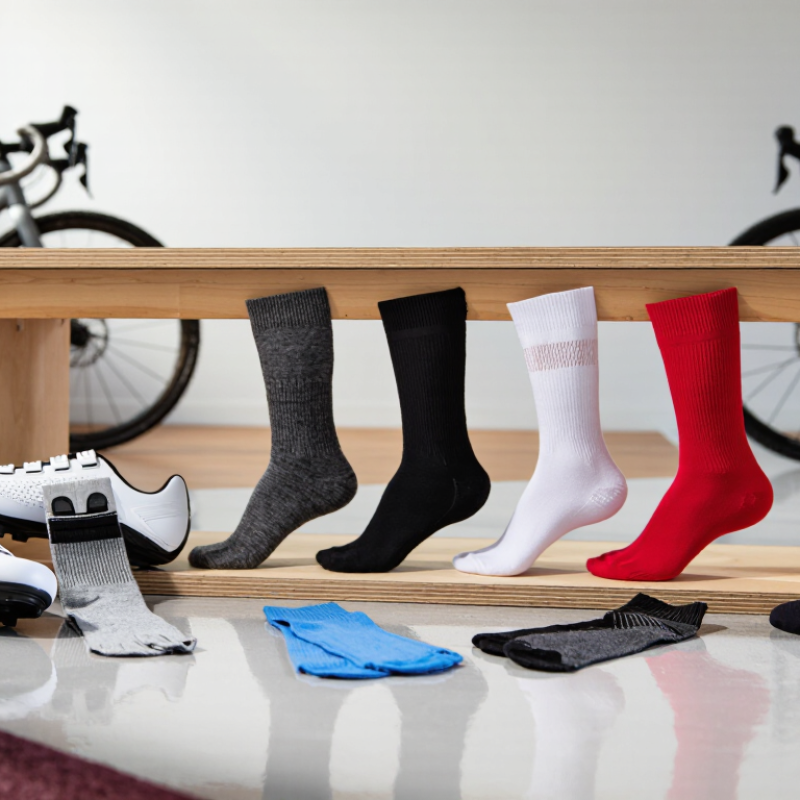
How Bicycle Socks Are Defined and Classified
Bicycle socks are defined by their purpose, fit, and construction, not by appearance alone. They usually have a close-fitting shape, breathable fabric, and light compression around the foot. Cycling-specific designs often include reinforced toes, smooth seams, and elastic cuffs that stay in place while pedaling. The cuff height also helps classify them: ankle, quarter, crew, and taller versions offer different coverage and style.
Material creates another useful category. Lightweight synthetic blends dry quickly during intense rides, while merino blends provide warmth and resist unpleasant odors. Summer socks are usually thin and highly ventilated. Winter versions may use thicker knitting, thermal fibers, or wind-resistant panels. Some socks are designed for road cycling, while others suit mountain riding, commuting, or indoor training. These groups overlap. A warm commuter sock may work poorly inside a tight cycling shoe.
Tips: Check the sock against your shoe fit. Extra thickness can create pressure over the toes. On long rides, I prefer a smooth toe area and a firm cuff that does not leave deep marks. Measure your foot rather than trusting a universal size label. I once chose a tall, heavy pair for a cool morning, but my feet overheated after climbing. That choice was not perfect. Personal comfort, weather, and riding intensity should guide classification more than fashion.
The Main Types of Bicycle Socks by Riding Purpose
What Are the Top Types of Bicycle Socks?
The Main Types of Bicycle Socks by Riding Purpose
Bicycle socks should match the ride, not just the jersey. PeopleForBikes’ 2024 study reported 112 million Americans riding bicycles in 2023. That broad audience needs more than one sock design.
For commuting, choose breathable ankle or crew socks with light cushioning. They handle office shoes, traffic stops, and warm pavement well. Reflective details can improve visibility during darker rides. They are practical, but rarely glamorous.
Road cyclists usually prefer thin, close-fitting socks. Their smooth fabric reduces friction inside narrow cycling shoes. A firm arch band can also limit slipping during repeated pedaling. The 2024 SFIA Topline Participation Report recorded more than 50 million U.S. cycling participants, showing how varied road equipment needs have become.
Gravel riders need a tougher compromise. Mid-calf socks with reinforced heels can resist dust, grass, and rough shoe edges. Merino blends add warmth when temperatures change across open roads. They may feel warmer than expected on steep climbs.
Mountain bikers often benefit from taller socks. These help shield ankles from brush, mud, and pedal strikes. Extra cushioning can soften impacts on rocky trails. However, thick socks may create pressure inside snug shoes.
Winter and endurance rides demand thermal control. Choose wool-blend insulation, moisture management, and enough room for circulation. I have found that “maximum warmth” can backfire when feet sweat early. The wrong pair becomes cold later. Socks also wear differently for every rider, so field testing still matters.
How Materials Shape Comfort, Support, and Performance
What Are the Top Types of Bicycle Socks?
How Materials Shape Comfort, Support, and Performance
When choosing bicycle socks, material often matters more than color or ankle height. During long rides, trapped sweat can create hot spots and blisters. Polyester and nylon move moisture outward and dry quickly. Added elastane helps the sock stay smooth around the arch. That stability reduces bunching inside a cycling shoe. It feels minor. It is not.
Merino wool offers a different advantage. Its fine fibers manage moisture and temperature across changing conditions. They can feel warm during cool climbs and less clammy during descents. Merino also resists odor naturally, which helps when washing options are limited. However, thin merino may wear faster against rough shoe interiors. I have found that a small synthetic blend often improves durability without losing softness. This is not universal. Foot shape and shoe fit still matter.
For hot weather, lightweight synthetic socks with ventilated panels improve airflow over the instep. Dense cushioning can protect the sole, but excessive padding may make a tight shoe restrictive. Compression-style cuffs can support the lower leg and prevent slipping, yet they should never cause numbness. Seam placement deserves attention. A flat toe seam reduces pressure at the front of the foot, especially on long climbs. Cotton remains comfortable for casual rides, but it holds moisture longer and can become heavy. I still choose it for short errands, despite knowing it is not my best performance option.
Choosing Sock Height, Thickness, and Fit for Cycling
The right bicycle sock starts with height, not fashion. The 2024 Outdoor Industry Association Participation Trends Report recorded 175.8 million U.S. outdoor participants in 2023. That range includes commuters, gravel riders, and hot-weather racers. Their needs differ.
Crew-height socks protect skin from shoe edges and roadside debris. Ankle socks feel cooler, but may expose the Achilles area. For trail riding, I usually prefer a crew cuff. For indoor training, a shorter cuff often feels sufficient. The 2024 SFIA Topline Participation Report also recorded more than 50 million U.S. bicycling participants, showing how widely cycling habits vary.
Thickness should match shoe volume and temperature. Thin, dense-knit socks reduce pressure inside close-fitting shoes. Medium cushioning suits longer rides and cooler mornings. Thick socks can create numb toes when the shoe already fits tightly. That mistake is easy to make.
Fit matters more than padding. Look for a smooth toe seam, a firm arch band, and a cuff that stays up without squeezing. Merino blends can manage moisture, while synthetic fibers often dry faster during repeated training. Cotton feels comfortable at first, but it retains sweat. I still use it casually. That choice is not ideal for long rides.
Test socks with cycling shoes before buying several pairs. Walk, pedal, and check for heel movement. A perfect fit on paper can fail after two hours.
What Are the Top Types of Bicycle Socks?
Choosing sock height, thickness, and fit for cycling
Sock height is mainly a matter of coverage, comfort, and personal preference. The chart uses representative midpoints from common cycling sock height ranges; exact measurements vary by construction and size. Lightweight socks are generally suitable for warm conditions, while medium or thicker cushioning can improve comfort and warmth. Choose a close, smooth fit that holds the foot without restricting circulation, bunching, or creating pressure points.
Matching Bicycle Sock Types to Different Riding Conditions
Bicycle socks should match the weather, ride length, and shoe fit. For hot road rides, choose thin mesh socks with a low-bulk toe seam. Their open knit helps heat escape around the foot. The American College of Sports Medicine notes that fluid losses above 2% of body mass can reduce exercise performance. Damp socks cannot prevent that loss, but they can reduce rubbing and hot spots. I prefer a cuff that stays firm without leaving deep marks.
Cool mornings need different protection. Merino-blend or thermal cycling socks retain warmth while managing moisture. For wet commutes, synthetic fibers usually dry faster than heavier natural fibers. A waterproof overshoe may matter more than the sock itself. ISO 11092 evaluates textile thermal and evaporative resistance, giving manufacturers a useful test framework. Still, laboratory results cannot fully predict a muddy, windy descent.
Tips: Match sock thickness to your shoe volume. A thick winter sock inside a tight shoe can restrict circulation. Check the forecast, then pack one spare pair in a sealed bag. During long rides, inspect your feet at rest stops. Redness often appears before a blister. I sometimes choose a lighter sock than expected, and that is not always wise. Temperature, rain, and personal sweat rates change the decision. For high-intensity summer rides, moisture-wicking socks with mesh panels are usually the safer starting point.
What Are the Top Types of Bicycle Socks? - Matching Bicycle Sock Types to Different Riding Conditions
| Bicycle Sock Type | Best Riding Conditions | Typical Fiber Blend | Main Features | Recommended Coverage | Key Considerations |
|---|---|---|---|---|---|
| Lightweight Road Socks | Warm, dry road rides; racing and fast group rides | Polyester or nylon with a small amount of elastane | Low bulk, quick drying, breathable mesh zones, close fit | Ankle to mid-calf | Offers limited insulation and may feel cold in wind or shade |
| Moisture-Wicking Socks | Hot, humid, or high-sweat rides | Synthetic moisture-managing fibers, often with elastane | Moves sweat away from the skin, dries quickly, reduces damp friction | Ankle to mid-calf | Choose a secure fit without excessive compression or tight elastic |
| Merino Wool Socks | Cool, changeable, or multi-day riding conditions | Merino wool blended with nylon or elastane for durability | Temperature regulation, odor resistance, moisture absorption | Ankle to knee-high | Dries more slowly than thin synthetic fibers and can be more expensive |
| Thermal Cycling Socks | Cold-weather road rides and winter training | Brushed synthetic fibers, wool blends, or both | Higher insulation, terry cushioning, warm toe area | Mid-calf to knee-high | Check shoe space carefully because thick socks can restrict circulation |
| Compression Cycling Socks | Long rides, travel before or after riding, and riders who prefer firm support | Nylon or polyester with elastane and graduated stretch zones | Close support around the lower leg, stable fit, reduced fabric movement | Mid-calf to below the knee | Sizing is important; excessive tightness can cause discomfort or numbness |
| Cushioned MTB Socks | Mountain biking, gravel, rough trails, and off-road riding | Durable nylon or polyester with elastane and padded sections | Reinforced heel and toe, impact cushioning, abrasion resistance | Crew to mid-calf | More cushioning may increase heat and reduce room inside snug shoes |
| Water-Resistant Oversocks | Light rain, road spray, and cool wet conditions | Coated stretch fabric or laminated textile over a cycling sock | Helps shield shoes and feet from spray, wind, and splashes | Ankle to above the ankle; often covers the shoe | Not all models are fully waterproof; seams, openings, and shoe vents can admit water |
| Reflective Cycling Socks | Low-light commuting, dawn rides, and evening cycling | Synthetic performance fabric with reflective yarn or printed details | Adds moving reflective elements while retaining normal sock functions | Ankle to mid-calf | Reflective details improve visibility but do not replace lights or other safety equipment |