
Why Choose Aluminium Windows and Doors?
Aluminium windows and doors pair slim sightlines with strong, lightweight frames. Their appeal is practical: broad glass panels, narrow profiles, and finishes suited to modern homes and commercial buildings. Yet material alone does not guarantee comfort. Frame design, glazing, installation quality, and local climate all shape real-world performance.
The U.S. Department of Energy’s Energy Saver guidance estimates that windows account for about 25–30% of residential heating and cooling energy use. This makes glazing and frame performance worth careful attention. Aluminium conducts heat readily, so look for thermally broken frames and suitable glazing rather than assuming every system insulates well. Details matter. For buyers comparing Window Door Aluminium options, ask for tested performance data and clear specifications. The International Aluminium Institute reports that recycling aluminium uses about 5% of the energy required to produce primary aluminium, supporting its long-term material value. Still, recycled content and recyclability depend on sourcing and local recovery systems. Aluminium can resist warping and support large openings, but it may cost more than some alternatives, and poor installation can undermine its advantages. A frame can look excellent in a showroom. It must also perform through cold mornings, summer sun, and years of daily use. These trade-offs deserve a closer look.
What Aluminium Windows and Doors Are Made Of
An aluminium window or door begins with an extruded frame: heated alloy is pressed through a shaped die to create long profiles, then cut and assembled. The alloy commonly includes magnesium and silicon, which help balance strength, formability, and weather resistance. Inside the frame, narrow chambers can reduce heat transfer and add stiffness. Many thermally broken systems also place a polyamide strip between the outer and inner aluminium sections. It is a small part, but it matters. Glazing, seals, drainage paths, and metal hardware complete the assembly; the frame alone does not determine performance.
Material choices have an environmental dimension, too. The International Aluminium Institute’s aluminium-recycling guidance reports that recycling aluminium uses about 5% of the energy needed to produce primary aluminium. That is a striking saving, though it does not mean every window contains recycled metal or performs equally well. Ask for documented recycled-content figures and the whole-window thermal data, not just claims about the frame. A good specification should identify the alloy, thermal-break material, glazing build-up, and finish. Details can be easy to overlook. Even a well-made frame may disappoint if its seals are poorly fitted or its drainage channels are blocked.
Why Choose Aluminium Windows and Doors? — What They Are Made Of
| Component | What It Is Made Of | Purpose and Practical Features |
|---|---|---|
| Frame and sash profiles | Usually extruded aluminium alloy; 6063 is commonly used for architectural profiles. | Provides the window or door’s structural framework. Aluminium is lightweight, corrosion-resistant, and can be formed into slim profiles. |
| Thermal break | In thermally improved systems, a low-conductivity polyamide strip, often reinforced with glass fibre, separates the inner and outer aluminium sections. | Reduces heat transfer through the frame. Its performance depends on the profile design, glazing, seals, and installation. |
| Glazing | Single, double, or triple panes of glass; insulating units typically include a sealed cavity, sometimes filled with inert gas. | Provides daylight and views while influencing insulation, noise reduction, solar gain, and safety. The appropriate specification depends on the building and climate. |
| Glazing seals and gaskets | Flexible elastomers such as EPDM or silicone, selected according to the system design. | Help keep glazing in place and limit air and water entry. Seals should be inspected and maintained over time. |
| Weather seals | Commonly EPDM, silicone, or brush-pile materials, depending on the opening type and location. | Fit around opening sections to reduce drafts and water penetration when the unit is closed. |
| Surface finish | Often a powder-coated finish or an anodised aluminium surface. | Provides colour and helps protect the surface. Durability depends on the finish specification, exposure, and routine cleaning. |
| Hardware | Components may include hinges, handles, locks, rollers, and fasteners made from materials such as stainless steel or coated metals. | Enables opening, closing, adjustment, and locking. Hardware type varies with the window or door configuration. |
| Drainage and ventilation details | Designed openings and channels formed in the frame, sometimes combined with vents or pressure-equalisation features. | Allow water that enters the outer frame channels to drain away. Drainage paths should remain clear for the system to work as intended. |
How Aluminium Frames Are Manufactured and Finished
An aluminium window begins as an alloy billet, not a finished frame. The billet is heated, then pressed through a steel die. This creates hollow profiles with chambers for drainage, hardware, and thermal breaks. After cooling, profiles are stretched straight, cut to length, and often artificially aged for strength. In many thermally broken systems, polyamide strips are crimped between the inner and outer aluminium sections. Tolerances matter. A slight twist can complicate corner joints or create uneven gasket pressure.
Before coating, surfaces are cleaned and pre-treated; otherwise, contamination can weaken adhesion. Anodising builds a controlled oxide layer, while powder coating is electrostatically applied and oven-cured. The International Aluminium Institute’s Aluminium Recycling fact sheet reports that recycled aluminium needs about 5% of the energy used for primary production. That figure concerns recycling, not extrusion or coating, so it should not be mistaken for a whole-window footprint. Fabricators also check dimensions, drainage slots, coating coverage, and corner seals. A durable finish cannot correct poor assembly. Small defects show.
Why Choose Aluminium Windows and Doors?
How Aluminium Frames Are Manufactured and Finished
Aluminium profiles are formed by heating and pushing a billet through a shaped die. Frames may then be artificially aged for strength and finished with a protective coating. Temperatures shown are typical ranges; actual settings vary with the alloy, profile, and coating system.
Key Performance Features of Aluminium Windows and Doors
Aluminium windows and doors are valued for their strength, but performance depends on more than the frame material. A well-designed frame can support large panes with relatively narrow sightlines, bringing daylight into a room without making the structure feel bulky. Thermal breaks separate the inner and outer parts of the frame, reducing heat transfer. Without them, aluminium can conduct heat readily. Details matter.
Glazing, seals, and drainage work together to manage comfort and weather. Double or triple glazing can help limit heat loss and outside noise, while correctly fitted gaskets reduce draughts and water entry. Drainage channels should let rainwater escape rather than collect inside the frame. Even a strong window can underperform if installation leaves gaps around its edges. That part is easy to underestimate.
Durable powder-coated or anodised finishes can resist everyday wear, though coastal air and neglected cleaning may still affect surfaces over time. Aluminium usually needs less upkeep than painted timber, but it is not maintenance-free. Check seals, tracks, and drainage openings during routine cleaning. A practical specification should match the building’s climate, orientation, and ventilation needs. More glass is not always better; summer glare and heat gain deserve attention too.
Design Options and Common Applications
Why Choose Aluminium Windows and Doors?
Design Options and Common Applications
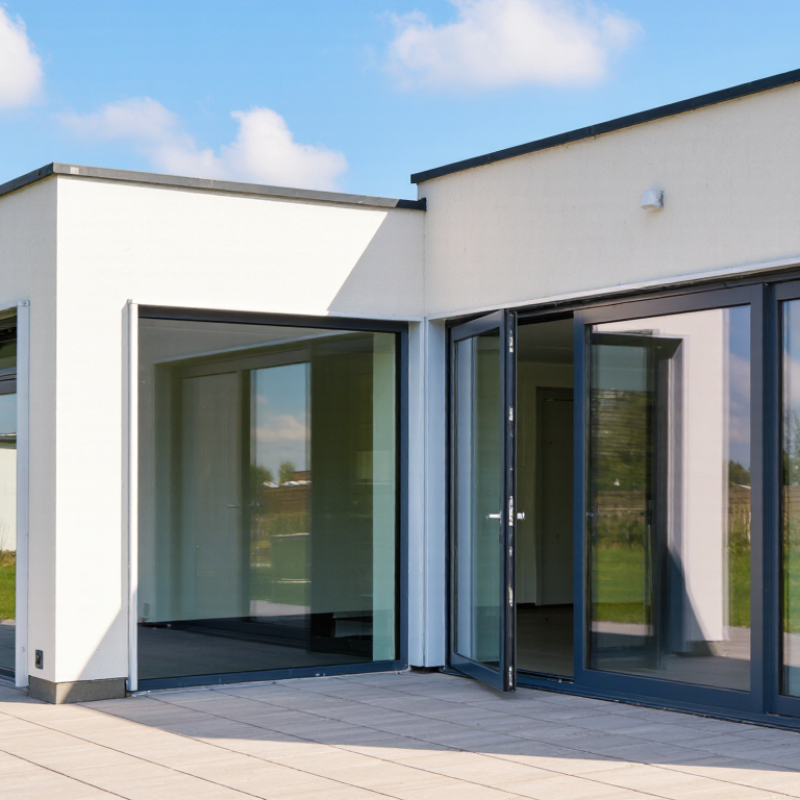
Aluminium frames suit contemporary homes, renovations, offices, and shopfronts. Their strength allows slim profiles, which can admit more daylight without bulky borders. Choose sliding doors for patios, casement windows for ventilation, or large fixed panes for views. Powder-coated finishes offer varied colours, while anodised surfaces create a restrained metallic look. Thermal breaks and suitable glazing matter: metal conducts heat readily, so frame design affects comfort. The U.S. Department of Energy’s Energy Saver guidance estimates that windows account for about 25–30% of residential heating and cooling energy use. The exact figure varies by home and climate.
Common applications include balcony doors, corner windows, glazed extensions, and commercial entrances exposed to frequent use. For coastal or humid sites, ask a qualified installer about drainage, hardware, and finish durability. Larger glass areas can brighten a room, but they may increase glare and summer heat. That trade-off deserves attention. A showroom sample can also look different beside your actual flooring and wall colour.
Tips: Match frame colour to nearby materials, not just a catalogue image. Check sightlines, opening clearance, and glazing performance before ordering. For bedrooms facing busy streets, compare acoustic glazing options. Small details matter. And aluminium is not automatically the best choice for every project; climate, budget, and installation quality should guide the decision.
Factors to Consider When Choosing Aluminium Frames
Choosing aluminium windows and doors means weighing thermal performance, durability, and installation—not just appearance. Aluminium conducts heat readily, so look for frames with a continuous thermal break separating the interior and exterior metal. Check the whole-window U-factor and solar heat gain coefficient (SHGC), rather than judging the frame alone.
That figure makes glazing, seals, and frame design worth checking together.
Ask for certified performance ratings and confirm they suit your climate and orientation. A low U-factor can help limit heat transfer; SHGC matters when strong sun reaches south- or west-facing glass. Also inspect corner joints, weather seals, drainage paths, and finish quality. They are small details, but poor installation can undermine a well-rated product. In coastal areas, ask how the finish is tested for exposure to salt and moisture. Looks matter, but perhaps too much. It is easy to overvalue a slim profile and overlook the glass specification or installer’s workmanship. Compare the complete window or door assembly, not frame samples alone.