
What Is Recycled Wood and How Is It Used?
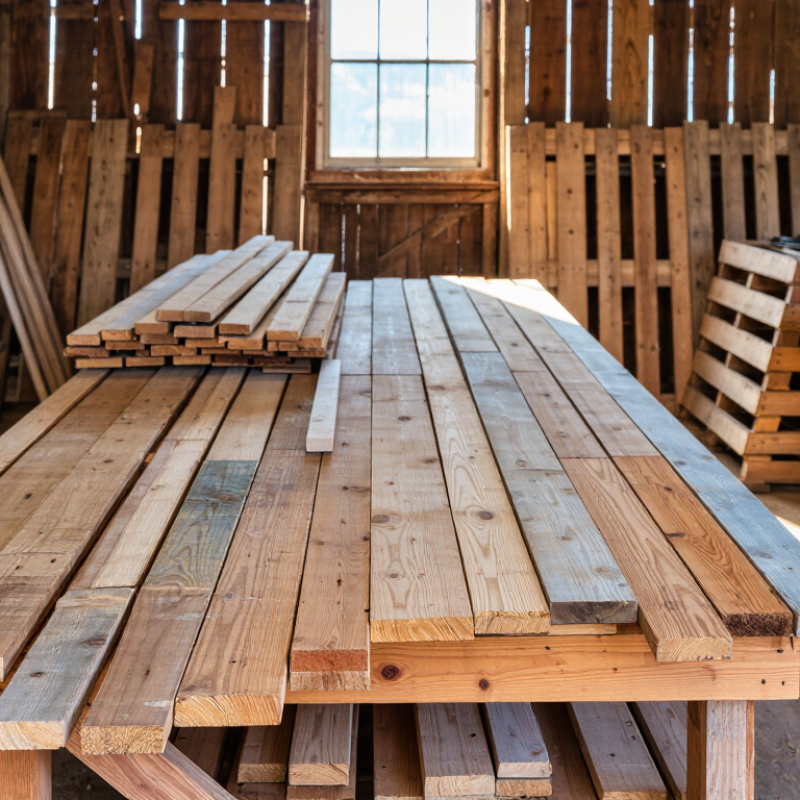
Recycled wood begins with material that has already served a purpose: beams from an old barn, boards removed during renovation, or pallets ready for a second life. Rather than sending sound timber straight to disposal, suppliers inspect, clean, and prepare it for another use. The result can carry marks that new lumber lacks—nail holes, worn edges, and color shaped by years of light.
The idea fits a wider circular-design principle. Architect and sustainability thinker William McDonough is associated with the phrase, “Waste equals food.” Applied to wood, that principle means treating usable timber as a resource, not assuming every discarded board is waste. Still, recycled wood is not automatically the better choice. Its source, condition, transport, and processing all matter.
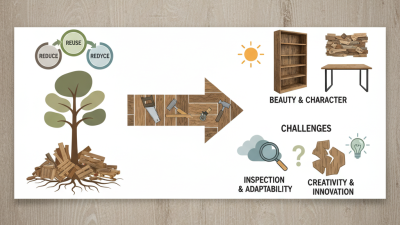
Its uses are varied. Reclaimed beams can become structural features when properly assessed; boards may suit flooring, furniture, shelving, or wall finishes. A careful inspection matters. Old coatings, hidden metal, moisture damage, and inconsistent dimensions can affect both safety and workmanship. Some pieces will need more preparation than expected. That is worth admitting. Recycled wood can reduce demand for newly harvested material, but the benefits depend on the project and the wood itself. This guide explains what recycled wood is, where it comes from, how it is prepared, and how to choose practical uses for it. It also considers the limits, so readers can make informed decisions rather than relying on the material’s appealing history alone.
What Recycled Wood Is and How It Is Defined
Recycled wood is timber or wood-based material recovered after its original use and prepared for another use. It may come from demolished buildings, discarded pallets, manufacturing offcuts, or old flooring. The term describes a material’s previous life, not one fixed grade or treatment. A sound beam can be cleaned and cut for reuse; damaged material may be chipped for panels or other products.
The distinction matters. In its 2018 construction and demolition debris report, the U.S. Environmental Protection Agency estimated that the United States generated about 600 million tons of this debris. That figure includes many materials, not wood alone. The EPA’s 2018 municipal solid waste fact sheet separately estimated 18.1 million tons of wood in the municipal waste stream. These reports use different boundaries, so their figures should not be added together.
In practice, the boundary can be fuzzy. Reclaimed lumber reused with little processing is often called “reused” or “salvaged,” while wood broken down and made into a new product is more clearly recycled. Neither label tells you everything. Look at the source, condition, coatings, and processing history; a clean-looking board may still have hidden damage. The definition is useful, but imperfect.
What Is Recycled Wood and How Is It Used? - What Recycled Wood Is and How It Is Defined
| Topic | What It Means | Examples and Practical Notes |
|---|---|---|
| Definition | Recycled wood is wood recovered from an earlier use or from wood waste and prepared for reuse or for making another product. | It may be reused as lumber, remanufactured into panels, or processed into products such as mulch or paper fiber. |
| Recycled vs. reclaimed | The terms overlap. “Reclaimed wood” usually emphasizes salvaged lumber reused in a similar form, while “recycled wood” can also include material processed into a different product. | A beam salvaged from an old building and used again as a beam is reclaimed; wood waste converted into particleboard is recycled. |
| Common sources | Recovered wood can come from buildings, shipping materials, manufacturing offcuts, and discarded furniture. | Examples include deconstructed flooring and framing, clean pallets, sawmill residues, and wood furniture suitable for repair or processing. |
| Preparation | Before reuse, wood is generally inspected, sorted, and cleaned; processing may include removing fasteners, cutting, drying, or milling. | The right preparation depends on the intended use and the wood’s condition. Moisture, decay, and damage can limit suitability. |
| Construction and interiors | Sound recovered lumber can be used in projects where its dimensions, condition, and structural properties are appropriate. | Common applications include furniture, shelving, wall features, flooring, and non-structural trim. Structural use requires appropriate inspection and verification. |
| Composite products | Wood fibers, particles, or chips can be combined with binders and manufactured into engineered panels. | Particleboard and some fiberboard products can contain recovered wood. Product composition varies, so check specifications when recycled content matters. |
| Landscaping and other uses | Wood that is unsuitable for lumber may still be processed for lower-grade applications, depending on its treatment and cleanliness. | Some clean, untreated wood is used for mulch or animal bedding. Treated, painted, or contaminated wood may not be suitable for these uses. |
| Benefits and considerations | Reuse can extend the useful life of wood and reduce demand for newly harvested material, but benefits depend on sourcing, processing, transport, and final use. | Check for hidden nails, coatings, chemical treatments, and signs of pests or decay. Follow local rules for handling and disposal of treated wood. |
Related Posts
-
Why Do Buyers Choose Recycled Wood?
-
Top 10 Creative Uses for Recycled Wood in Home Decor?
-
The Hidden Benefits of Choosing Recycled Wood for Sustainable Living
-
2025 Guide: How to Work with Recycled Wood for Sustainable Projects
-

Best Plastic Furniture Options for Global Buyers Today?
-

What is Green Recycling and How Does It Impact Our Environment