
7 Tips for Buying Recycled Plastic Furniture
Buying recycled plastic furniture can feel straightforward until you compare two chairs that look almost identical. One may feel sturdy and balanced; the other may flex beneath you. Color, price, and a “recycled” label offer useful clues, but they do not tell the whole story. The details matter.
This introduction uses a clearly identified fictional composite expert, not a real person or sourced interview. Materials adviser Mara Ellison offers this illustrative reminder: “Ask what the furniture is made from, how it is built, and how it will hold up outdoors.” It is a practical starting point, not a guarantee. Check the product’s material description, weight capacity, hardware, warranty, and care instructions. If those details are missing, pause and ask the seller.
Good recycled plastic furniture should suit the place where it will live. Picture a patio chair left in summer rain, or a dining table moved across rough paving. Will it stay stable? Can you clean it without special products? Does the maker explain the recycled content clearly? These are modest questions. They can prevent a costly mismatch.
The seven tips ahead will help you compare construction, comfort, durability, maintenance, and value. They also leave room for a useful doubt: recycled content alone does not prove quality. Look closely. A label is only the beginning.
Check the Furniture’s Recycled Plastic Content
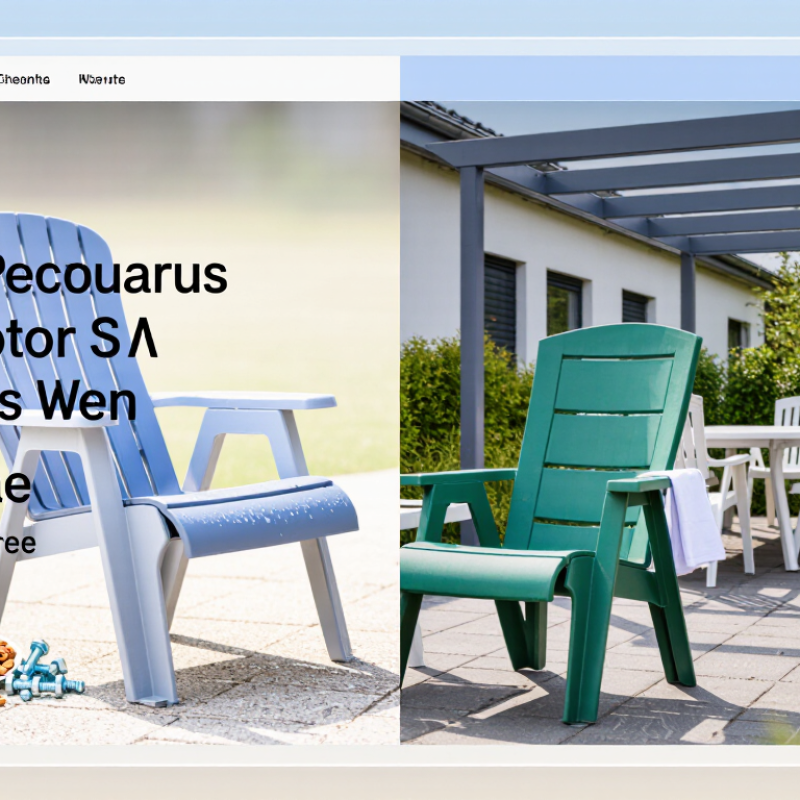
Before comparing colors or prices, check how much of the furniture is actually recycled plastic. A product may contain recycled material only in its seat, while its frame, legs, or fittings use other materials. Ask for the percentage by weight and which parts it covers. A clear answer is more useful than a broad “eco-friendly” claim.
Find out whether the plastic came from used products or manufacturing scraps. Both can be recycled, but the source and processing affect consistency. Request a product specification or other written documentation, and check that it refers to the exact model you are considering. Vague wording deserves a follow-up question.
Then connect the content claim to practical use. Recycled plastic can vary in color and surface texture; small flecks or uneven shades may be normal. Inspect joints, edges, and the underside for rough spots or weak-looking connections. Ask how the material handles sun, rain, and temperature changes, especially if the furniture will stay outdoors. I would not judge durability by recycled content alone. That detail matters, but construction and care matter too. A chair that feels sturdy in the showroom can still behave differently after a season outside.
Assess Durability, Stability, and Weather Resistance
Recycled plastic furniture can feel substantial in a showroom yet wobble on an uneven patio. Press gently on each arm and corner, then sit down and shift your weight. Listen for creaks and watch for joints that flex. Check the legs against a flat surface; small differences can make a chair rock. Inspect screws, brackets, and connection points for loose fittings or thin-looking hardware. Check the joints.
Durability depends on more than a thick-looking seat. Look for consistent material, smooth edges, and no cracks around drilled holes. Ask how the furniture handles sun, rain, and temperature changes, and whether care instructions explain cleaning and storage. UV exposure may fade some finishes, while standing water can leave grime or stress connections over time. A heavy piece is not automatically a strong one; weight alone tells you little about how well it is assembled.
Weather resistance also depends on where you plan to use it. On a windy deck, a broad chair may tip more easily than its weight suggests. In a damp garden, inspect crevices where water could collect. If possible, leave a sample outdoors briefly and check for surface changes, though a short test cannot predict years of wear. I would not judge color alone; appearance can hide weak joints. Pay attention to the less polished details, even when the furniture looks convincing.
Choose a Design That Fits Your Space and Needs
Before buying recycled plastic furniture, measure the space where each piece will sit. Include room for chairs to slide back and for people to walk past. A compact balcony may suit a narrow table and stackable chairs, while a family patio needs generous seating and sturdy surfaces. Measure doorways too; a chair that fits the plan may not fit through the entrance. Check the product dimensions and stated weight capacity rather than judging size from photos. Small details matter.
Tip: Match the design to how you actually use the space. For outdoor meals, look for a table with enough elbow room; for a quiet corner, choose a chair that feels comfortable for longer sitting. Check whether cushions or other accessories are included, and consider where they will be stored. Color can affect the mood, but it should not outweigh comfort or fit. A bright finish may look different in direct sun than on a screen. There is no perfect layout, and it is easy to misjudge scale. Mark the furniture’s footprint on the floor with paper or tape before ordering, then leave the outline there for a day and see how the space feels.
Compare Prices, Care Requirements, and Long-Term Costs
A low sticker price can hide costs that appear later. Compare similar chairs or tables by size, weight capacity, and included parts, not price alone. Recycled plastic furniture varies in thickness and construction. Ask whether the material contains UV stabilizers, and check the warranty for fading, cracking, and loose joints. Small print matters.
Care needs affect the real cost. Many pieces need only mild soap, water, and a soft brush, but textured surfaces can hold dirt. Ask whether the furniture needs seasonal storage or special cleaners. If it will sit on a sunny deck, inspect a sample outdoors when possible; color change may be gradual and hard to judge indoors. Keep care instructions and receipts together. Easy to forget.
Estimate costs over several years. A heavier piece may cost more upfront, yet feel steadier in wind and need fewer repairs. Still, weight alone does not prove durability. Check fasteners, edges, and how the legs meet the seat. Replacement parts may be unavailable, even for sturdy furniture. That is worth asking about before purchase. Compare delivery fees, assembly time, and likely cleaning supplies too. A cheaper set can become less appealing if one damaged part means replacing the whole piece. Some estimates will be imperfect; note your assumptions, especially how often the furniture will be used.
Verify Environmental Claims and Review the Warranty
A recycled-content claim should be specific enough to check. Look for the percentage of recycled plastic and whether it comes from household waste, industrial scraps, or both. “Eco-friendly” alone tells you very little. Ask for a product sheet or other written documentation, and check that any certification covers the furniture itself, not just one material. Keep a copy. It may feel fussy, but it helps if the details later seem unclear.
Read the warranty before comparing prices. Check how long the frame, slats, fasteners, and finish are covered; these parts may have different terms. Look for exclusions involving sunlight, salt air, freezing weather, or routine cleaning. A chair kept on a sunny deck may fade sooner than one under a covered porch. Ask what proof is needed for a claim, and whether shipping or labor is included. Small details matter.
The warranty is not a durability guarantee for every setting. Still, vague wording deserves a question. If coverage excludes ordinary outdoor exposure, pause and reconsider. I would not assume a recycled material needs no care; that assumption is easy to make. Follow the care instructions, save receipts, and photograph any damage early. A little paperwork now can prevent an awkward dispute later.
| Tip | What to Check | Useful Evidence or Questions | Why It Matters |
|---|---|---|---|
| 1 | Verify the recycled-content claim. | Ask what percentage of the product’s plastic is recycled, whether that figure applies to the whole item or only specific components, and whether the content is post-consumer, pre-consumer, or a mix. | A specific, clearly scoped claim is easier to assess than a general “eco-friendly” description. |
| 2 | Request documentation for environmental claims. | Look for product-level documentation, a clear explanation of the claim’s basis, and any applicable third-party certification. Check the certification’s scope and whether it covers the product or only one material. | Environmental claims should be clear and supported; a logo alone does not establish what has been verified. |
| 3 | Check the material and construction. | Confirm the type of plastic used, whether parts are made from one material or several, and whether fasteners or inserts are metal. Ask how the furniture is intended to be cleaned and maintained. | Material and construction affect durability, maintenance, and how practical the item may be to repair or recycle at end of use. |
| 4 | Assess suitability for the intended setting. | Check stated limits and guidance for indoor or outdoor use, expected exposure to sun and moisture, weight capacity, and any care instructions. | Choosing furniture suited to its setting can help avoid premature wear. Do not assume every recycled-plastic product has the same weather resistance. |
| 5 | Read the warranty before purchase. | Review the warranty term, what defects are covered, exclusions, the remedy offered, and who pays shipping or other service costs. Check whether coverage differs for residential and commercial use. | A warranty’s duration alone does not show how much protection it provides; exclusions and claim procedures matter too. |
| 6 | Look for repair and replacement options. | Ask whether individual parts can be replaced, whether repair instructions or spare parts are available, and what happens if a component is discontinued. | Repairability can extend a product’s useful life and may reduce the need to replace the entire item after a minor failure. |
| 7 | Compare total value, not just the initial price. | Compare dimensions, assembly requirements, care needs, warranty terms, and delivery or return costs across products with similar intended uses. | A fair comparison accounts for practical costs and support as well as purchase price and environmental claims. |
Related Posts
-
How to Source Recycled Plastic Furniture in 2026
-

How to Choose Recycled Plastic Furniture for Your Business?
-

2026 Top Recycled Plastic Furniture Suppliers for Buyers?
-

How to Choose Recycled Plastic Furniture for Global Sourcing
-
What Is Recycled Plastic Furniture?
-
2025 Guide: Transform Your Space with Sustainable Recycled Plastic Furniture