What Are the Top Types Made From Recycled Plastic in 2026?

In 2026, products made from recycled plastic are moving beyond simple shopping bags and outdoor benches. Recycled PET now appears in clear bottles, food trays, clothing fibers, and hotel packaging. Recycled HDPE is common in detergent containers, drainage pipes, pallets, and durable storage bins. Recycled polypropylene is gaining attention in automotive parts, battery cases, furniture, and reusable food containers.

The market is also testing recycled LDPE, recycled nylon, and mixed-polymer materials. Each type behaves differently. PET can offer clarity and strength, while HDPE usually provides toughness and chemical resistance. Recycled polypropylene may reduce virgin plastic use in rigid products, but quality can vary between suppliers. Recycled nylon often comes from discarded fishing nets or industrial waste. Small details matter, such as odor, color consistency, melt flow, and contamination levels.

Steve Alexander, president and CEO of the Association of Plastic Recyclers, has said, “Recycling must be viewed as a business, not a charity.” That principle helps explain the industry’s direction. Buyers increasingly request traceable feedstock, third-party certifications, and clear recycled-content percentages. Yet recycled plastic is not automatically sustainable. Collection systems remain uneven, and some products still cannot be recycled efficiently after use. The claim needs checking.

This guide examines the top types made from recycled plastic in 2026, their practical applications, and their limitations. It also considers performance, supply reliability, and verified environmental claims. Some rankings may change quickly. Technology is improving, but the waste stream is still messy.
What Are the Top Types Made From Recycled Plastic in 2026?

What Recycled Plastic Means and How It Is Classified

What Are the Top Types Made From Recycled Plastic in 2026?

Recycled plastic means plastic recovered from waste, cleaned, processed, and used again. Classification starts with its source. Post-consumer plastic comes from used bottles, packaging, and household products. Post-industrial plastic comes from factory scraps before consumer use.

The polymer also matters. Recycled PET often becomes fiber, food containers, or new bottles. Recycled HDPE is used for pipes, storage containers, and household goods. Recycled PP commonly appears in automotive parts, crates, and rigid packaging.

These materials may be mechanically recycled, meaning they are sorted, washed, melted, and reshaped. Chemical recycling uses controlled processes to break polymers into feedstock. The categories overlap sometimes, which can confuse buyers.

The OECD’s Global Plastics Outlook reports that only about 9% of plastic waste was ultimately recycled worldwide in 2019. That figure shows why classification is not just technical language. It affects traceability, performance, and environmental claims. UNEP’s 2023 report estimates that better reuse, recycling, and redesign could reduce plastic pollution by 80% by 2040. The ambition is strong. Measurement still needs improvement.

Tips: Check whether “recycled content” means post-consumer or post-industrial material. Ask for third-party evidence and batch-level records. A recycled label alone proves little. Also examine color, odor, strength, and intended use. Recycled plastic is not automatically better in every application. That deserves honest review.

How Recycled Plastic Is Collected, Sorted, and Processed

What Are the Top Types Made From Recycled Plastic in 2026?

Recycled PET, HDPE, and PP remain widely used materials in 2026. They become bottles, clothing fibers, storage boxes, crates, and durable boards. Their quality begins before processing. Collection crews gather curbside bins, deposit returns, and commercial packaging. Workers remove food residue, tangled film, and unsuitable items. A wet paper cup can spoil a clean stream. This happens more often than many people expect.

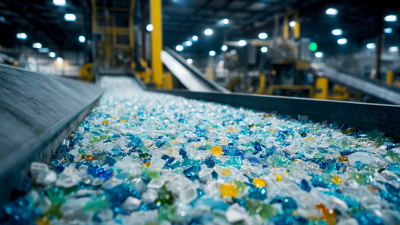
At sorting facilities, conveyor belts, magnets, air jets, and optical scanners separate plastics by resin type, color, and shape. PET often becomes flakes for new containers or synthetic fibers. HDPE can become pipes, bins, and outdoor products. PP is processed into automotive parts, storage boxes, and household goods. The plastic is washed, ground, dried, melted, and formed into pellets. Testing checks moisture, color, strength, and contamination. Still, sorting is not perfect. Dark plastics, layered packaging, and tiny fragments can confuse equipment. A trained operator may remove them by hand.

Tips: Empty containers completely. Keep caps attached when local guidance allows it. Do not place plastic bags in ordinary curbside bins. Store recyclables dry and loose. Check local instructions because accepted items differ. I once assumed every clear tray was recyclable. That assumption was wrong. Better sorting starts with a quick label check.

What Are the Top Types Made From Recycled Plastic in 2026?

How recycled plastic is collected, sorted, and processed. The material order below reflects common post-consumer collection and mechanical-recycling streams, not a single worldwide ranking.

Major Recycled Plastic Types and Their Typical Processing Routes
Common Rank Plastic Type Resin Identification Code Typical Sources in the Waste Stream Collection and Sorting Characteristics Main Processing Steps Common Recycled Outputs Key Technical Considerations
1 Polyethylene Terephthalate (PET) 1 Clear beverage bottles, food containers, trays, and some textile fibers. Usually collected in household recycling systems and identified by near-infrared optical sorters. Clear and colored PET are commonly separated because color affects the value and end use of the recycled resin. Sorting, baling, shredding, washing, label and cap separation, flake drying, and extrusion into pellets. Some applications use solid-state processing for higher-purity recycled resin. New containers, thermoformed sheets, strapping, fiber, carpet yarn, and industrial products. Moisture must be controlled before extrusion. Food-contact applications require appropriate decontamination and regulatory compliance.
2 High-Density Polyethylene (HDPE) 2 Milk and water containers, detergent bottles, shampoo bottles, caps, crates, and household chemical containers. Commonly sorted by resin type and color. Natural, unpigmented HDPE is generally kept separate from colored HDPE because it can produce a wider range of recycled products. Size reduction, friction washing, separation of labels and closures, drying, melt filtration, and pelletizing. Non-food bottles, pipes, bins, pallets, crates, drainage products, and plastic lumber. Colorants, odors, additives, and residues can limit the quality of the recycled material. Containers should be emptied before collection.
3 Polypropylene (PP) 5 Yogurt cups, food tubs, bottle caps, automotive components, reusable containers, and woven sacks. Often separated with optical sorting and density-based equipment. Its lower density allows it to float in water, while some attached materials and fillers may behave differently. Sorting, shredding, hot or cold washing, drying, melt filtration, compounding, and pelletizing. Automotive parts, storage boxes, battery cases, household goods, fibers, non-food packaging, and outdoor products. Food residues, mineral fillers, pigments, and mixed polymers can reduce impact strength and consistency.
4 Low-Density and Linear Low-Density Polyethylene (LDPE/LLDPE) 4 Shopping bags, produce bags, stretch film, shrink film, flexible packaging, and agricultural film. Flexible films can wrap around sorting equipment and are frequently collected through specialized film-recycling channels rather than standard curbside systems. Film consolidation, contaminant removal, washing when required, drying, densification or agglomeration, extrusion, and pelletizing. Trash bags, shipping envelopes, composite lumber, floor tiles, agricultural film, and new flexible film products. High moisture, food contamination, multilayer structures, inks, and non-polymer attachments are major quality challenges.
5 Polystyrene (PS) 6 Rigid food containers, protective packaging, disposable cups, trays, and expanded polystyrene foam. Rigid PS and expanded foam are usually handled separately. Foam is lightweight and bulky, so compaction is often necessary before transport. Sorting, densification or compaction, shredding, washing, drying, extrusion, and pelletizing. Specialized dissolution processes may also be used for selected PS streams. Rigid packaging, office products, insulation-related materials, picture frames, and plastic accessories. Food contamination, low bulk density, additives, and the difficulty of collecting dispersed foam can make recycling economically challenging.
6 Polyvinyl Chloride (PVC) 3 Pipes, flooring, cable insulation, window profiles, medical products, and construction materials. Usually collected through specialized construction, industrial, or product take-back channels. PVC must be kept separate from other plastics because chlorine and additives affect processing. Manual and sensor sorting, removal of metals and attachments, shredding, washing, drying, grinding, and controlled reprocessing. Pipes, flooring, mats, profiles, cable products, and construction components. Different formulations contain different plasticizers, stabilizers, pigments, and fillers. Thermal processing requires strict control to prevent degradation.
7 Other Plastics and Multilayer Materials 7 Polycarbonate products, nylon components, acrylonitrile butadiene styrene, bioplastics, multilayer packaging, and mixed resin articles. Often difficult to identify and sort because the code covers many unrelated polymers. Dedicated collection and specialized identification are generally required. Manual or advanced sensor sorting, disassembly where possible, grinding, washing, selective separation, compounding, or chemical recycling for suitable feedstocks. Engineering compounds, durable molded parts, construction products, chemical feedstocks, and mixed-plastic products. Material incompatibility, additives, multilayer structures, and limited end-market demand can restrict mechanical recycling.

How Recycled Plastic Is Collected, Sorted, and Processed

Stage What Happens Important Data or Quality Measure Why the Stage Matters
1. Collection Plastic is gathered through curbside programs, deposit systems, drop-off centers, commercial recycling, construction recovery, or specialized film collection. Material capture rate, contamination level, collection density, and whether the stream is single-material or mixed. Clean, concentrated streams generally produce more consistent recycled resin and require less sorting.
2. Receiving and Pre-Sorting Loads are weighed, inspected, opened, and screened. Large objects, non-recyclable items, and hazardous materials are removed. Load composition, moisture, visible contamination, and proportion of non-target materials. Early removal protects equipment and reduces contamination in downstream material.
3. Size Reduction Bales or bulky items are opened and plastics are shredded or granulated into smaller pieces. Particle-size consistency, throughput, dust generation, and equipment wear. Uniform pieces improve the performance of optical, magnetic, air, and density separation systems.
4. Material Sorting Manual picking, screens, magnets, eddy-current separators, air classifiers, near-infrared sensors, color cameras, and density separation may be combined. Polymer type, color, object shape, density, moisture, and sorting accuracy. Separating PET, HDPE, PP, films, metals, paper, and non-recyclables improves the quality of the final product.
5. Washing and Cleaning Plastic flakes may undergo pre-washing, hot washing, friction washing, rinsing, and label or adhesive removal. Organic residue, soil, adhesive, odor, moisture, and wastewater load. Cleaning removes contaminants that can cause odor, discoloration, processing defects, or unsafe end uses.
6. Drying and Quality Control Flakes are mechanically and thermally dried, then tested for polymer identity, color, moisture, bulk density, and contamination. Moisture content, foreign-material percentage, color consistency, and polymer purity. Moisture and incompatible polymers can cause hydrolysis, weak products, fumes, or unstable extrusion.
7. Extrusion and Pelletizing Clean flakes are melted, filtered, homogenized, pushed through a die, cooled, and cut into pellets or granules. Melt flow rate, filtration level, color, odor, mechanical strength, and additive concentration. Pelletizing creates a standardized feedstock for manufacturing new plastic products.
8. Manufacturing and End Use Recycled pellets or flakes are molded, extruded, thermoformed, spun into fibers, or blended with virgin resin where specifications require it. Performance requirements, recycled-content percentage, product safety, durability, and market specifications. Stable end markets help keep collected plastic in circulation and support continued recycling activity.

Note: Resin identification codes identify the polymer family; they do not automatically mean that an item is accepted in every local recycling program. Actual acceptance, sorting technology, recycled-content limits, and food-contact eligibility vary by jurisdiction, product design, and end-market requirements.

Top Recycled Plastic Types Used in 2026

Top recycled plastic types in 2026 are rPET, rHDPE, rPP, and recycled polyethylene film. Each material serves a different practical need. rPET appears in clear containers, food trays, and polyester fibers. rHDPE handles detergent bottles, pipes, crates, and thick household packaging. rPP is increasingly used for caps, storage boxes, automotive parts, and reusable transport containers. Recycled LDPE and LLDPE remain useful for refuse sacks, pallet wrap, and flexible packaging.

The OECD Global Plastics Outlook reports that only 9% of global plastic waste was recycled in 2019. That figure explains the pressure behind better sorting and higher recycled content. PET often leads because its bottles are widely collected and mechanically processed. NAPCOR’s 2023 PET Recycling Report recorded a United States PET bottle recycling rate below one-third in 2022. The result is encouraging, but not impressive.

Recycled PVC Polystyrene Nylon also have growing roles. Recycled PVC can support flooring, profiles, and cable applications when additives are controlled carefully. Recycled polystyrene is harder to recover because it is lightweight and often contaminated. Chemical recycling may expand its supply, although energy use and verification still require scrutiny. Recycled nylon is valuable in textiles and engineered components, but collection systems remain uneven. The ranking is not perfectly clean. A bright flake may still hide food residue, mixed polymers, or unknown additives. That small defect can weaken an entire production batch.

Key Products and Industries Made From Recycled Plastic

What Are the Top Types Made From Recycled Plastic in 2026?

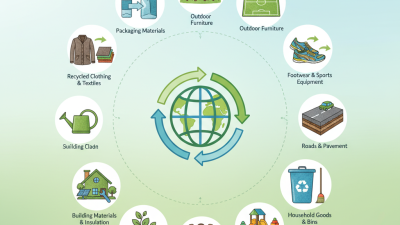
Recycled plastic is moving beyond simple packaging. In 2026, recycled PET remains common in bottles, food trays, clothing fibers, and protective films. Recycled HDPE is widely used for storage containers, drainage pipes, outdoor furniture, and industrial pallets. Recycled polypropylene also supports automotive parts, reusable crates, appliance components, and woven bags.

Construction is becoming an important user of recycled plastic. Composite decking, insulation panels, roof membranes, and traffic barriers can contain recovered polymers. Electronics manufacturers use recycled plastics in casings and internal frames, although heat resistance and purity remain difficult challenges. Medical packaging uses carefully controlled recycled content in selected non-critical applications. Standards and traceability matter greatly here. A cheap material is not always a dependable one.

Tips: Check the resin type, recycled percentage, and testing information before choosing a product. Ask whether the material is post-consumer or factory scrap. Look for clear performance data, especially for outdoor and load-bearing uses. Recycled plastic can reduce waste, but it does not automatically create a sustainable product. Energy use, transport distance, additives, and end-of-life options still deserve attention. Some claims sound impressive. The evidence may be thinner.

How to Compare Performance, Safety, and Environmental Benefits

In 2026, recycled PET, HDPE, PP, and LDPE remain the most useful plastic types. Recycled PET offers strong clarity and stable shape, making it suitable for bottles and food packaging. Recycled HDPE handles impact well and resists many household chemicals. Recycled PP tolerates heat better, supporting caps, storage boxes, and automotive components. Recycled LDPE stays flexible, so it performs well in films and protective wrapping.

Performance is only one test. Safety depends on the waste stream, processing controls, and intended contact. The European Food Safety Authority requires evidence that recycled plastic will not transfer harmful substances into food. Odor, color, and unknown additives can still limit some recycled material. Recycled PET often has clearer traceability than mixed plastic, but quality varies between suppliers. The comparison is less tidy than a product chart suggests.

Environmental benefits also need careful measurement. The OECD Global Plastics Outlook reported that only about 9% of global plastic waste was successfully recycled in 2019. Recycling can reduce demand for virgin resin, yet collection, washing, and heating consume energy. Life-cycle results change with electricity sources, transport distances, and recycled content. A 2023 United Nations Environment Programme report also warned that recycling alone cannot solve plastic pollution. That warning matters. Buyers should request third-party test results, recycled-content verification, migration testing, and life-cycle data. Some claims remain incomplete, and recycled plastic is not automatically the greener choice in every application.