10 Best Plastic Recycling Factories for Global Buyers
Plastic waste is no longer a distant environmental issue. It is a measurable industrial challenge affecting packaging, manufacturing, and international supply chains. The OECD’s Global Plastics Outlook reports that global plastic waste reached 353 million tonnes in 2019, while only 9% was ultimately recycled. That gap creates a clear need for capable, transparent recycling partners.
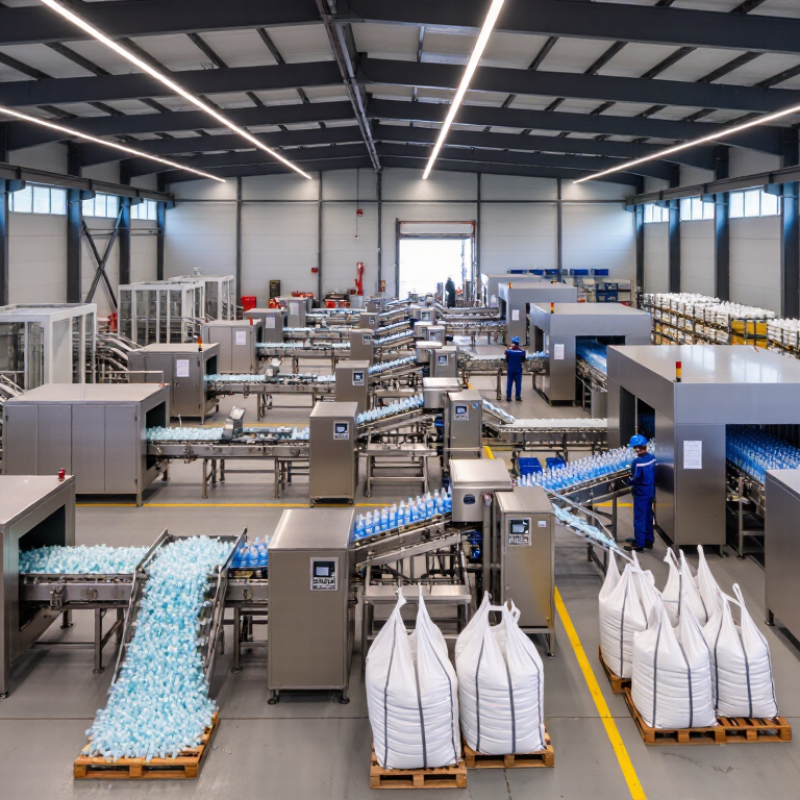
This guide introduces 10 best plastic recycling factory options for global buyers. Each facility should be assessed beyond website claims. Important indicators include processing capacity, feedstock consistency, contamination controls, pellet quality, energy use, and shipment reliability. A factory producing clean PET flakes may suit a textile manufacturer, while a compounder may better serve automotive or appliance suppliers. Physical evidence matters. Buyers should request sample specifications, audit records, laboratory results, and photographs of sorting lines.
UNEP’s 2023 Turning off the Tap report states that plastic pollution could be reduced by 80% by 2040 through reuse, recycling, and improved product design. However, recycling alone cannot solve every material problem. No ranking is perfect. Public data can be incomplete, and factory capacity may change with seasonal supply or local regulations. That uncertainty deserves attention.
The selected companies are therefore considered through practical and professional criteria, including operational experience, traceability, certifications, material output, and communication with overseas customers. Readers should still conduct independent due diligence before signing contracts. A polished brochure is not proof. The real test is consistent flake or pellet quality, clear documentation, and reliable delivery across multiple shipments.
How to Evaluate Plastic Recycling Factories for Global Buyers
When screening the 10 best plastic recycling factories for global buyers, evaluate evidence before promises. The OECD Global Plastics Outlook reports that only 9% of plastic waste was recycled globally in 2019. A serious factory should explain how it improves this weak baseline. Ask for recent input and output records, not attractive website figures. Check whether incoming materials are sorted by polymer, color, moisture, and contamination level.
Tips: Request a one-day production video, sample pellets, laboratory results, and three recent shipment records. Compare melt flow rate, ash content, moisture, and tensile strength with your product specification. Confirm independent audits, worker safety procedures, wastewater controls, and traceable waste sources. Short answers are warning signs.
A reliable factory can show calibrated testing equipment and clear batch numbering. Its quality team should explain rejection rates and corrective actions in plain English. The Ellen MacArthur Foundation reports that packaging represents about 40% of global plastic use, so packaging-grade recycled material deserves strict contamination control.
However, recycled content claims can be difficult to verify across borders. Review customs documents, certificates, and applicable environmental requirements with qualified local advisers. Do not treat certification as proof of every operational detail. Visit the facility when possible; I have found that dusty storage areas and mixed labels often reveal more than polished presentations. A perfect supplier file is rarely realistic. The buyer must document remaining risks and decide whether the factory can improve with measured support.
Top Ten Plastic Recycling Factories by Region and Specialization
The ten strongest plastic recycling factories differ by region and specialization. In North America, two facilities stand out for PET bottles and HDPE containers, using optical sorting and hot washing. Europe contributes two plants focused on food-contact PET and closed-loop automotive plastics. In East Asia, one factory specializes in high-purity recycled polyester, while another processes industrial polypropylene. South Asia adds a film-recycling site with advanced odor removal. Latin America offers a rigid-plastics facility serving agricultural and packaging markets. Africa needs scalable plants for bottles and household containers. The Middle East shows potential in chemical recycling, but commercial maturity remains uneven. Oceania is notable for agricultural film recovery.
Capacity alone is not enough. Buyers should check bale contamination, moisture levels, melt-flow consistency, and monthly output records. The OECD reported that only 9% of global plastic waste was ultimately recycled in 2019. That figure exposes a serious supply gap. UNEP’s 2023 report also found that plastic pollution could be reduced by 80% by 2040 through better reuse, recycling, and product design. These factories should provide third-party audits, batch traceability, and clear polymer specifications. Some facilities still publish incomplete data. That deserves caution.
Tips: Request three recent sample batches before signing. Test color, odor, ash, and tensile strength independently. Confirm local recycling permits and export documentation. Ask whether recycled content comes from post-consumer or industrial waste. A low price may hide unstable quality. Regional distance matters too; shorter shipping routes can reduce emissions and delays.
Recycling Technologies, Materials, and Production Capabilities
10 Best Plastic Recycling Factories for Global Buyers
The best recycling factories combine reliable technology with clear material controls. Global buyers should examine sorting, washing, extrusion, and pelletizing systems. Near-infrared scanners can separate PET, HDPE, PP, and LDPE streams with greater consistency. Optical sorting is useful, but it is not flawless. Manual inspection still matters.
Advanced facilities use hot washing, melt filtration, and vacuum degassing. These processes reduce labels, odors, moisture, and fine contaminants. Some factories produce clear flakes, colored pellets, or customized compounds. Production capability should include stable output, controlled melt flow, and documented batch testing. Ask for monthly capacity, minimum order quantities, recycled content data, and recent laboratory reports. A factory with impressive machines may still struggle with feedstock quality.
Tips: Request samples from three separate batches. Check moisture, ash, contamination, color, and melt flow before approval. Confirm permits, worker safety practices, traceability, and waste-water management. Visit the production line when possible. Review calibration records and independent test results. Leave room for variation. Recycled plastic is not perfectly uniform, and honest suppliers explain why.
Quality Standards, Certifications, and Environmental Compliance
Choosing a plastic recycling factory requires more than comparing prices and processing capacity. Global buyers should examine documented quality systems, material traceability, and environmental controls. ISO 9001 can indicate structured quality management, while ISO 14001 shows a formal approach to environmental performance. These certificates matter only when their scope covers the actual recycling site and production process.
Ask for recent audit reports, certificate numbers, and expiration dates. Request laboratory results for moisture, ash content, melt flow, and contaminant levels. A reliable factory should explain how it separates incoming plastics, removes metals, and controls batch variation. Photographs of sorting lines, washing systems, wastewater treatment, and finished-material storage can reveal practical conditions. Evidence matters.
Environmental compliance also requires careful checking. Buyers should review local operating permits, waste-handling records, emissions controls, and wastewater test results. Certifications such as Global Recycled Standard may support recycled-content claims, but buyers still need independent verification. A certificate is not proof of every shipment’s quality. No factory is flawless. Some facilities may have strong systems but weak documentation, while others present impressive documents with inconsistent production. This is where site inspections, third-party testing, and clear purchase specifications become valuable. Keep records of corrective actions, rejected batches, and supplier reviews. Honest reporting often provides more confidence than polished marketing language.
10 Best Plastic Recycling Factories for Global Buyers - Quality Standards, Certifications, and Environmental Compliance
Buyer note: The factory names are intentionally omitted. Certification claims should be confirmed against current certificates, accredited certification-body records, scope statements, and recent audit reports before purchase.
| Rank | Anonymous Factory Profile | Primary Feedstock | Typical Recycled Output | Core Processing Capability | Quality Controls Buyers Should Require | Relevant Certification Frameworks | Environmental Compliance Evidence | Best Fit for Global Buyers |
|---|---|---|---|---|---|---|---|---|
| 1 | Profile A High-purity PET flake and pellet facility |
Post-consumer PET bottles and containers | Hot-washed PET flakes; recycled PET pellets | Sorting, label removal, grinding, hot washing, drying, extrusion and filtration | Moisture, intrinsic viscosity, color, contamination, ash and black-speck testing | ISO 9001; ISO 14001; GRS or RCS where recycled-content claims are made; food-contact approval where applicable | Wastewater-treatment records, sludge-disposal manifests, energy data and legally required operating permits | Textiles, strapping, packaging and non-food injection-molding applications |
| 2 | Profile B Post-consumer HDPE rigid-plastics recycler |
HDPE bottles, drums, crates and household containers | Natural and mixed-color HDPE flakes or pellets | Optical sorting, granulation, friction washing, float-sink separation and extrusion | Density, melt-flow rate, odor, color, polymer identification and non-HDPE content | ISO 9001; ISO 14001; GRS or RCS for verified recycled content | Air-emission controls, wastewater permits, waste-transfer records and environmental-inspection reports | Household products, pallets, pipes, bins and industrial packaging |
| 3 | Profile C Post-industrial PP compounder |
Automotive, appliance and packaging PP production scrap | Reprocessed PP pellets and filled PP compounds | Size reduction, melt filtration, homogenization, additive dosing and pelletizing | Melt-flow rate, tensile strength, impact performance, ash, odor and additive consistency | ISO 9001; ISO 14001; customer-specific automotive or product-safety requirements | Material-balance records, waste-reduction data, energy monitoring and permitted emissions controls | Automotive components, appliances, furniture and durable molded products |
| 4 | Profile D LDPE and LLDPE film recycling facility |
Agricultural, commercial and post-industrial PE film | Washed film flakes and recycled PE pellets | Film opening, dry or wet cleaning, densification, extrusion and melt filtration | Moisture, gel count, ash, melt-flow rate, odor and paper or metal contamination | ISO 9001; ISO 14001; GRS or RCS where chain-of-custody claims are required | Contaminated-film handling procedures, wastewater testing, residue records and local permits | Garbage bags, film products, sheets, liners and non-food packaging |
| 5 | Profile E Mixed rigid-plastics sorting and pelletizing plant |
Mixed household and commercial rigid plastics | Separated PE, PP and PS flakes or pellets | Manual and optical sorting, magnetic separation, washing and polymer-specific reprocessing | Polymer purity, contamination rate, color sorting, odor, moisture and batch uniformity | ISO 9001; ISO 14001; RCS or GRS if certified recycled content is sold | Documented waste hierarchy, rejected-material destinations, wastewater controls and fire-safety records | General-purpose molding, construction products and industrial goods |
| 6 | Profile F Transparent post-industrial acrylic recycler |
PMMA sheet, display and manufacturing offcuts | Sorted PMMA regrind and recycled PMMA pellets | Low-contamination sorting, granulation, drying, compounding and filtration | Light transmission, haze, color, molecular contamination, moisture and particle size | ISO 9001; ISO 14001; product-specific safety and chemical-compliance documentation | Dust control, solvent-management records where applicable and compliant waste-disposal documentation | Lighting, signage, displays and transparent molded components |
| 7 | Profile G Recycled PVC processing facility |
PVC pipes, profiles, flooring and production scrap | PVC regrind and stabilized recycled PVC compounds | Sorting by formulation, shredding, contaminant removal and controlled compounding | Chlorine-related composition checks, density, plasticizer content, thermal stability and contaminants | ISO 9001; ISO 14001; applicable chemical-safety and construction-product requirements | Strict dust and thermal-emission controls, regulated waste records and occupational-safety documentation | Pipes, cable protection, flooring, profiles and construction products |
| 8 | Profile H Recycled ABS and engineering-plastics compounder |
Electronic housings, appliance scrap and industrial offcuts | Recycled ABS, PC/ABS and other engineered compounds | Dismantling, polymer separation, shredding, compounding and precision pelletizing | Melt-flow rate, impact strength, tensile properties, flame performance and restricted substances | ISO 9001; ISO 14001; REACH and RoHS declarations where relevant; customer-specific approvals | E-waste traceability, hazardous-component handling, worker-safety controls and authorized downstream records | Electronics, appliances, automotive interiors and technical molded parts |
| 9 | Profile I Post-consumer recycled nylon facility |
Nylon fishing nets, carpets, textiles and industrial waste | Recycled PA6 or PA66 flakes, pellets and yarn-grade material | Sorting, washing, depolymerization or mechanical reprocessing, filtration and pelletizing | Viscosity, moisture, color, polymer type, metal contamination and mechanical performance | ISO 9001; ISO 14001; GRS or RCS for certified recycled-content claims | Source-material traceability, wastewater monitoring, chemical-management records and energy reporting | Textiles, carpets, engineering parts and industrial fibers |
| 10 | Profile J Closed-loop industrial plastics recycler |
Single-polymer manufacturing scrap and approved take-back streams | Application-specific regrind, pellets or compounds | Controlled collection, rapid sorting, granulation, blending and return-to-production processing | Batch identification, first-off approval, statistical process control and customer-specific specifications | ISO 9001; ISO 14001; material-specific recycled-content certification when required | Closed-loop mass-balance records, waste-diversion data, energy intensity and documented legal compliance | Automotive, packaging, appliances and high-volume industrial production |
How Global Buyers Can Compare Suppliers and Place Orders
10 Best Plastic Recycling Factories for Global Buyers: How Global Buyers Can Compare Suppliers and Place Orders
Choosing among the 10 best plastic recycling factories requires more than comparing prices. The OECD’s Global Plastics Outlook reports 353 million tonnes of plastic waste in 2019, with only 9% recycled. This gap makes verified capacity important. Ask suppliers for recent production records, resin specifications, contamination limits, moisture results, and traceability documents. A factory should explain how it sorts, washes, melts, and tests material. Request production samples before discussing a full container order.
Tips: Compare suppliers using the same checklist. Check monthly output, minimum order quantity, packing method, lead time, inspection access, and export experience. Ask whether recycled pellets match your required melt flow index and color range. A clear technical sheet prevents expensive misunderstandings.
Place a small trial order first. Confirm the grade, weight, packaging, and loading photos before payment. Independent inspection can verify random bags, moisture, contamination, and pellet consistency. Discuss delivery terms, insurance, payment stages, and claims procedures in writing. A low quote may hide unstable supply or weaker quality control. I would not pretend every factory report is complete; some records need careful questioning. Buyers should also compare actual shipment performance, not only polished certificates. The best supplier is usually the one that reports limitations honestly and corrects problems quickly.
10 Best Plastic Recycling Factories for Global Buyers
How Global Buyers Can Compare Suppliers and Place Orders
Before comparing recycling factories, buyers should understand the global waste-treatment baseline. In 2019, approximately 9% of plastic waste was recycled, while the remaining waste was mainly incinerated, landfilled, or mismanaged. When placing orders, compare verified processing capacity, recycled-material specifications, quality-control systems, traceability, certifications, minimum order quantities, lead times, and export documentation.
Source: OECD, Global Plastics Outlook, 2019 global plastic-waste treatment estimates.
Related Posts
-
Why Is Plastic Waste Recycling Important for Global Buyers?
-
What Is Plastic Waste Recycling and How Does It Work?
-
Why Recycle From Home for Sustainable Global Sourcing?
-
China Top 10 Waste Recycling Manufacturers for Global Buyers
-
What Are the 2026 Top Recycled Materials for Global Buyers?
-

10 Best Environmentally Friendly Materials for Sustainable Living