Top Recycled Plastic Products for Sustainable Sourcing in 2026?
In recent years, the focus on sustainability has intensified. Consumers are increasingly aware of the environmental impact of their choices. This trend highlights the importance of recycled plastic products. These innovative items offer a solution to the growing waste crisis.
As we approach 2026, the demand for sustainable sourcing is expected to rise. Many companies are evaluating their supply chains. This increased scrutiny can lead to a shift in how products are made. Using recycled materials can reduce carbon footprints significantly. However, not all recycled plastic products are created equal. Quality and durability vary widely across the market.
It's essential to reflect on our choices. Are we truly supporting sustainable practices? Or are we simply opting for a trend? In the quest for eco-friendliness, we must prioritize reliability in recycled plastic products. In doing so, we contribute effectively to a greener future.
Overview of Recycled Plastic Products in Sustainable Sourcing
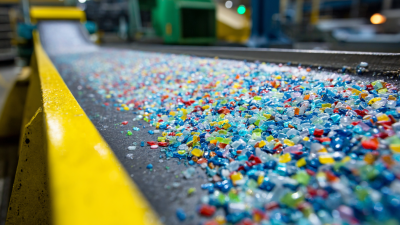
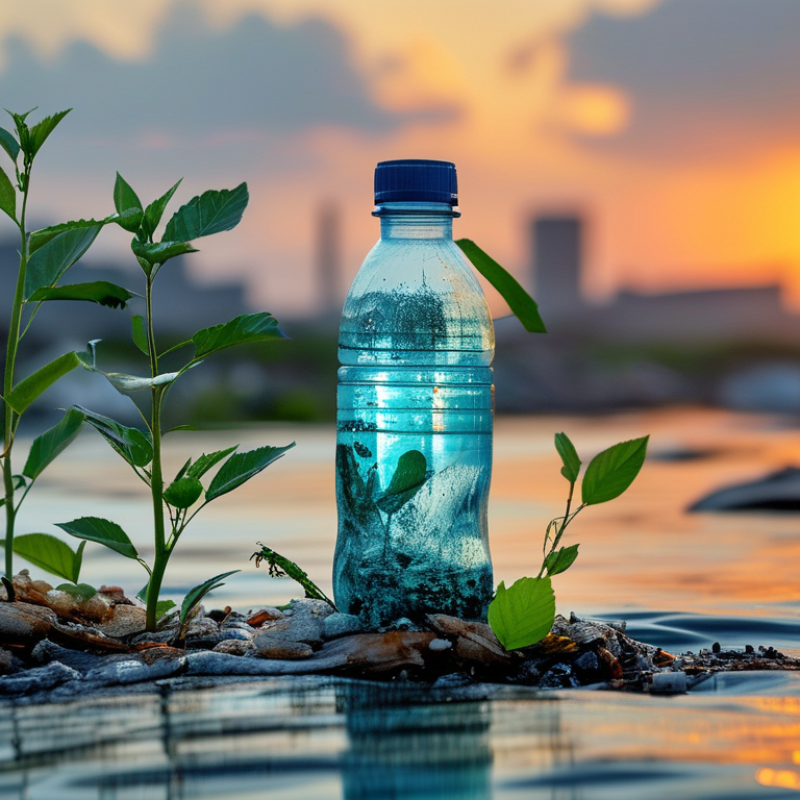
The use of recycled plastics in product sourcing is gaining momentum. Many industries are adopting these sustainable materials to reduce their environmental footprint. Recycled plastics help conserve resources and lower greenhouse gas emissions. They serve as effective alternatives to virgin plastics, enhancing the circular economy.
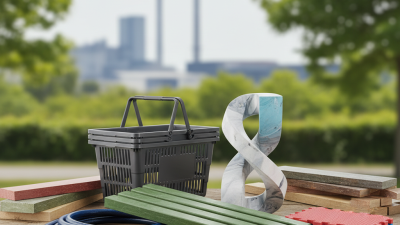
In 2026, a variety of products made from recycled plastics will likely see a surge. For example, everyday items like packaging and containers will incorporate recycled materials. Even larger products, such as furniture and construction materials, are increasingly manufactured from recycled plastics. The blend of functionality and sustainability is crucial. However, challenges remain in ensuring consistent quality and sourcing methods.
Not all recycled plastics are created equal. Variability in processing can lead to inconsistencies in strength and durability. This presents a dilemma for manufacturers who need reliable products. Additionally, increasing the volume of recycled plastics requires improved recycling systems and consumer participation. The industry must address these issues to fully leverage the benefits of sustainable sourcing using recycled plastics.
Top Recycled Plastic Products for Sustainable Sourcing in 2026
| Product Type |
Material Used |
Application |
Estimated Market Size (USD) |
Growth Rate (CAGR %) |
| Recycled PET Bottles |
Recycled Polyethylene Terephthalate (PET) |
Beverage Packaging |
1.2 Billion |
5.2% |
| Recycled HDPE Containers |
Recycled High-Density Polyethylene (HDPE) |
Household Products |
600 Million |
4.8% |
| Recycled PVC Products |
Recycled Polyvinyl Chloride (PVC) |
Construction Materials |
800 Million |
3.9% |
| Recycled Plastic Lumber |
Mixed Recycled Plastics |
Outdoor Furniture, Decking |
500 Million |
6.5% |
| Recycled Chip Bags |
Recycled Metalized Films |
Snacks Packaging |
250 Million |
7.3% |
Key Types of Recycled Plastics Used in Consumer Goods
The use of recycled plastics in consumer goods is becoming increasingly significant. Various types of recycled plastics are now essential for sustainable sourcing. These materials not only reduce waste but also offer a viable alternative to virgin plastics.
Polyethylene terephthalate (PET) is widely used in bottles and containers. It is a popular choice due to its strength and recyclability. High-density polyethylene (HDPE) is another common material. It is often found in household items like containers and cleaning products. Both types of plastics can be recycled multiple times, thereby reducing environmental impact.
Additionally, polyvinyl chloride (PVC) is gaining attention for its use in products like flooring and pipes. Although PVC recycling presents challenges, innovations in processing technology are showing promise. However, the need for proper sorting and contamination removal remains a concern. As companies strive for greener practices, understanding the specific properties and challenges of each type of recycled plastic is crucial. This knowledge can guide more effective and responsible sourcing decisions in the future.
Innovative Applications of Recycled Plastic in 2026
In 2026, the landscape of recycled plastic products is evolving with innovative applications across various industries. The global recycled plastic market is projected to reach $48 billion by 2026, driven by increasing environmental awareness and stringent regulations. One noteworthy advancement is the use of recycled PET in textile production. This material, sourced from post-consumer bottles, can reduce carbon emissions by up to 60% compared to virgin fibers. However, the challenge lies in maintaining quality and performance, which still requires ongoing research.
Another promising application involves 3D printing using recycled plastics. Reports indicate that approximately 1.5 million tons of plastic waste could be repurposed for 3D printing by 2026, enhancing both product design flexibility and sustainability. Yet, this method raises questions regarding material consistency and safety standards. Addressing these concerns is crucial for widespread adoption.
The building and construction sector is also adapting. Recycled plastics are emerging as alternatives for traditional construction materials. Using them can lead to lighter and more durable buildings. Still, the industry faces hurdles with building codes and acceptance of new materials. The journey toward sustainability with recycled plastics is full of opportunities and challenges that require collaborative efforts and continuous innovation.
Top Recycled Plastic Products for Sustainable Sourcing in 2026
Benefits of Using Recycled Plastics in Sustainable Practices
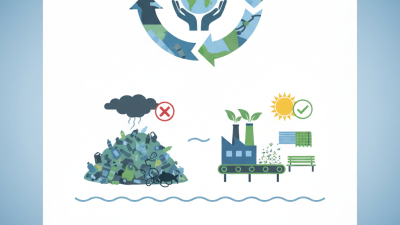
Using recycled plastics in sustainable practices offers numerous benefits. One significant advantage is the reduction of waste. By reprocessing plastic materials, we can divert them from landfills and oceans, minimizing environmental impact. This shift not only conserves resources but also lessens pollution. Moreover, manufactured products often require less energy compared to new plastics, highlighting a crucial benefit in combatting climate change.
Another point worth noting is the potential for innovative applications. Companies are exploring ways to make recycled plastics more durable and versatile. For example, recycled plastics can be used in construction materials, textiles, and packaging. This modernization invites creativity but also poses challenges. Not all recycled plastics have the same quality or strength, making it vital to develop proper standards.
Consumer awareness is growing, yet reluctance remains about the performance of recycled products. Many still associate recycled items with inferior quality. Education is key to changing these perceptions. By sharing success stories and demonstrating effectiveness, we can encourage broader adoption. The path to sustainability through recycled plastics is promising but requires collaboration and ongoing efforts.
Challenges and Solutions in Recycled Plastic Product Development
Recycled plastic products hold great promise for sustainable sourcing. However, the development of these products faces numerous challenges. One significant issue is the quality of recycled materials. Often, recycled plastics vary greatly in purity and composition. This variability can affect the performance and durability of end products. Manufacturers must find ways to enhance the quality of recycled plastics while maintaining cost-effectiveness.
Another challenge is the supply chain. Collecting, sorting, and processing recycled plastics is often inefficient. Many systems are not optimized for high recovery rates. Creating a streamlined supply chain can enhance the availability of quality materials for production. Collaboration across companies and industries can play a crucial role in establishing better processes.
Moreover, consumer perception poses a barrier. Many consumers still have concerns about the safety and reliability of recycled materials. Education and transparency can help address these worries. Manufacturers must emphasize the benefits of recycled products and demonstrate their effectiveness. Finding a balance between innovation and consumer trust will be essential as the market grows. Each of these challenges represents an opportunity for improvement and innovation in the field of recycled plastics.