Top Plastic Recycling Factory Manufacturers for Global Buyers?
Choosing a plastic recycling factory manufacturer is more than comparing machine prices. Global buyers need equipment that matches their actual feedstock, production targets, and operating conditions. A line designed for clean, uniform bottles may struggle with mixed films or heavily contaminated plastics. That sounds simple. It often isn’t.
This guide looks at manufacturers through practical questions: What materials can their systems process? How do washing, sorting, and pelletizing stages work together? What output quality can buyers verify in sample runs? Clear answers matter. So do installation support, spare-part access, training, and realistic energy and water requirements. A polished brochure cannot replace a factory visit, a technical review, or conversations with existing customers.
No single supplier suits every operation. A smaller processor may value flexible equipment and straightforward maintenance, while a high-volume plant may prioritize automation and consistent throughput. Claims about capacity should be checked against the material being processed, since test conditions can change the numbers. Some comparisons remain imperfect, too; published specifications rarely reveal every production challenge. Buyers should ask for references, inspect relevant projects, and request written details about performance assumptions before making a decision. The following overview introduces manufacturers and selection factors to help buyers build a more informed shortlist, not treat any ranking as a substitute for due diligence.
How Plastic Recycling Factory Manufacturers Serve Global Buyers
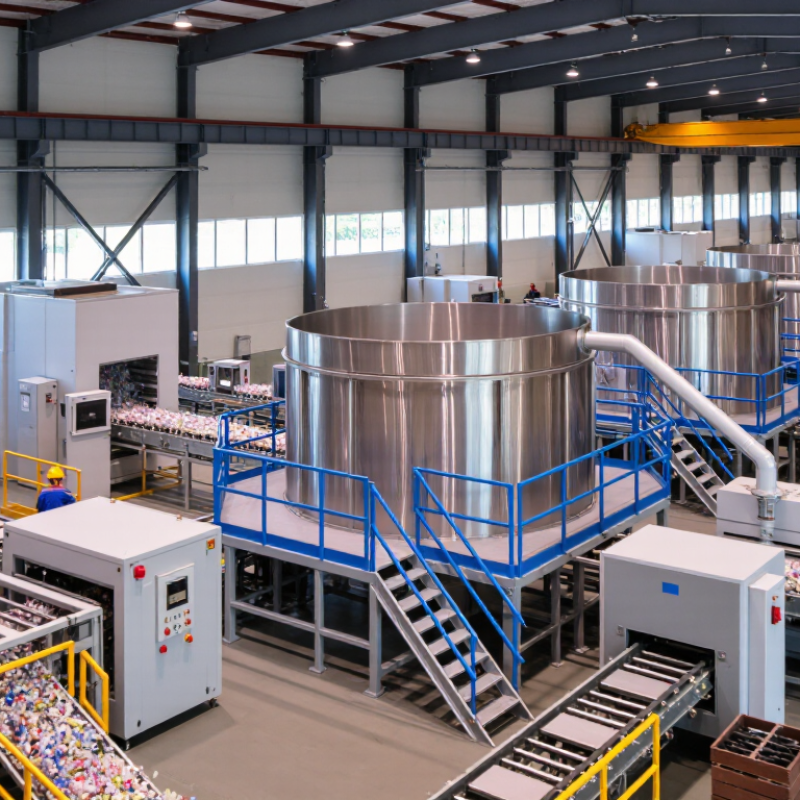
Global buyers need more than a recycling line with an impressive capacity rating. Experienced manufacturers help match sorting, washing, shredding, and pelletizing equipment to the buyer’s plastic types, contamination levels, and required output. They may also run sample trials, train operators, and supply wear parts. Small details matter. A wash line designed for clean factory scrap may struggle with mixed post-consumer flakes.
The OECD’s Global Plastics Outlook (2022) estimated that only 9% of plastic waste was recycled worldwide in 2019. That gap makes process reliability and realistic yield estimates essential. Buyers should request trial data for their own feedstock, including throughput, material loss, water and energy use, and pellet consistency. Ask how maintenance and troubleshooting work across time zones, too. UNEP’s 2023 report, Turning off the Tap, found that systemic changes could reduce plastic pollution by 80% by 2040; equipment alone cannot deliver that result. Even a well-designed line can disappoint when incoming material changes by season. This is easy to underestimate.
Top Plastic Recycling Factory Manufacturers for Global Buyers? - How Plastic Recycling Factory Manufacturers Serve Global Buyers
| Service Area | Typical Manufacturer Offering | Why It Matters to Global Buyers | What Buyers Should Verify |
|---|---|---|---|
| Feedstock assessment | Reviews the plastic type, form, contamination level, moisture, and expected input volume before recommending a process. | Equipment performance depends on the material being processed; a line designed for one feedstock may not suit another. | Provide representative samples and request a written list of accepted materials, feedstock limits, and any required pre-sorting. |
| Process and equipment design | Can supply process stages such as sorting, size reduction, washing, drying, conveying, and pelletizing, depending on the project. | A coordinated process can help buyers plan the factory layout, utility connections, material flow, and staffing. | Ask for a process flow diagram, equipment list, layout, utility requirements, and the assumptions used in the proposal. |
| Capacity planning | Provides a rated throughput for a specified configuration and operating condition. | Rated capacity is useful for comparing proposals, but actual output can vary with feedstock quality, operating hours, and process settings. | Confirm whether capacity is stated as input or finished output, and request the test conditions and expected operating range. |
| Product quality targets | Defines intended output characteristics, such as flake or pellet form, subject to the feedstock and process configuration. | Buyers need output suitable for their intended downstream use and local customer specifications. | Agree on measurable acceptance criteria, sampling methods, and test procedures before equipment acceptance. |
| Automation and controls | May include control panels, sensors, interlocks, and monitoring features appropriate to the selected line. | Control design affects operation, troubleshooting, and the level of operator training required. | Check control documentation, language options, safety functions, spare-part availability, and remote-support arrangements. |
| Installation and commissioning | May provide installation guidance, commissioning support, and operator instruction; the scope differs by supplier and contract. | Clear responsibility for setup and testing helps buyers coordinate local contractors, utilities, and site preparation. | Specify who handles installation, travel, site readiness, commissioning tests, training, and any associated costs. |
| Export and logistics support | Can prepare shipment information and coordinate packaging or dispatch according to the agreed delivery terms. | International equipment shipments involve transport planning, customs documentation, and coordination at the destination. | Confirm delivery terms, packing details, shipping documents, insurance responsibilities, and import requirements with the relevant parties. |
| Compliance and safety documentation | May supply technical files, operating instructions, electrical information, and safety documentation for the equipment supplied. | Applicable requirements depend on the installation location, equipment design, and local regulations. | Identify the destination market’s requirements and verify that the proposed documentation and equipment configuration meet them. |
| After-sales service and spare parts | Service arrangements may include troubleshooting, maintenance guidance, replacement parts, and technical support. | Support access and parts lead times can affect downtime, particularly when the facility is far from the manufacturer. | Request a written service scope, response channels, recommended spare-parts list, warranty terms, and parts lead times. |
| Project and commercial terms | Provides a quotation defining the equipment scope, exclusions, payment milestones, delivery schedule, and warranty conditions. | Comparable, clearly scoped quotations make it easier to evaluate total project responsibilities and costs. | Review the full contract, including acceptance tests, change procedures, delivery obligations, and remedies for delays or non-conformance. |
Offerings and performance vary by equipment configuration, feedstock, operating conditions, project scope, and destination-market requirements. Buyers should confirm all specifications and obligations in the supplier’s written proposal and contract.
Related Posts
-
Why Is Plastic Waste Recycling Important for Global Buyers?
-
Top 10 Plastic Waste Recycling Companies for Global Buyers?
-
What Is Plastic Waste Recycling and How Does It Work?
-
10 Best Plastic Recycling Factories for Global Buyers
-
What is a Plastic Recycling Factory and How Does it Work?
-

Why Choose Furniture Made from Recycled Plastic for Your Business?